Level 2 Charger Installation
The 240-volt upgrade that takes charging from an overnight trickle to a full battery by morning.
Level 2 is the standard residential target because it restores a typical day of driving in a few hours instead of a day and a half. The work centres on the circuit: breaker space, wire run, receptacle or hardwired connection, and settings matched to the circuit's rating.
The 240-volt upgrade that takes charging from an overnight trickle to a full battery by morning. Scope varies by property: a single-family garage, a condominium with an association in the loop, and a workplace car park are three different projects that happen to share equipment. The pages below — and the city pages that carry your utility, law and housing facts — are how we keep the advice specific instead of generic.
How it works
1. Tell us the job
Service, city and ZIP, property type, and anything you already know — panel size, where the car parks, whether an HOA is involved. Two minutes, no obligation.
2. Local installers respond
Licensed electricians and EV-installer companies who cover your city look over the request and contact you directly to arrange a site visit.
3. Site visit and written quote
The installer checks the panel, measures the wire run, confirms placement and permits, and quotes the job in writing. The local pages on this site exist so you can judge that quote against your utility, your law and your housing stock.
4. Install, inspection, charging
Work is done under permit where required, inspected, and the station is configured to the circuit it sits on. You keep the paperwork; the car charges overnight.
What decides the shape of the job
The panel. A charger is a continuous load, sized at 125% of its draw. Whether your service has honest room for that — or needs a panel upgrade or a load-management device — is the first technical question, and it is answered by a load calculation, not a guess.
The run. Distance and route from panel to parking decide materials and labour: through a shared wall is one job; across a finished basement or a detached garage is another.
The property. Owner-occupied houses are the simple case. Condos, HOA communities and rentals add an approval layer; in the states with right-to-charge laws that layer has statutory rules, and our city pages state your state's position plainly — including where no such law exists.
The utility. Time-of-use rates decide what charging costs you month to month, and some utilities currently fund part of the equipment or the wiring. City pages carry the current, sourced position for your metro.

The technical core, in plain terms
Load calculation first. The National Electrical Code treats EV charging as a continuous load — it runs for three hours or more at full draw — so the circuit is sized at 125% of the charger's output, and the service as a whole is checked with an NEC Article 220 calculation before anyone promises a circuit size. That calculation, done on your actual panel and your actual other loads, is the document the whole job hangs from. When an installer skips it, every later number is a guess wearing a uniform.
Equipment matched to the circuit, not the brochure. A charging station's headline rate is a ceiling, not a setting: the station is configured — by switch, dial or software — to the circuit it actually sits on. A 48-amp station on a 60-amp circuit and the same station dialled to 32 amps on a 40-amp circuit are both correct installations; the sin is a mismatch, in either direction. This is also why the car rarely gets a vote: most vehicles accept Level 2 power at rates the residential circuits above already cover, and charging speed at home is governed by the circuit and the station's configuration, not by the badge on the car.
Protection and placement. Modern code cycles require ground-fault protection for the circuit — increasingly delivered by the breaker — and the installation's permanence is why the work is permitted and inspected rather than treated as an appliance drop-off. Placement is engineering too: cable reach to the charge port in the car's real parking position, clearance from water and impact, and ventilation where the climate demands it. A good installer discusses all three before the drill comes out, because all three are expensive to revisit after the inspection sticker is on.
Level 2 Charger Installation: the job, step by step
A Level 2 job begins with the driving pattern, not the equipment catalogue. Daily miles and parked hours set the charge rate the household needs: forty miles a day replenished over ten parked hours asks little of a circuit, while a hundred-mile commute on a six-hour window asks for the larger end of residential charging. The installer checks the vehicle's onboard acceptance rate in the same conversation, because the car caps what it can take from AC power — a circuit beyond that cap buys capacity the current car cannot use.
The circuit is then designed around the chosen rate: breaker and conductor sizing under the continuous-load rule, the route to the parking position, and the connection type. Plug-in through a heavy-duty receptacle suits households that value swapping the station later; hardwired suits higher rates and outdoor positions. Either way the station is configured — by internal switch, dial or software setting — to the circuit it lands on, and that configuration is part of the inspection, not an afterthought.
Commissioning closes the job: the station is tested under real load with the vehicle connected, the charge rate verified against the circuit's setting, scheduling set for the household's rate window, and the panel schedule updated. Where two vehicles are in the picture, this is also when power sharing is configured, so the pair of stations divides one circuit's capacity between them instead of queueing for it.
Code, capacity and the details installers check
Residential Level 2 lives on a ladder of standard circuits — 20, 30, 40, 50 and 60 amps — delivering configured charge rates of 16, 24, 32, 40 and 48 amps respectively. The relationship is fixed by NEC 625.42: a continuous load is supplied at 125 percent of its draw, so the charge rate is always 80 percent of the circuit's rating. When an installer quotes a circuit, the honest translation is the second number, and a station configured above its circuit's 80 percent line is a defect the inspection is there to catch.
Two further code provisions matter in real houses. Under NEC 220.57, a charging load enters the service calculation at no less than 7,200 volt-amperes, so even a modest circuit is planned as a serious load. And where an energy management system limits the charger, NEC 220.70 lets the calculation use the managed value — the provision that lets a house whose arithmetic fails at 48 amps succeed at a managed 32, with the charger taking the home's spare capacity moment by moment instead of a fixed slice it may not have.
Sharing is codified too. Multiple stations on one feeder or branch circuit are permitted when a listed energy management or power-sharing arrangement controls the combined load to the circuit's rating. The practical consequence: a two-car household rarely needs two full circuits. It needs one honest calculation, equipment listed for sharing, and configuration done by someone who has read the manual — all of which the permit and inspection then verify.

What shapes the scope of this job
Rate choice and panel headroom interact, and together they set the scope. A 200-amp service with visible margin usually absorbs any residential circuit directly. A 100-amp service pushes the design toward the lower rungs of the ladder or toward load management, and the choice between a smaller circuit today and capacity work for tomorrow is a planning conversation — the conduit and route can be sized for the larger future circuit even when the first station runs smaller.
Distance compounds at higher rates: heavier conductors over a long run are a material share of the job, and voltage drop on very long runs can push conductor size up a step beyond the minimum. Outdoor and detached-garage runs add burial depth, conduit type and weatherproofing decisions. The last shaper is the vehicle's side of the wall — a charge port at the far end of a long car in a deep garage can move the station, and with it the run, by the length of the vehicle.
Rate, seasons and the second car
Seasons move the requirement in both directions. Winter takes range from the battery and slows its acceptance of charge, so the same commute consumes more of the overnight window; summer returns the margin. Households choosing a circuit size in spring should run the arithmetic on the winter figures — the install that is generous in June and adequate in January is the correct size, while the one sized to June alone teaches its lesson in the cold. Installers in cold metros do this instinctively; the question is worth asking out loud in mild ones.
The shared-circuit household deserves one more paragraph of precision. Power sharing divides a fixed capacity between vehicles by rule — halves when both charge, the whole to whichever is alone, priority where the equipment allows it. The behaviour to understand is the full-night outcome: two cars that each need half a battery are both served by morning, because the window is long and their combined need fits inside the circuit's night. The arrangement fails only when both vehicles routinely arrive empty and leave early — the pattern that genuinely needs two circuits.
Rate decisions also age. The vehicle that caps today's useful rate is not the vehicle of five years from now, and acceptance rates across the fleet have one direction of travel. The circuit that looks oversized against the current car is frequently the circuit the next car would have chosen — another reason the conduit and route, the parts that cannot be re-decided cheaply, are sized for the top of the residential ladder even when the first station is configured lower.
Three properties, three different jobs
The straightforward house. Owner-occupied, panel in or near the garage, car parked inside or on the adjacent driveway. This is the install the industry is organised around: one calculation, one circuit, one inspection, charging the same week in most metros.
The attached home with an association. Townhouses, condos and HOA suburbs add the approval layer — and the layer is lawful, bounded and navigable. In right-to-charge states the statute sets the terms; elsewhere the application package does. Either way, the electrical work itself is identical once approval lands; what changes is the calendar and the paperwork, and both belong in the quote from the start.
The property that earns. Rentals, workplaces and multifamily buildings turn the same equipment into an asset decision: who pays for the electricity, how access is controlled, how the cost is recovered, and how the installation scales from the first station to the tenth. The engineering is a superset of the house job — load management stops being optional — and the planning questions in our city and service pages are written for exactly this case.

Where this service is booked most
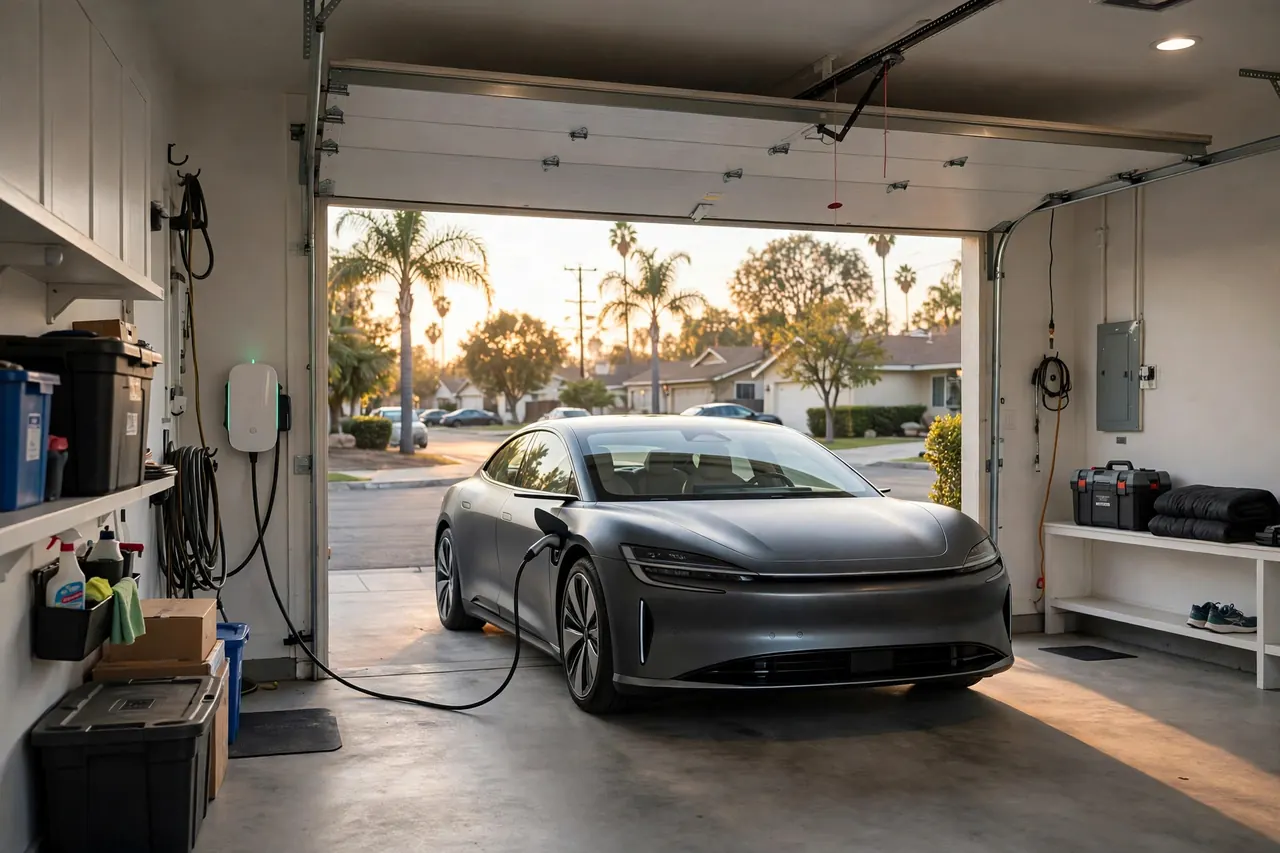 Los Angeles, CA
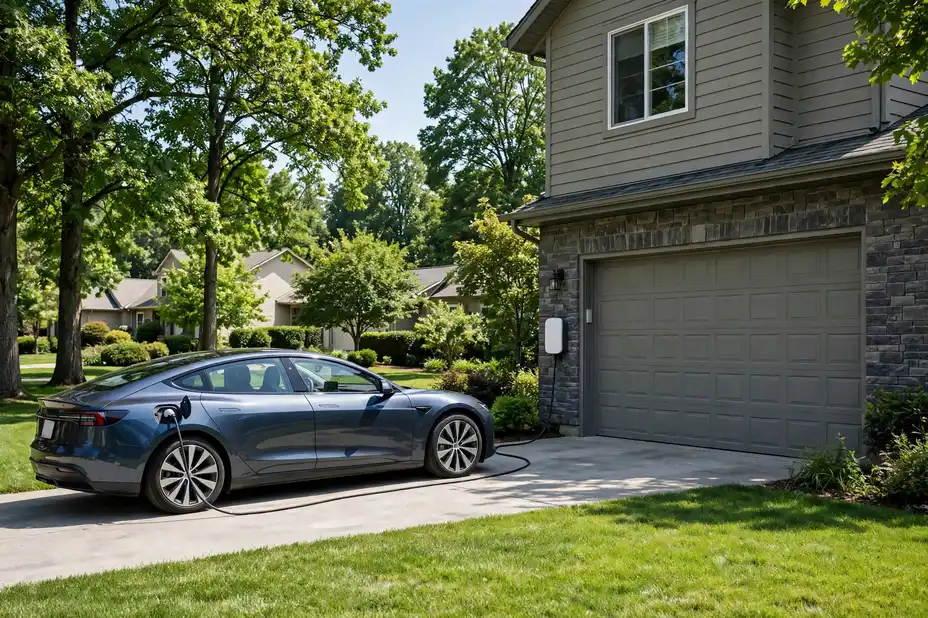 San Francisco, CA
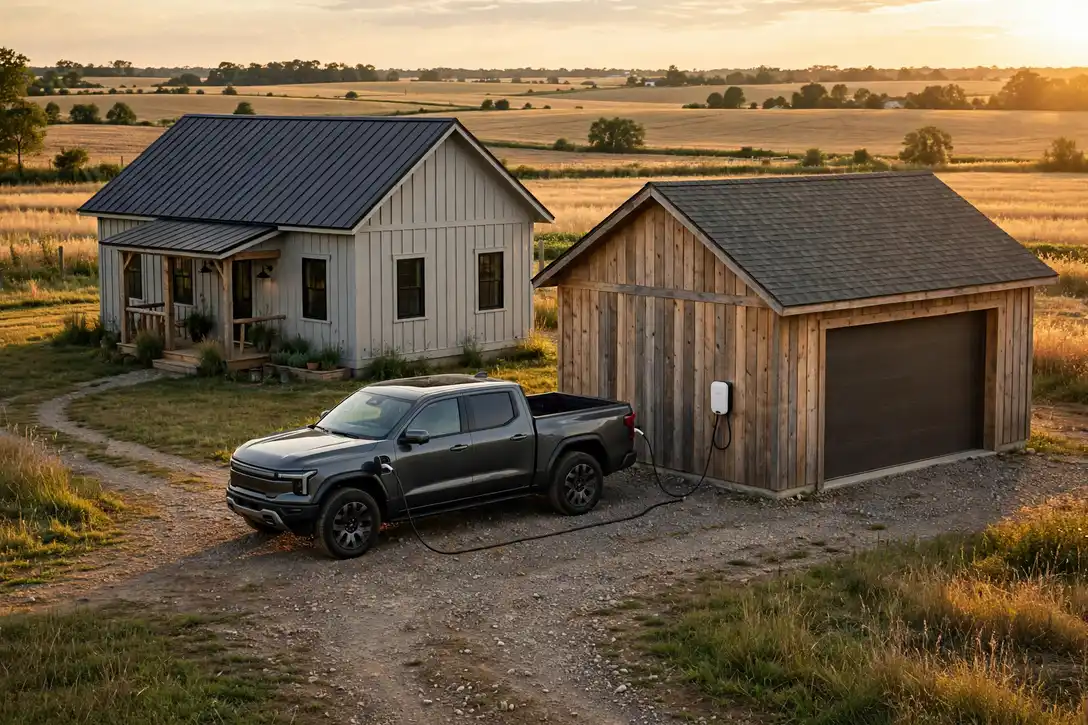 New York, NY
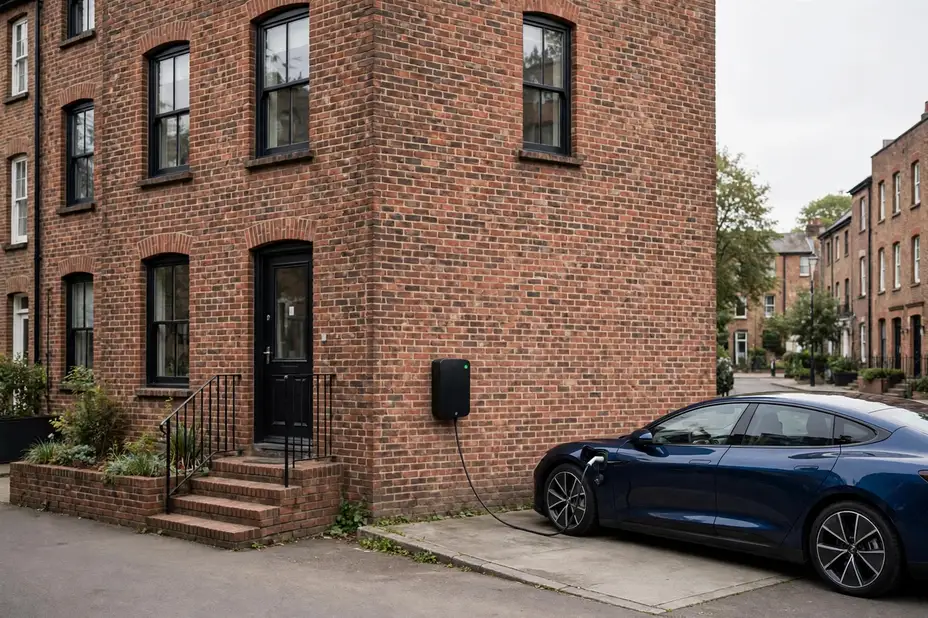 Seattle, WA
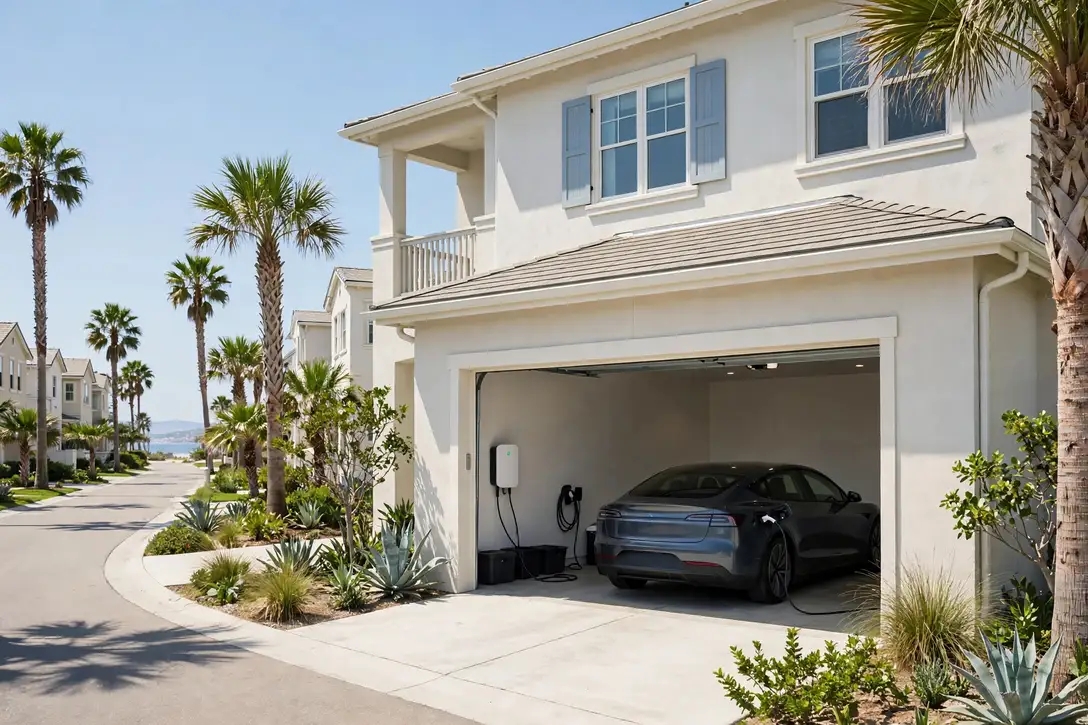 Miami, FL
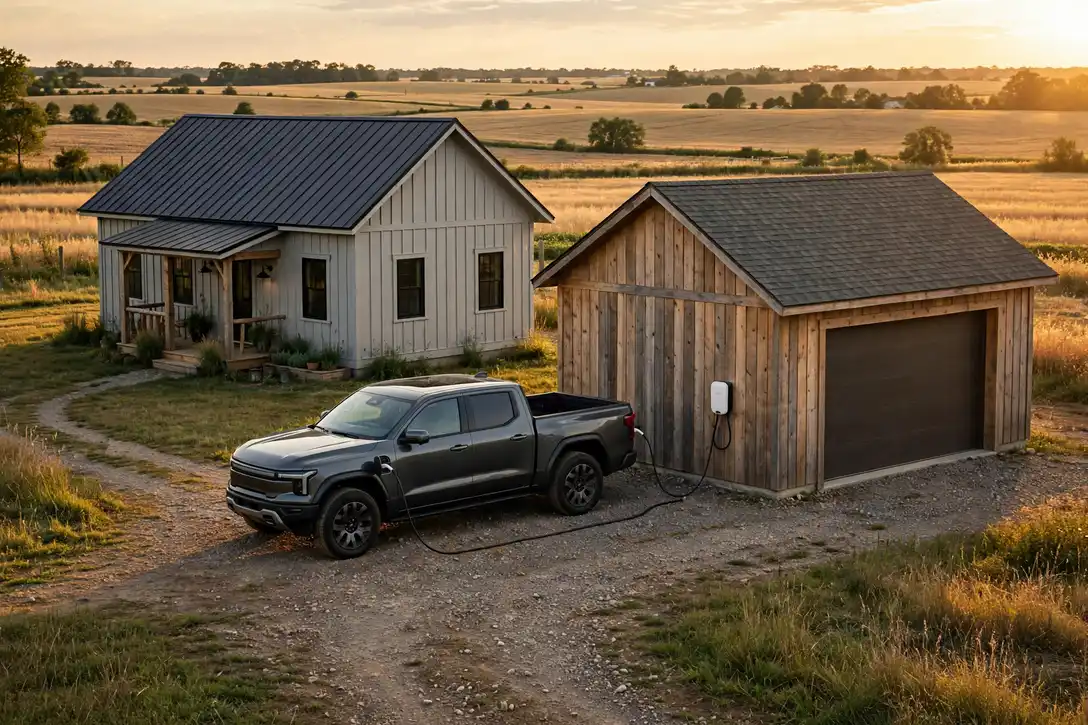 San Diego, CA
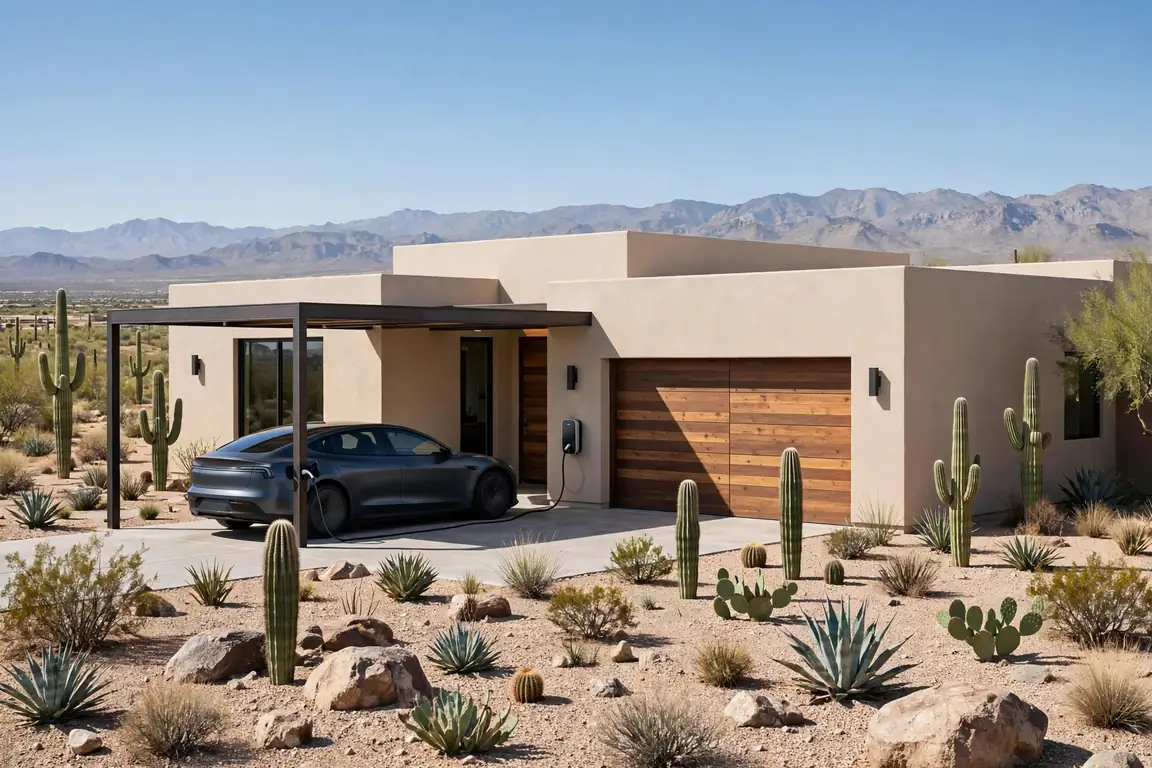 Phoenix, AZ
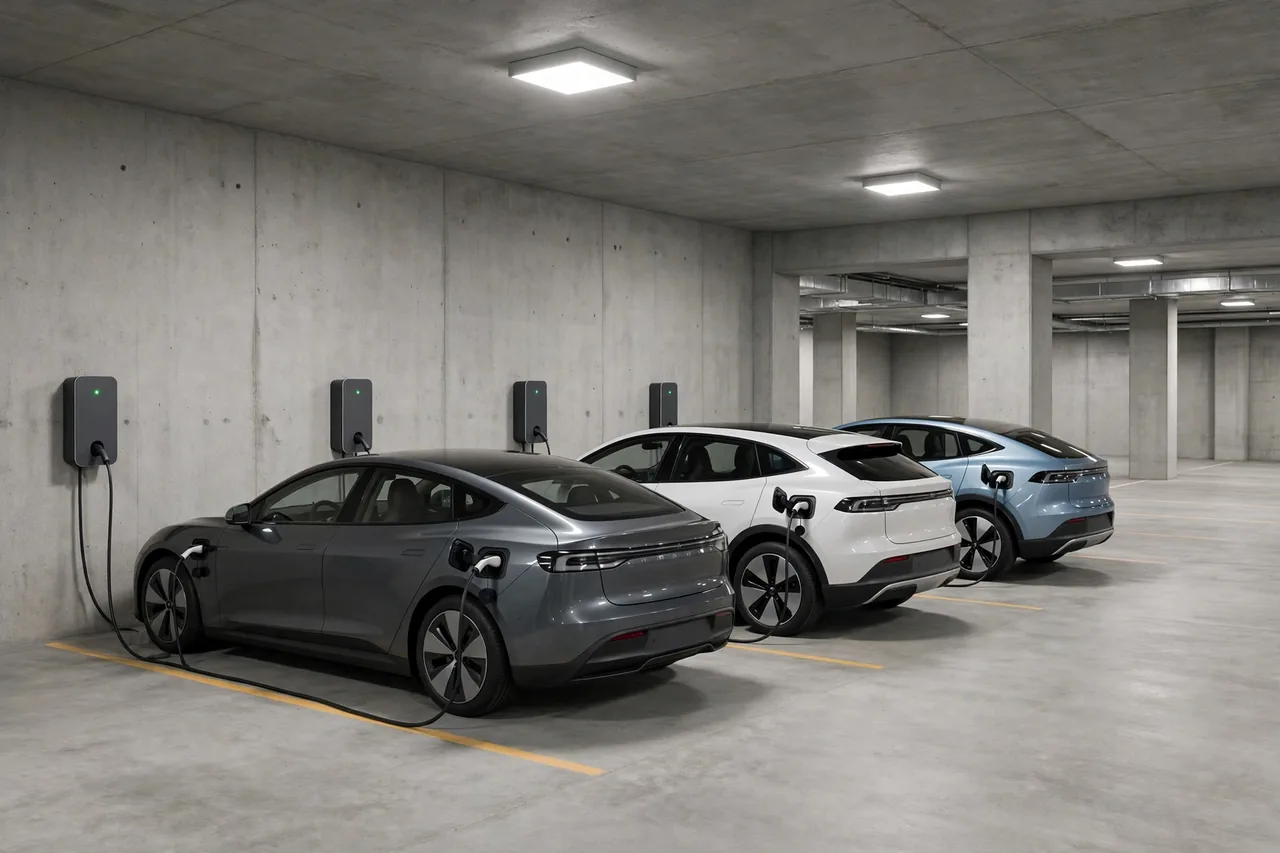 Atlanta, GA
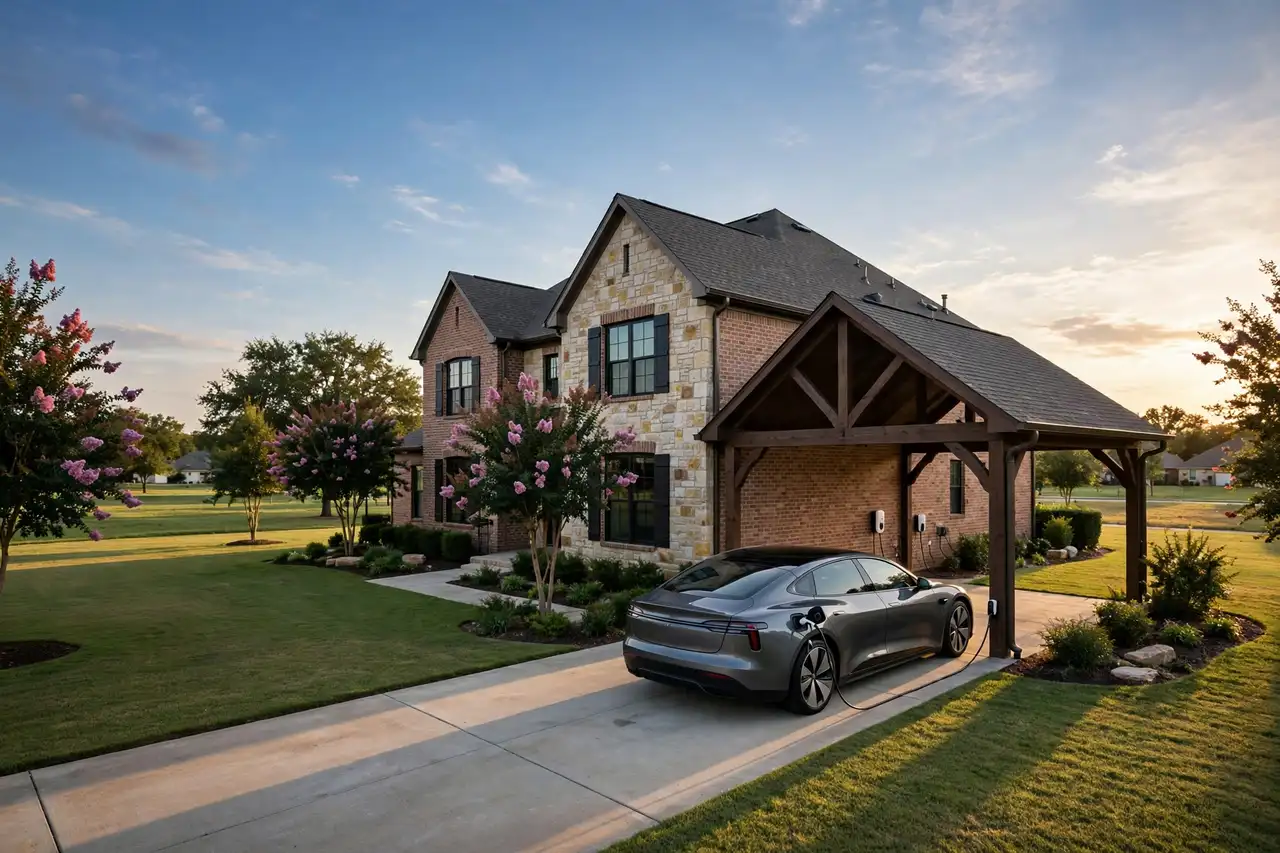 Dallas, TX
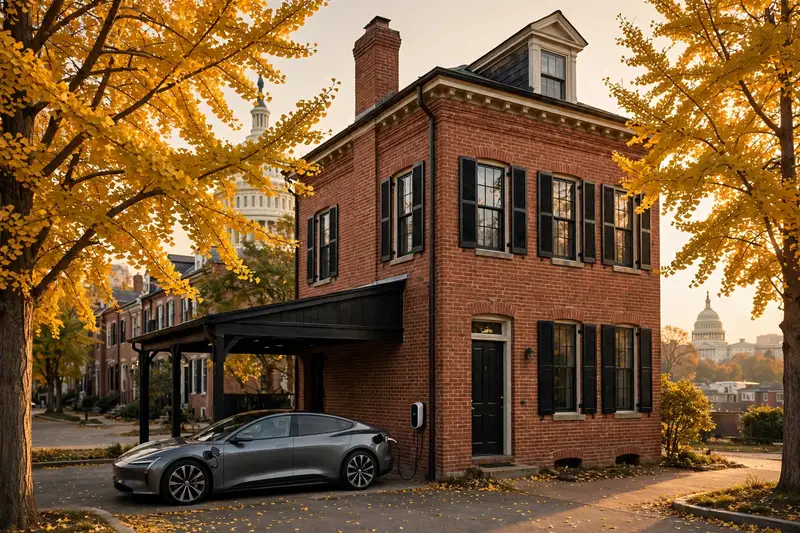 Washington, DC
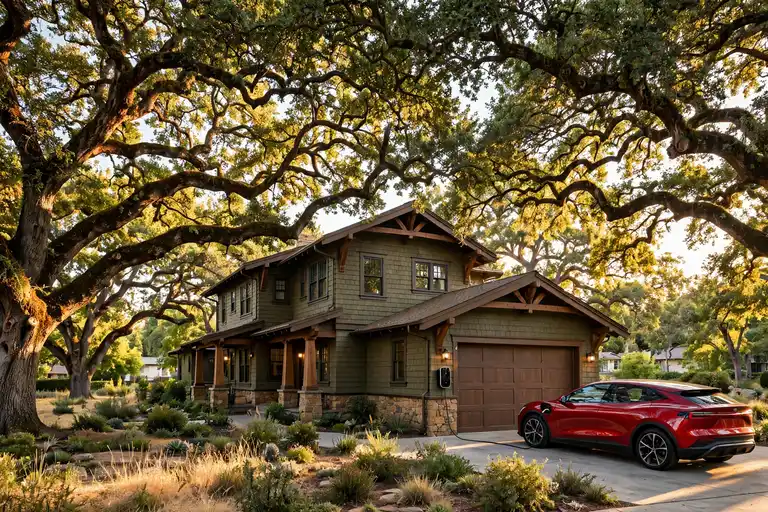 Sacramento, CA
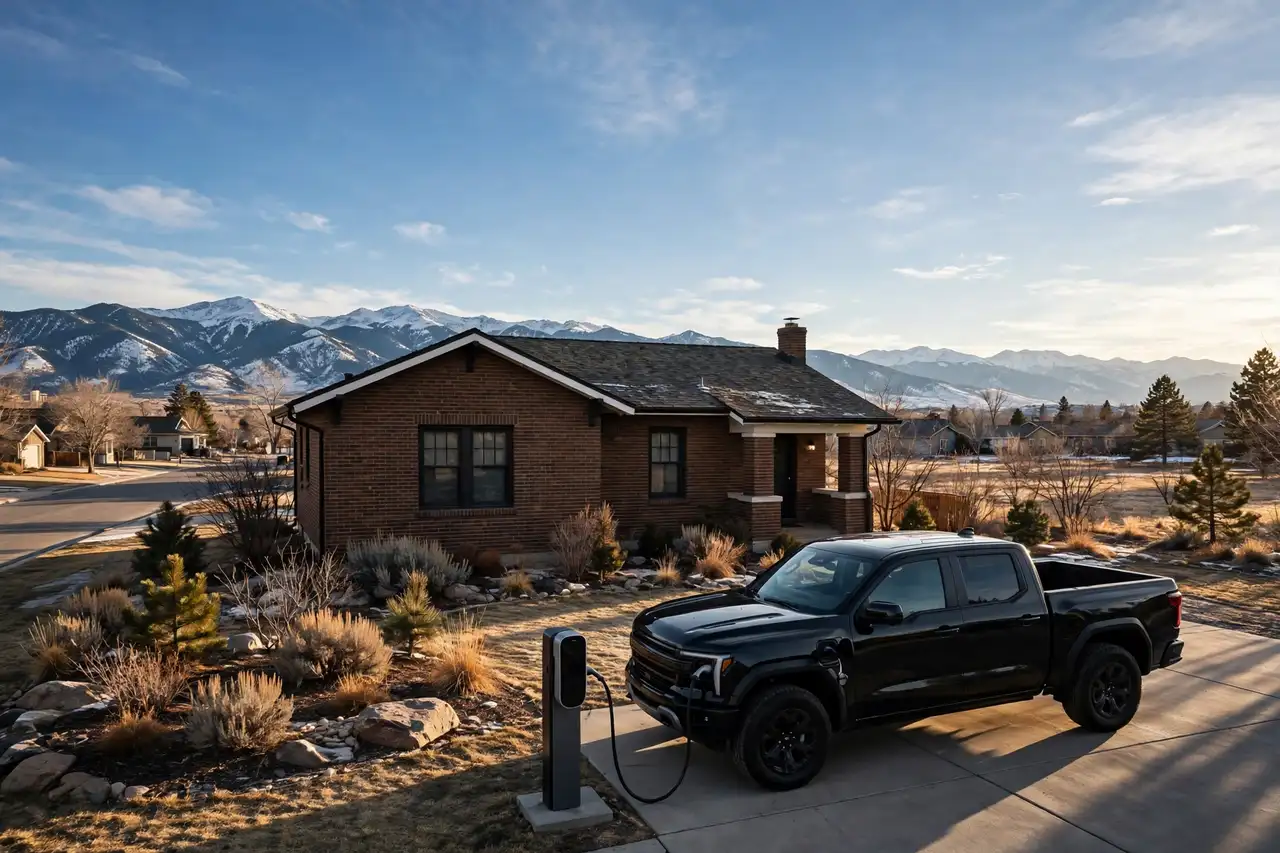 Denver, CO
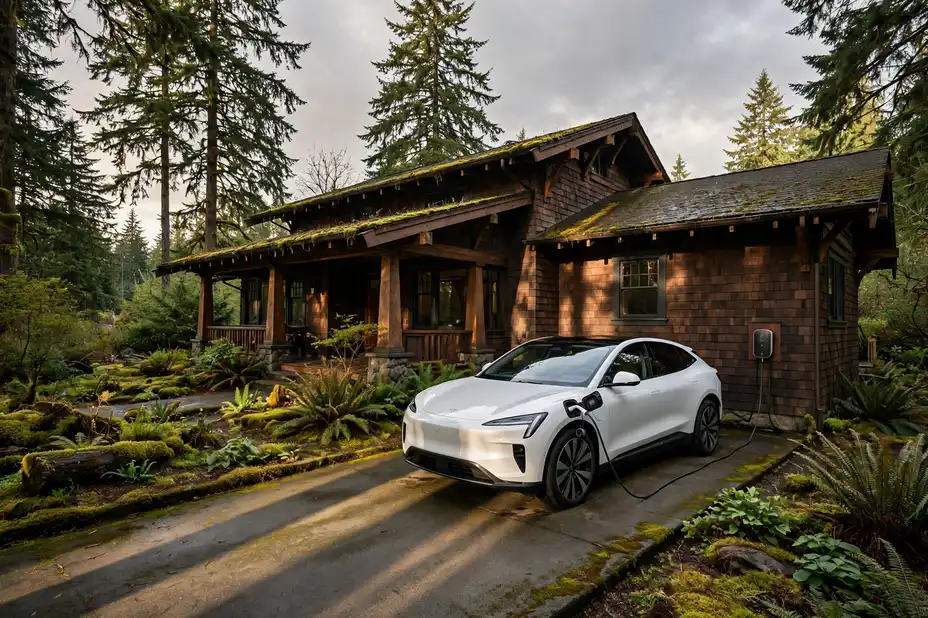 Portland, OR
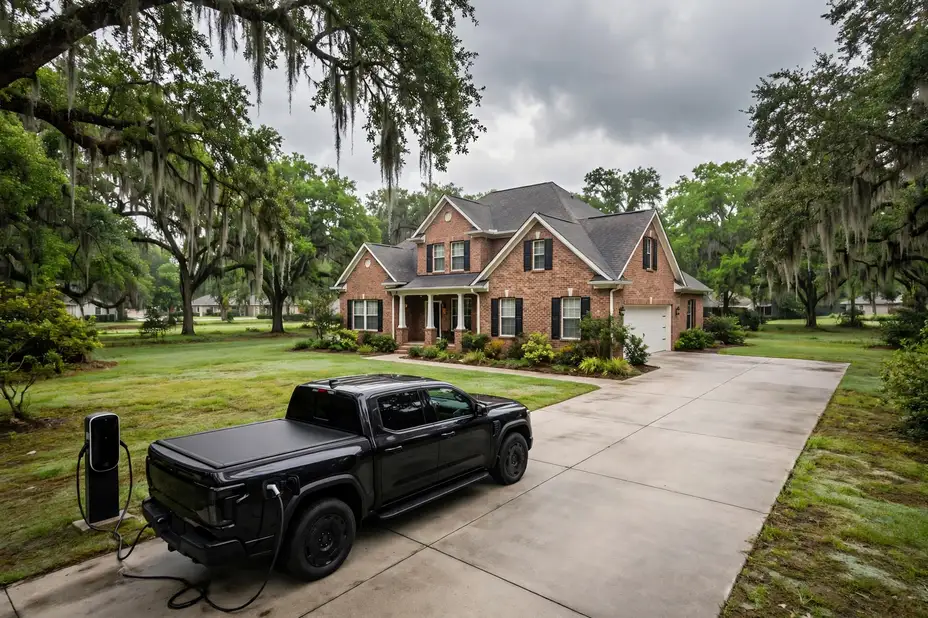 Houston, TX
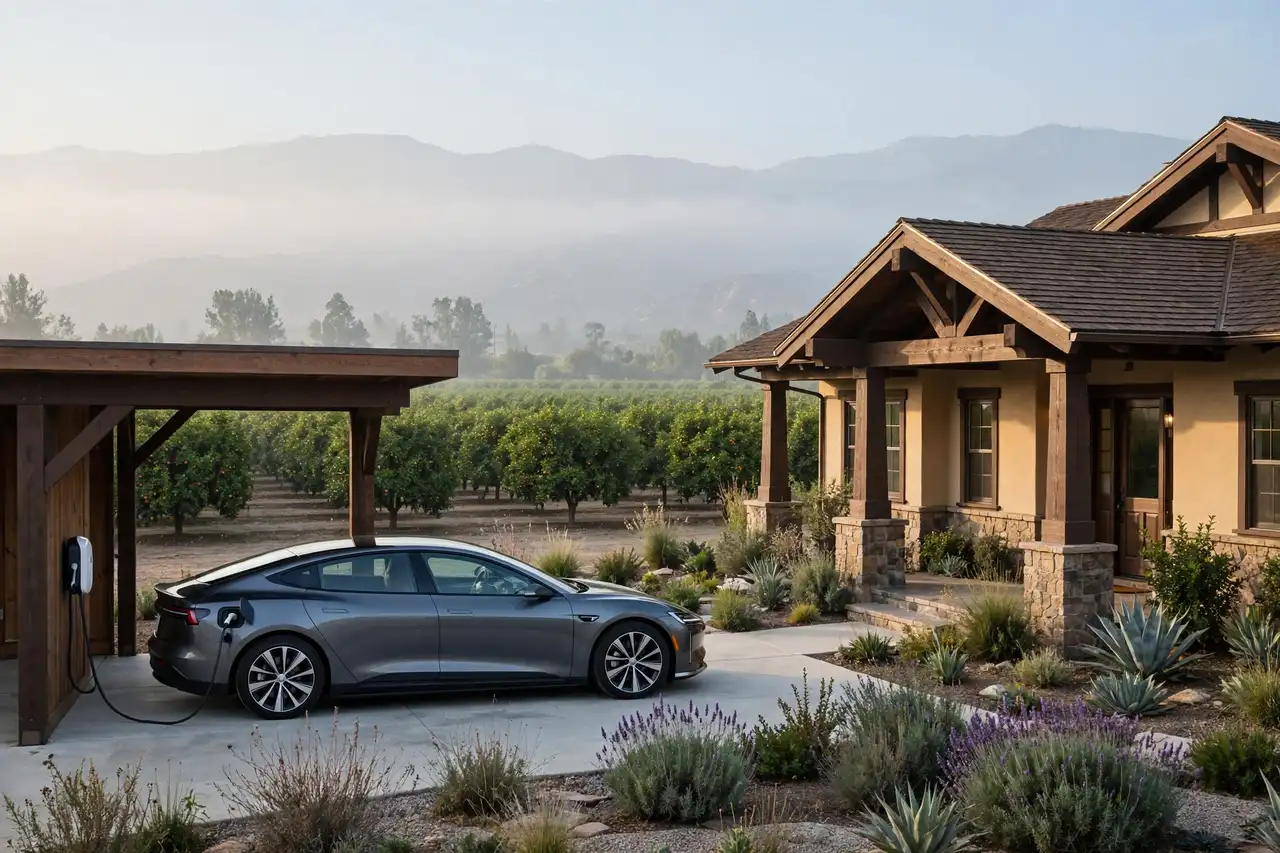 Riverside, CA
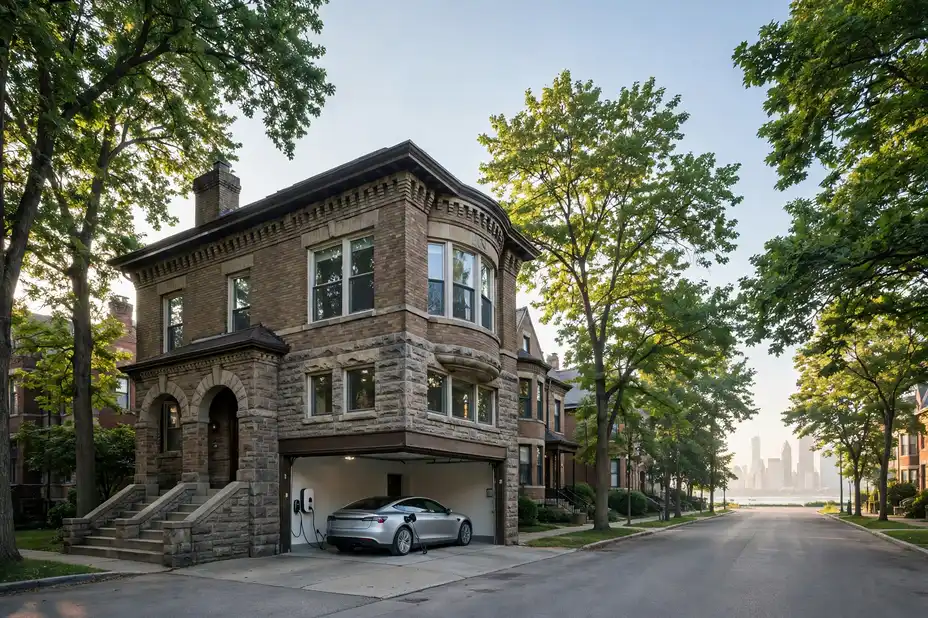 Chicago, IL
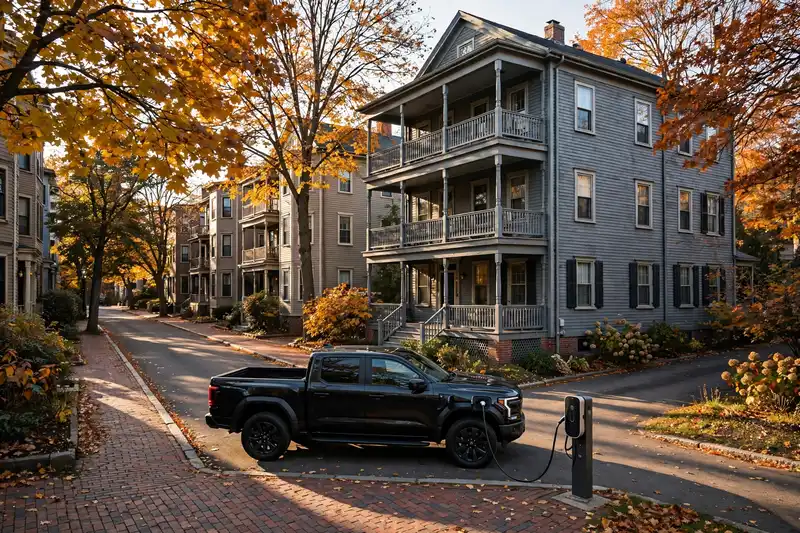 Boston, MA
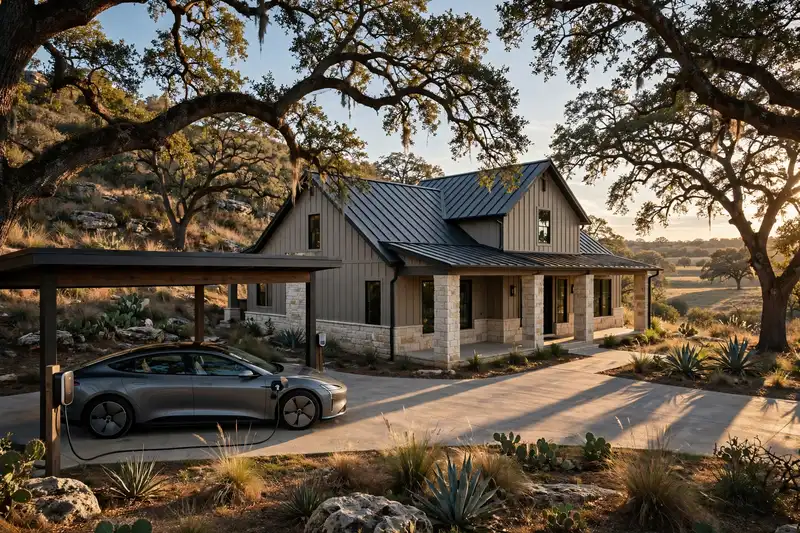 Austin, TX
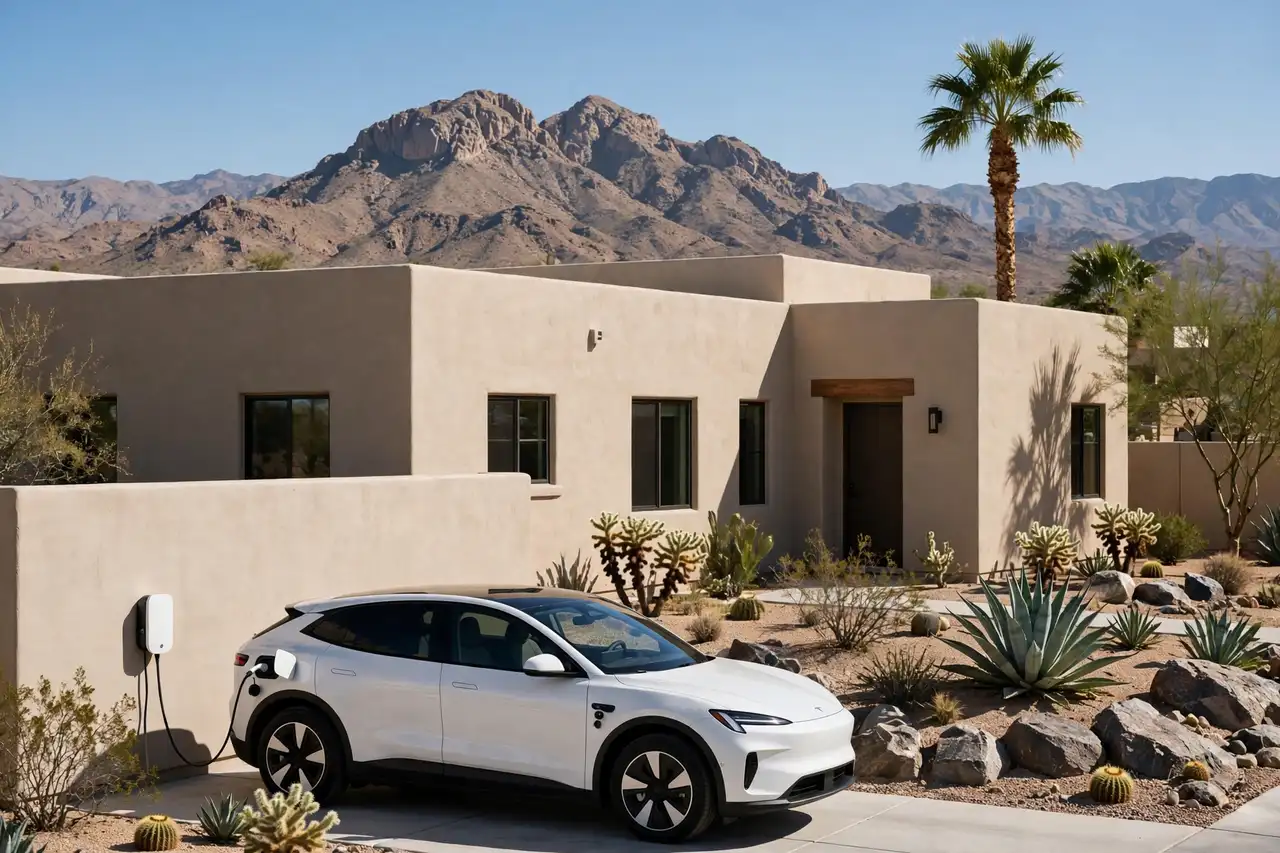 Las Vegas, NV
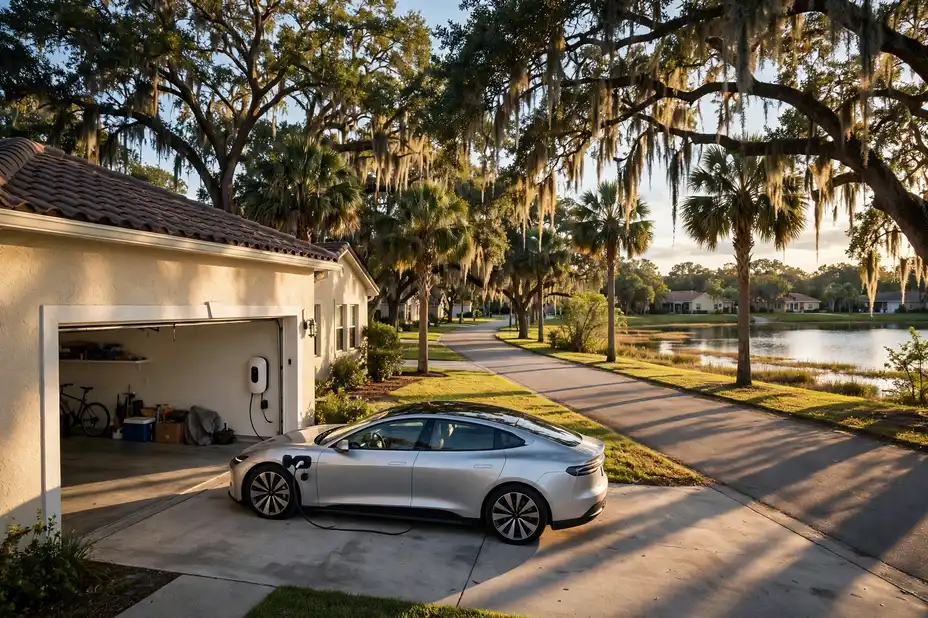 Orlando, FL
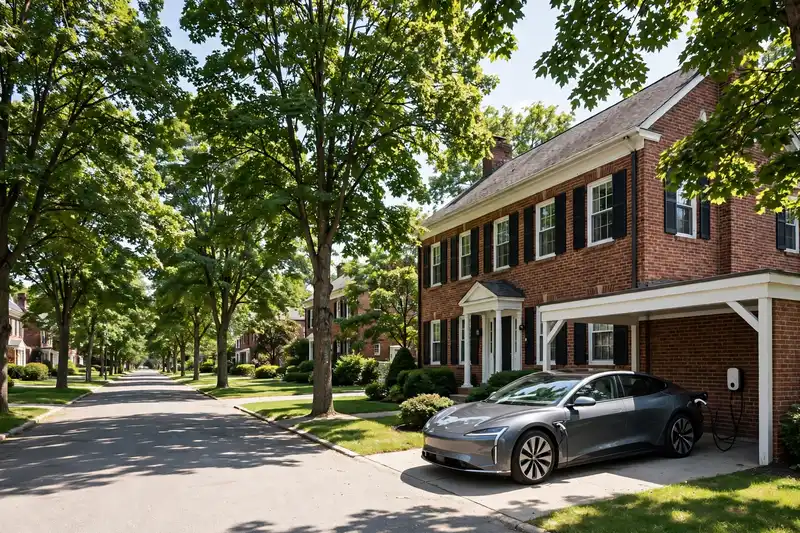 Detroit, MI
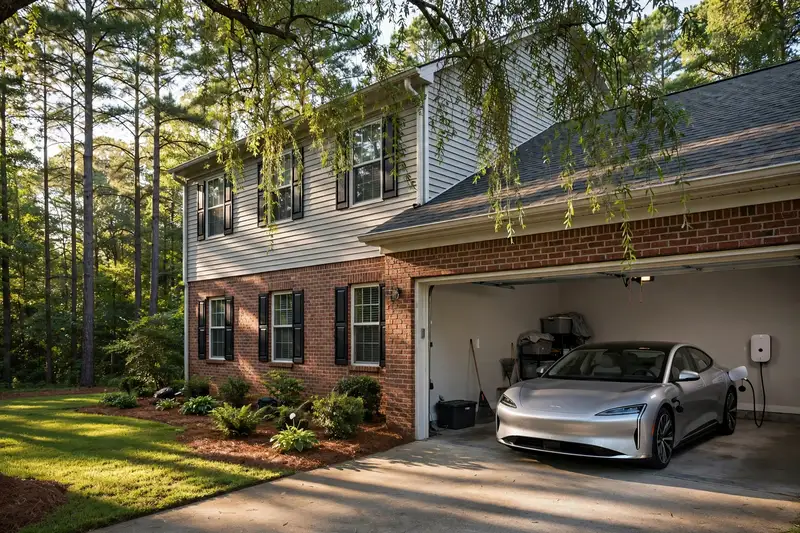 Charlotte, NC
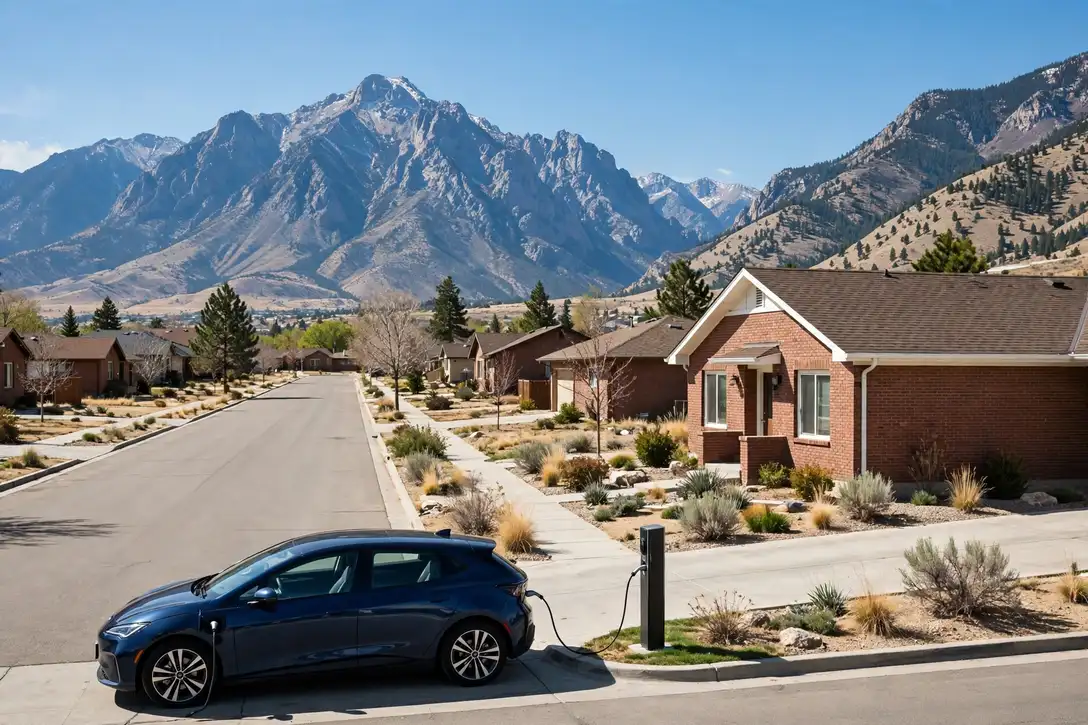 Salt Lake City, UT
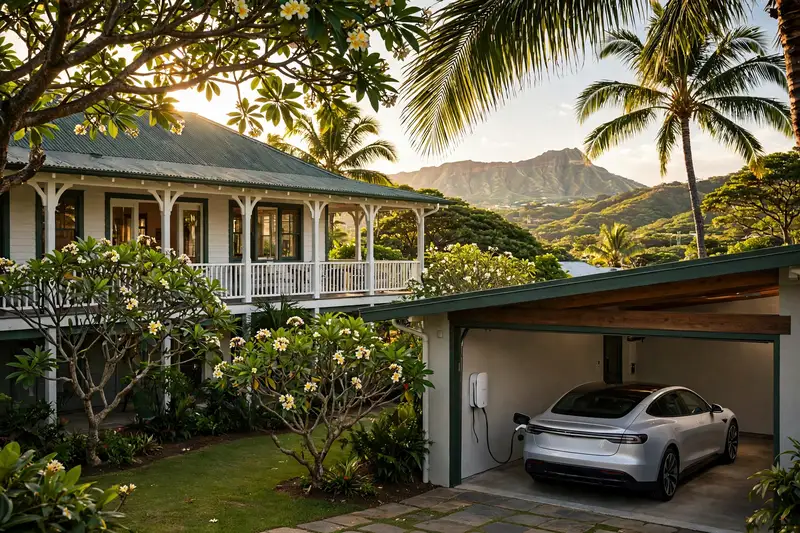 Honolulu, HI
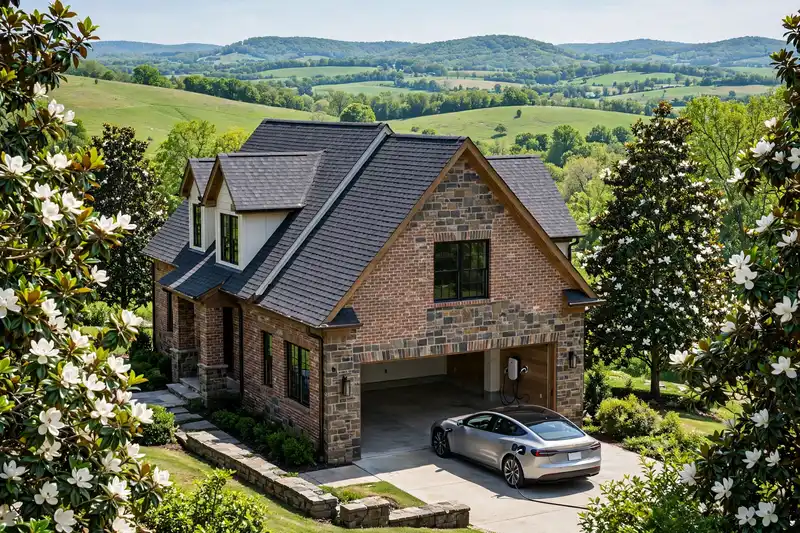 Nashville, TN
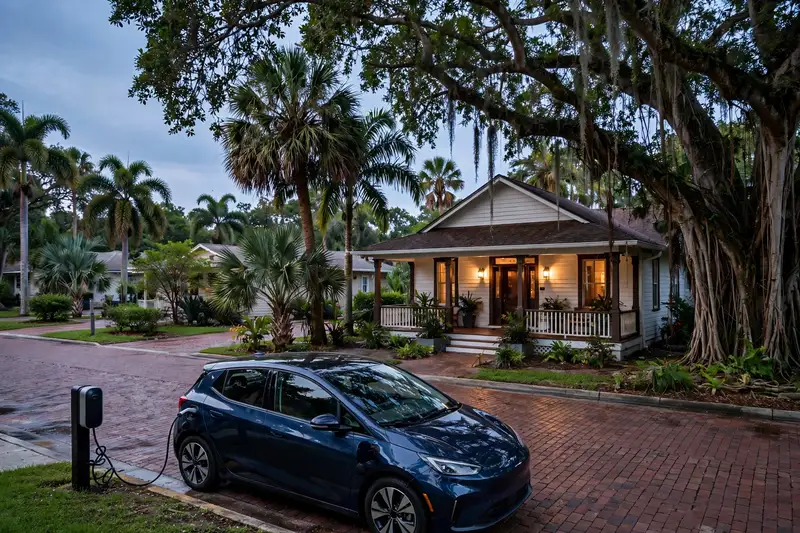 Tampa, FL
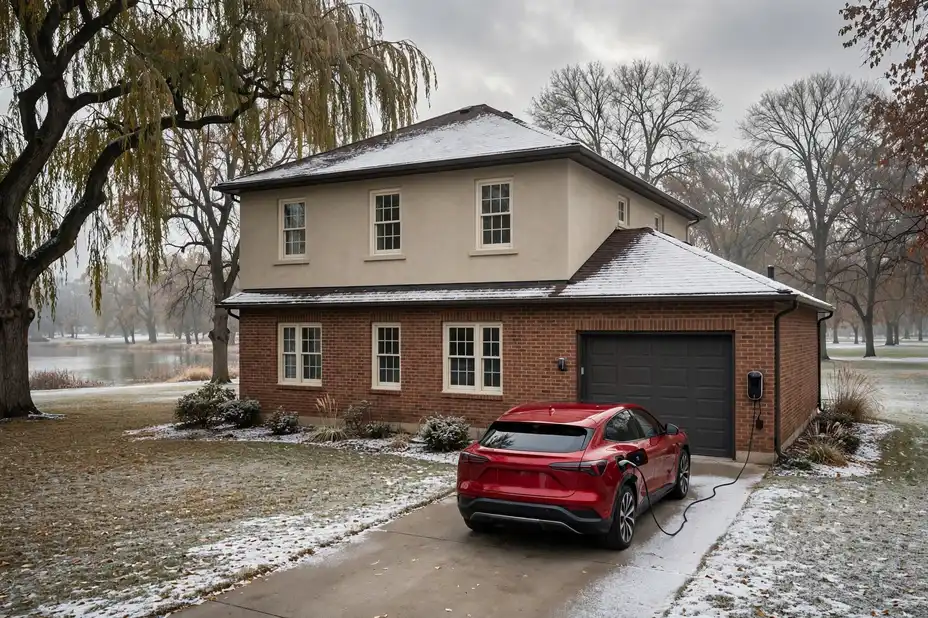 Minneapolis, MN
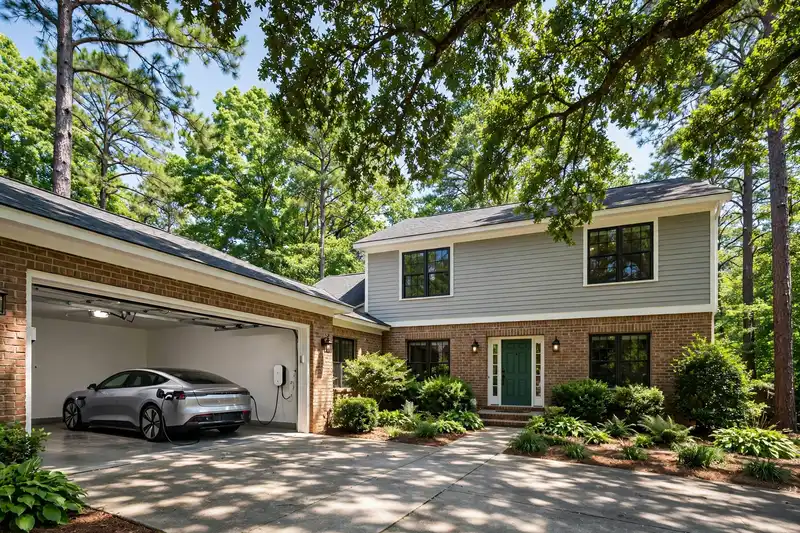 Raleigh, NC
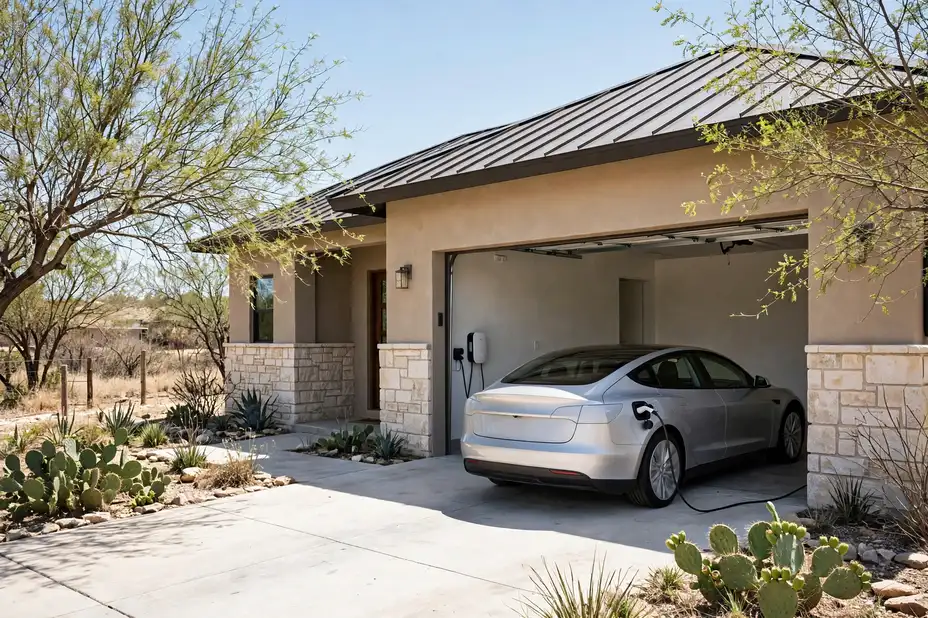 San Antonio, TX
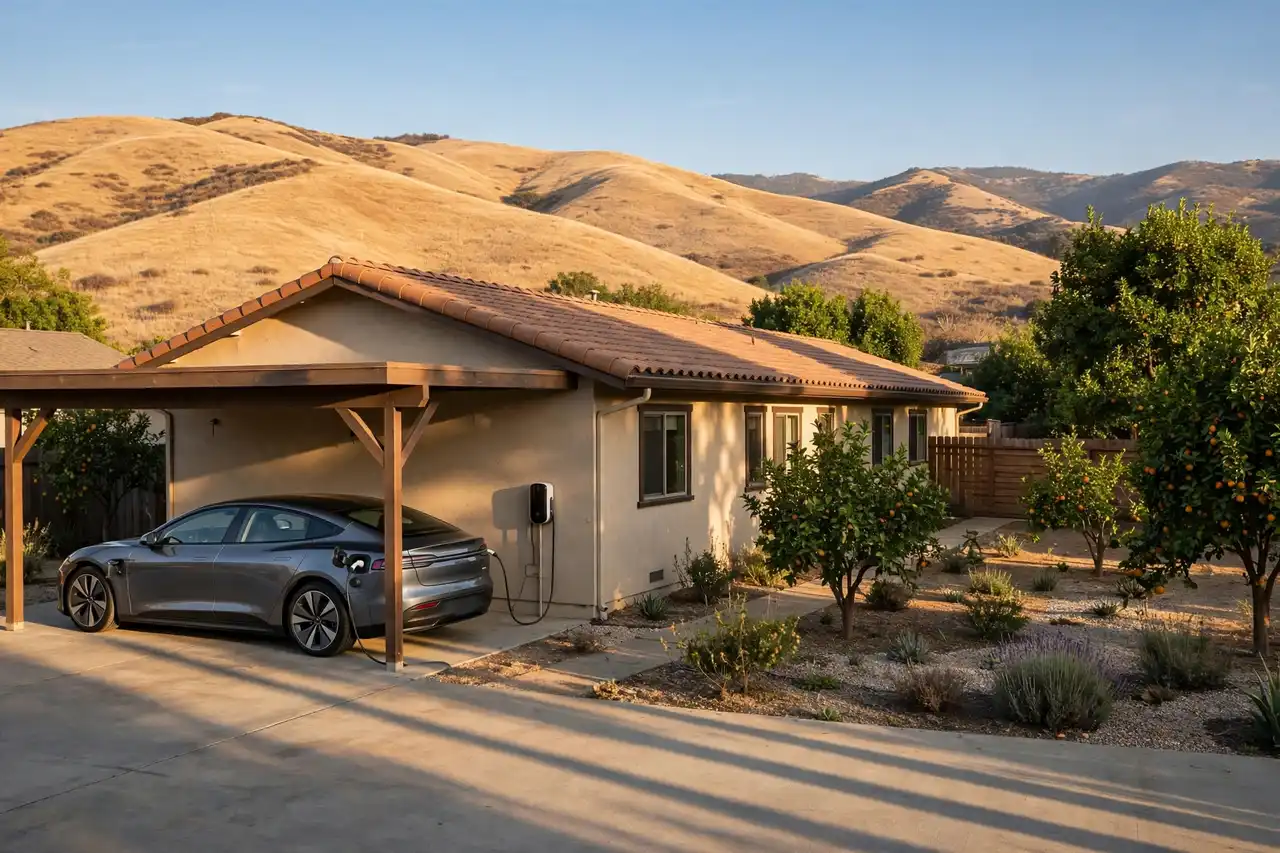 San Jose, CA
Every one of the 300 metro areas in the network has a local page with its utility, law and housing profile — start from your state and city index.
Frequently asked questions
What does a level 2 charger installation job actually involve?
Level 2 is the standard residential target because it restores a typical day of driving in a few hours instead of a day and a half. The work centres on the circuit: breaker space, wire run, receptacle or hardwired connection, and settings matched to the circuit's rating. The electrical side is always permitted work: a load calculation first, then the circuit and equipment, then inspection.
Who performs the work?
The work is done by licensed electricians and installer companies in your metro who take level 2 charger installation jobs through the network. PlugReady USA matches and routes the request; the visiting installer is the contracting party, on the permit and on the paperwork.
Are there rebates for this work?
Sometimes — for level 2 charger installation, the live money layer is utility and state programs, listed city by city on our local pages with sources and as-of dates. The federal 30C charger credit ended on September 30, 2025, and we never present it as available.
Do I need a permit?
Yes. A new 240-volt circuit is permitted electrical work in effectively every jurisdiction we cover, and the installation is inspected. The permit is pulled by your installer as part of the job — its absence from a quote is a question to ask. For level 2 charger installation the filing names the circuit and the station it feeds.
Can this be combined with other electrical work?
Usually yes, and often sensibly: panel capacity, charger circuits and EV-ready rough-in are planned together with level 2 charger installation in one load calculation and one permit set.
How do I start?
Request an installer from any page on this site or call — and say it is level 2 charger installation you are after. Tell us the property type and what you already know about your panel; it makes the first conversation shorter and the quote sharper.
Is a 60-amp circuit always better than a 40-amp one?
Only when both ends can use it: the vehicle must accept charge at the higher rate, and the panel must carry the larger continuous load without other work. For most households the overnight arithmetic closes well below the top of the ladder — a 40-amp circuit restores roughly two hundred miles over a long night. The larger circuit earns its scope when the commute is long, the window is short, or a second vehicle is coming.
Can two cars share one Level 2 circuit?
Yes, with equipment listed for the purpose. Power-sharing stations divide the circuit's capacity between the vehicles — splitting it when both are plugged in, giving the whole circuit to whichever car is charging alone. The arrangement is recognised by the code's energy-management provisions, is configured at installation, and is usually the sensible answer for a two-vehicle garage whose panel cannot carry two full circuits.
Related services
Home EV Charger Installation
A dedicated 240-volt charging station installed where you park — assessed, permitted and inspected, sized to your vehicle and your panel.
Dedicated Circuit & Electrical Panel Upgrade
When the panel cannot carry a charger on top of everything else, the circuit or the service itself has to grow first.
Wall Connector Installation
Professional mounting and connection of an owner-supplied wall connector, configured to the circuit it lands on.
Book level 2 charger installation locally
Your city's page carries the utility, law and housing facts for this service — or send the request now.