Home EV Charger Installation
A dedicated 240-volt charging station installed where you park — assessed, permitted and inspected, sized to your vehicle and your panel.
This is the core job most EV owners in the metro hire out: a wall-mounted or pedestal Level 2 station on its own circuit, placed for the way the household actually parks. A proper install starts with a load calculation on the existing panel, then circuit routing, mounting, configuration and inspection.
A dedicated 240-volt charging station installed where you park — assessed, permitted and inspected, sized to your vehicle and your panel. Scope varies by property: a single-family garage, a condominium with an association in the loop, and a workplace car park are three different projects that happen to share equipment. The pages below — and the city pages that carry your utility, law and housing facts — are how we keep the advice specific instead of generic.
How it works
1. Tell us the job
Service, city and ZIP, property type, and anything you already know — panel size, where the car parks, whether an HOA is involved. Two minutes, no obligation.
2. Local installers respond
Licensed electricians and EV-installer companies who cover your city look over the request and contact you directly to arrange a site visit.
3. Site visit and written quote
The installer checks the panel, measures the wire run, confirms placement and permits, and quotes the job in writing. The local pages on this site exist so you can judge that quote against your utility, your law and your housing stock.
4. Install, inspection, charging
Work is done under permit where required, inspected, and the station is configured to the circuit it sits on. You keep the paperwork; the car charges overnight.
What decides the shape of the job
The panel. A charger is a continuous load, sized at 125% of its draw. Whether your service has honest room for that — or needs a panel upgrade or a load-management device — is the first technical question, and it is answered by a load calculation, not a guess.
The run. Distance and route from panel to parking decide materials and labour: through a shared wall is one job; across a finished basement or a detached garage is another.
The property. Owner-occupied houses are the simple case. Condos, HOA communities and rentals add an approval layer; in the states with right-to-charge laws that layer has statutory rules, and our city pages state your state's position plainly — including where no such law exists.
The utility. Time-of-use rates decide what charging costs you month to month, and some utilities currently fund part of the equipment or the wiring. City pages carry the current, sourced position for your metro.

The technical core, in plain terms
Load calculation first. The National Electrical Code treats EV charging as a continuous load — it runs for three hours or more at full draw — so the circuit is sized at 125% of the charger's output, and the service as a whole is checked with an NEC Article 220 calculation before anyone promises a circuit size. That calculation, done on your actual panel and your actual other loads, is the document the whole job hangs from. When an installer skips it, every later number is a guess wearing a uniform.
Equipment matched to the circuit, not the brochure. A charging station's headline rate is a ceiling, not a setting: the station is configured — by switch, dial or software — to the circuit it actually sits on. A 48-amp station on a 60-amp circuit and the same station dialled to 32 amps on a 40-amp circuit are both correct installations; the sin is a mismatch, in either direction. This is also why the car rarely gets a vote: most vehicles accept Level 2 power at rates the residential circuits above already cover, and charging speed at home is governed by the circuit and the station's configuration, not by the badge on the car.
Protection and placement. Modern code cycles require ground-fault protection for the circuit — increasingly delivered by the breaker — and the installation's permanence is why the work is permitted and inspected rather than treated as an appliance drop-off. Placement is engineering too: cable reach to the charge port in the car's real parking position, clearance from water and impact, and ventilation where the climate demands it. A good installer discusses all three before the drill comes out, because all three are expensive to revisit after the inspection sticker is on.
Home EV Charger Installation: the job, step by step
The job starts with a site visit, and the visit has a deliverable: a load calculation on your actual panel plus a written scope. The installer photographs the panel schedule, checks the breaker spaces against the panel's listing, measures the route from panel to parking, and looks at where the car actually parks — the station belongs where the charge port ends up at night, not where the wall is convenient at noon. A visit that ends without those four things has not scoped the job; it has glanced at it.
Design comes next, and it is mostly arithmetic. The charging rate the household needs — set by daily miles and the overnight window — picks the circuit size; the continuous-load rule then sizes the breaker and conductors above it. The route is drawn: surface-mounted conduit in an unfinished garage, in-wall runs where the framing allows, or a buried run to a detached structure. Hardwired versus plug-in is decided here too, along with the station's placement for cable reach, clearance from the car's swing, and shelter from weather.
Install day is the shortest act. The permit is already filed; the crew runs the circuit, lands the terminations with a calibrated torque tool to the manufacturer's specification, mounts and configures the station to the circuit it sits on, and updates the panel schedule. The inspection follows on the city's calendar, and the handover includes the paperwork — permit, inspection record, and the station's settings — plus the practical five minutes: how scheduling works, how the cable should be stowed, and what the station's indicator lights are telling you.
Code, capacity and the details installers check
National Electrical Code Article 625 governs this equipment end to end, and three of its rules shape every home install. First, charging is a continuous load: under 625.42 the branch circuit and its protection are sized at 125 percent of the station's configured output, which is why a 48-amp charge rate lives on a 60-amp circuit. Second, under 220.57 the load calculation carries the charger at a minimum of 7,200 volt-amperes or its nameplate rating, whichever is larger — the charger cannot be wished small on paper. Third, terminations are torqued to the listing's specification under 110.14(D); a loose lug under a load that runs all night is a failure that schedules itself.
Protection has its own chapter. Section 625.54 requires ground-fault protection for receptacles installed for vehicle charging, and recent code cycles push that protection into the breaker for many garage configurations. Where a plug-in station and a GFCI breaker disagree — some combinations nuisance-trip — the design answers are known: a hardwired configuration, a breaker the station manufacturer lists as compatible, or protection delivered at the equipment. This is a design-stage conversation, not a callback-stage one, and it is one of the quiet differences between installers who do this weekly and those who do it occasionally.
Panel capacity and breaker spaces are separate questions, and confusing them mis-sizes jobs. A panel can have spare spaces and no spare capacity, or spare capacity behind a full row of breakers. Tandem and quad breakers are allowed only where the panel's listing permits them, and a spaces problem is often solved with a subpanel while a capacity problem is solved with a service change or an energy management system — three different scopes that a proper load calculation distinguishes before anyone quotes.

What shapes the scope of this job
The run decides most of the labour. A panel on the garage wall with the car beside it is the short version; the same circuit across a finished ceiling, around a stairwell, or out to a detached garage — trenching, conduit, boring — is a different day's work with the same charger at the end of it. Finished surfaces add the finishing trade: drywall, stucco and paint repair after the electrical work passes. None of this is knowable from a photograph of the charger box, which is why real quotes follow site visits.
The panel's condition is the second shaper. Honest spare capacity means the charger circuit is the whole job. A service at its limit adds one of three things — a service increase, a panel replacement, or a load-management device — and older panels whose breakers are no longer manufactured can turn a charger project into a panel conversation first. Permit and inspection scheduling is the third: in busy metros the calendar, not the crew, sets the completion date, and a quote that separates the parts the installer controls from the parts the city controls is the one worth trusting.
Living with the finished install
The finished install settles into the household's background within a week, which is the design's intention. What owners actually interact with is small: the cable's stow, the schedule's quiet working, the indicator light's reassurance. The interactions worth planning are the exceptions — a guest's car on the driveway, a borrowed vehicle with its port on the other side, the winter week when the schedule should start earlier. A station placed with the cable's full reach in mind absorbs all three without drama; a station placed for the drawing absorbs none of them gracefully.
The second vehicle is the most predictable exception, and the time to make it cheap is the first install. Conduit sized a step large, a route that passes the second parking position, a panel schedule that records the plan — each is a small decision inside the first project that converts the second from construction into configuration. Households that know a second EV is coming should say so at the site visit even if it is years away; the installer cannot design for a future they have not been told about.
Maintenance is minimal but not zero, and it is mostly inspection by eye: the cable's jacket for wear where it bends, the connector's contacts for debris, the mounting's firmness, the breaker's behaviour across a season. A station that begins tripping, heating or derating after years of silence is reporting something — the repair guidance on this site covers the diagnostic order — and a five-minute look each season is what catches the report early.
Three properties, three different jobs
The straightforward house. Owner-occupied, panel in or near the garage, car parked inside or on the adjacent driveway. This is the install the industry is organised around: one calculation, one circuit, one inspection, charging the same week in most metros.
The attached home with an association. Townhouses, condos and HOA suburbs add the approval layer — and the layer is lawful, bounded and navigable. In right-to-charge states the statute sets the terms; elsewhere the application package does. Either way, the electrical work itself is identical once approval lands; what changes is the calendar and the paperwork, and both belong in the quote from the start.
The property that earns. Rentals, workplaces and multifamily buildings turn the same equipment into an asset decision: who pays for the electricity, how access is controlled, how the cost is recovered, and how the installation scales from the first station to the tenth. The engineering is a superset of the house job — load management stops being optional — and the planning questions in our city and service pages are written for exactly this case.

Where this service is booked most
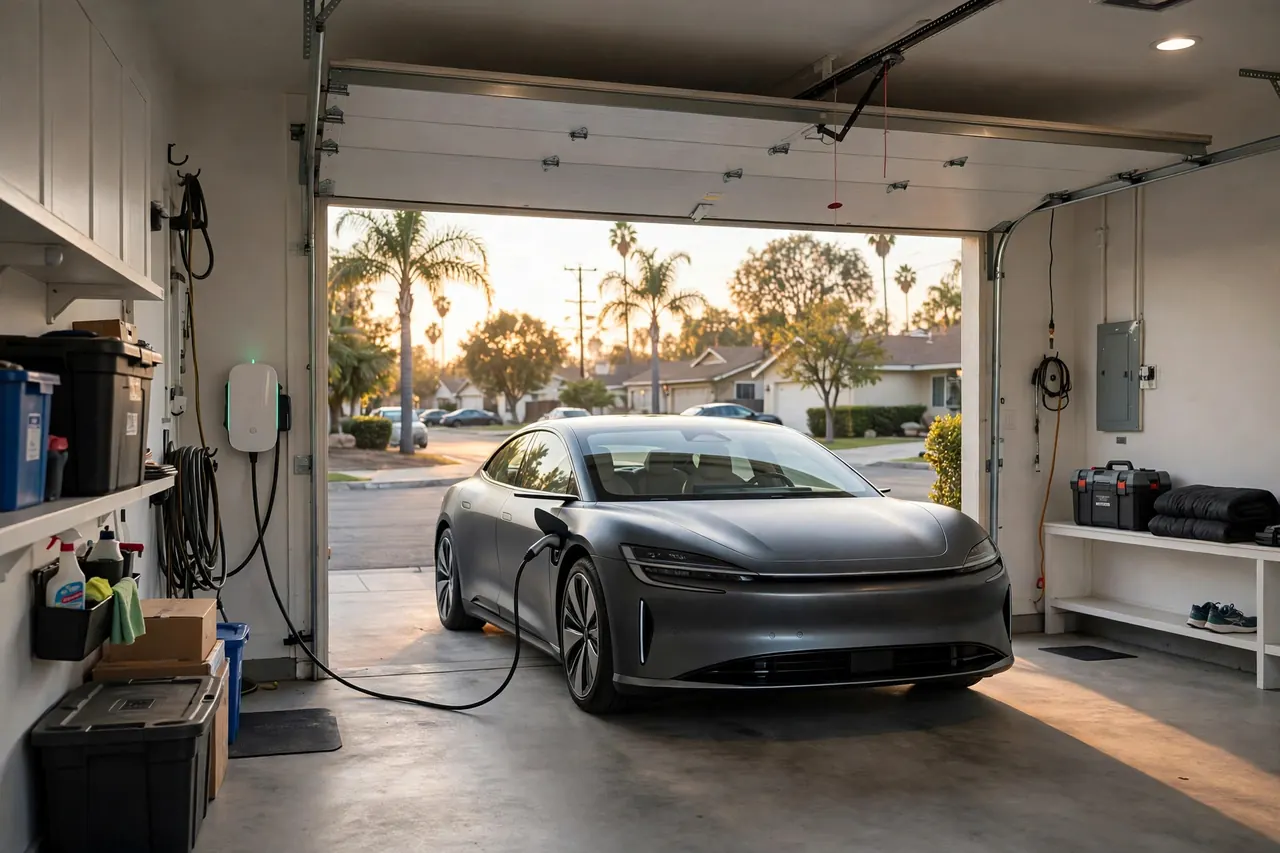 Los Angeles, CA
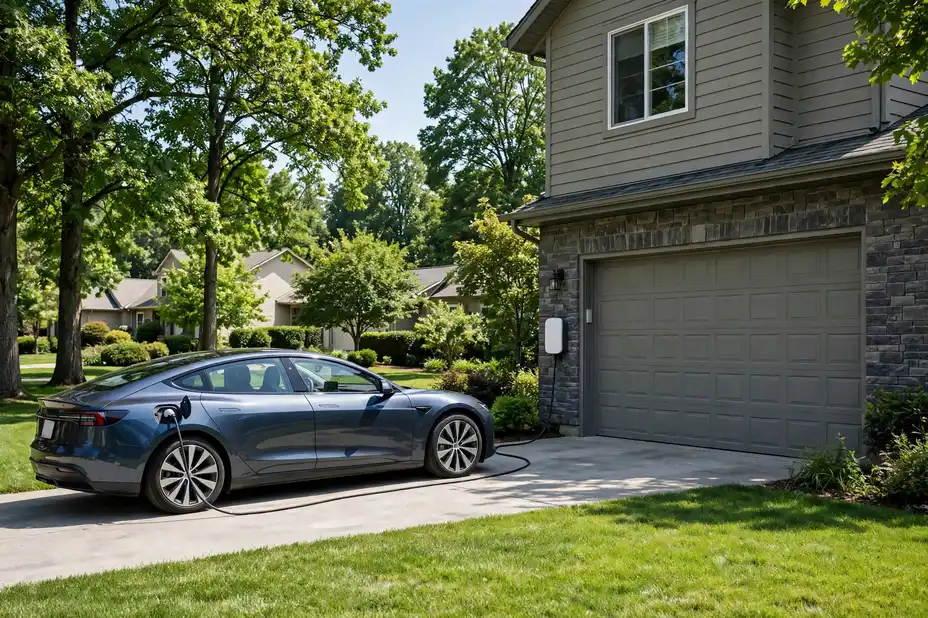 San Francisco, CA
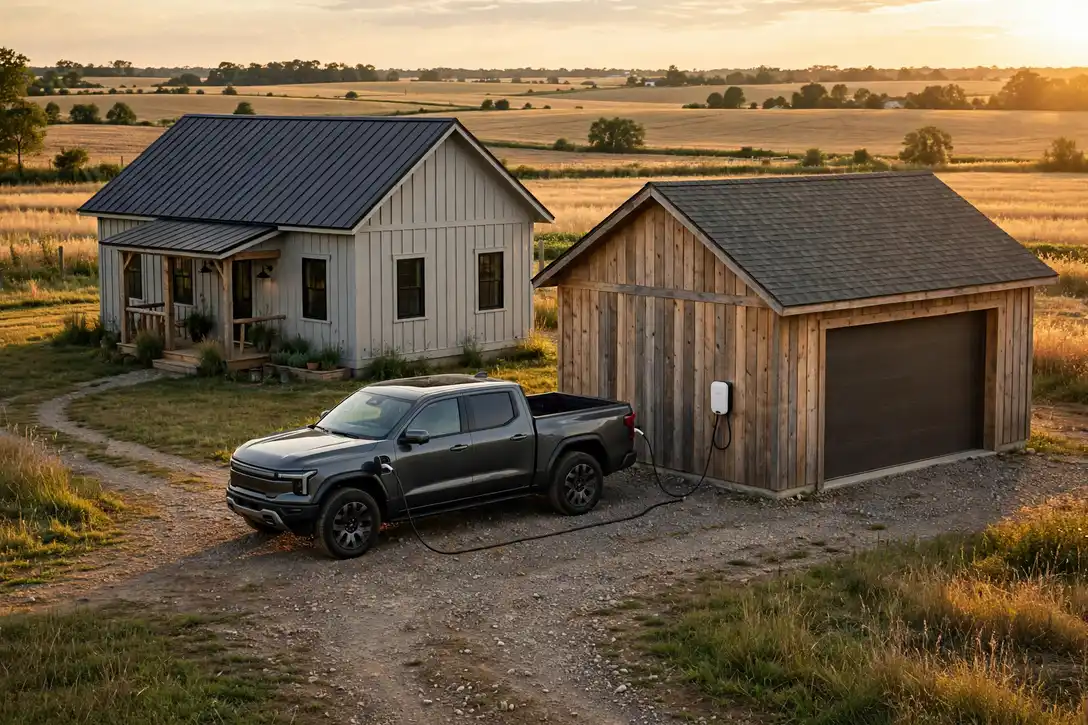 New York, NY
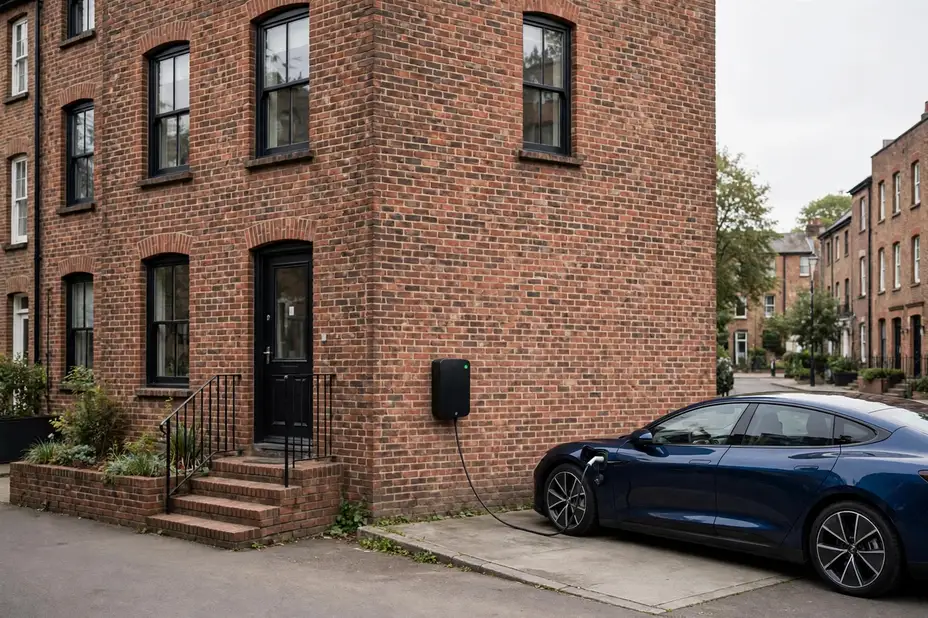 Seattle, WA
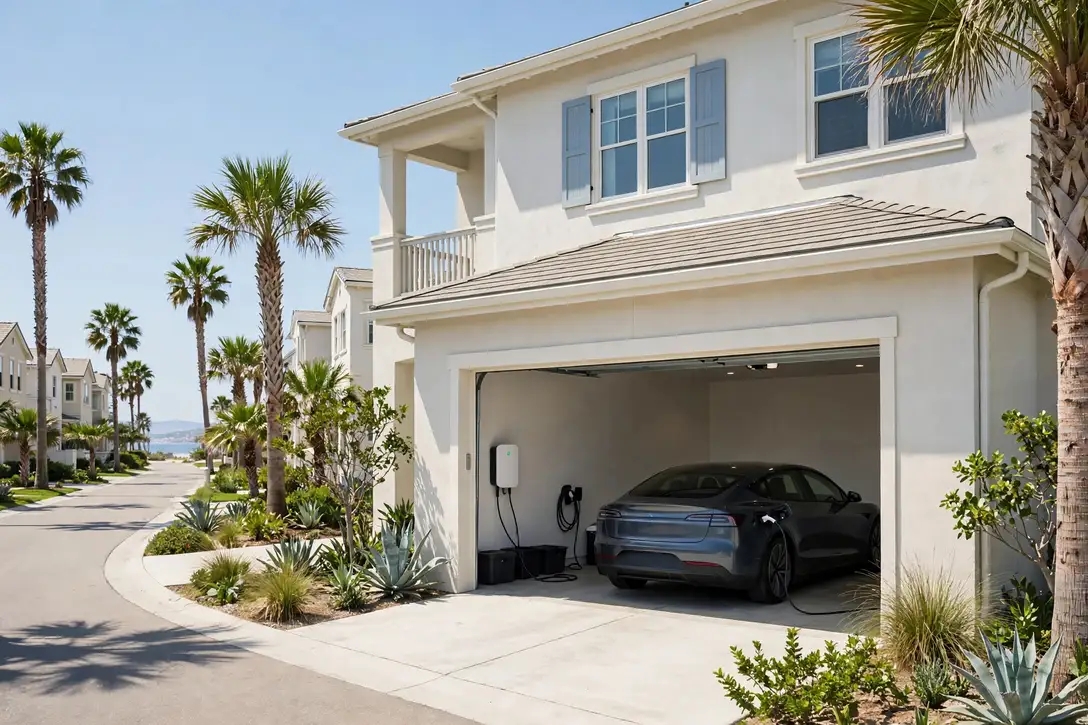 Miami, FL
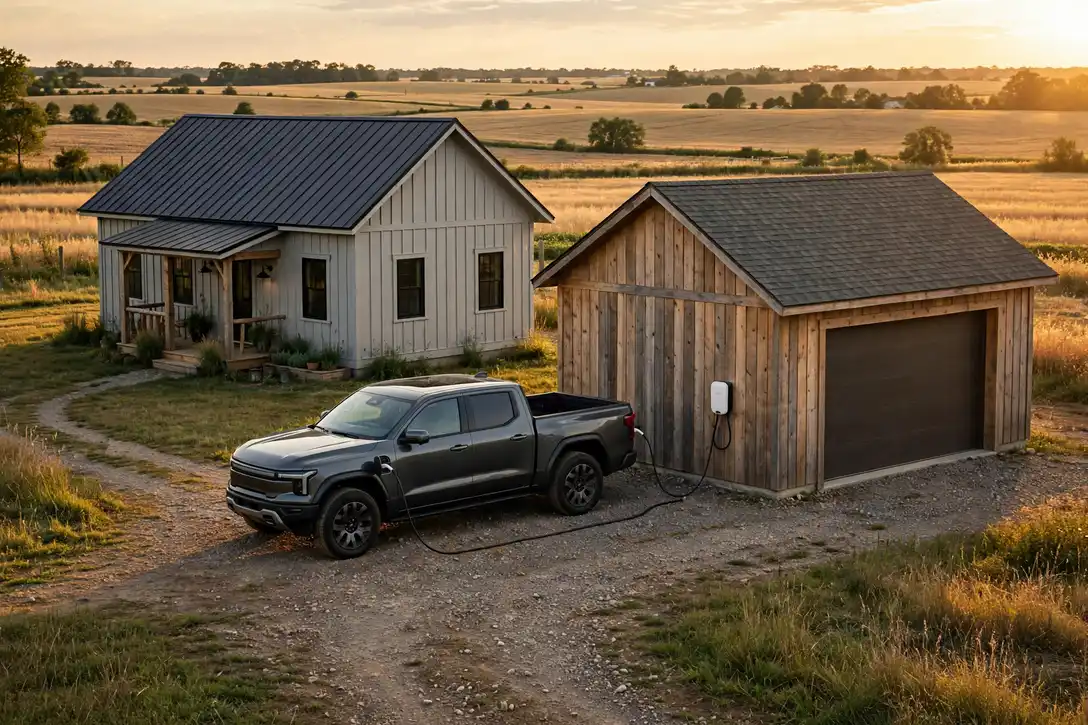 San Diego, CA
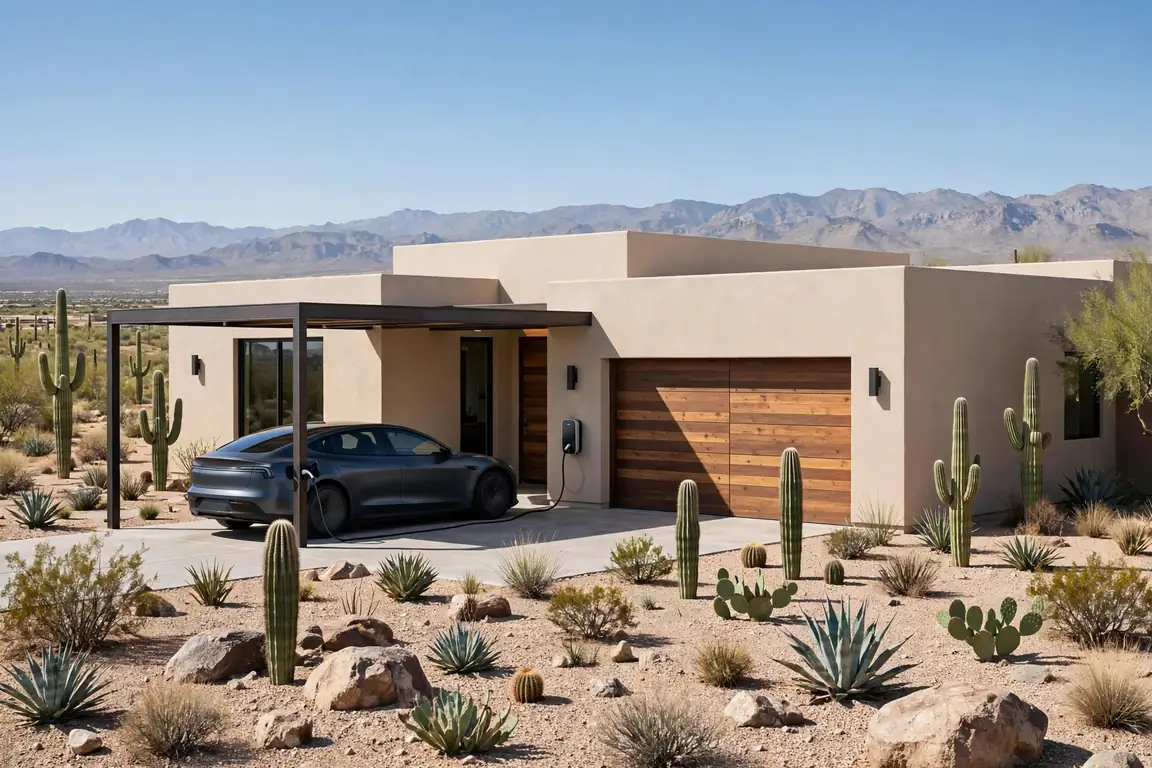 Phoenix, AZ
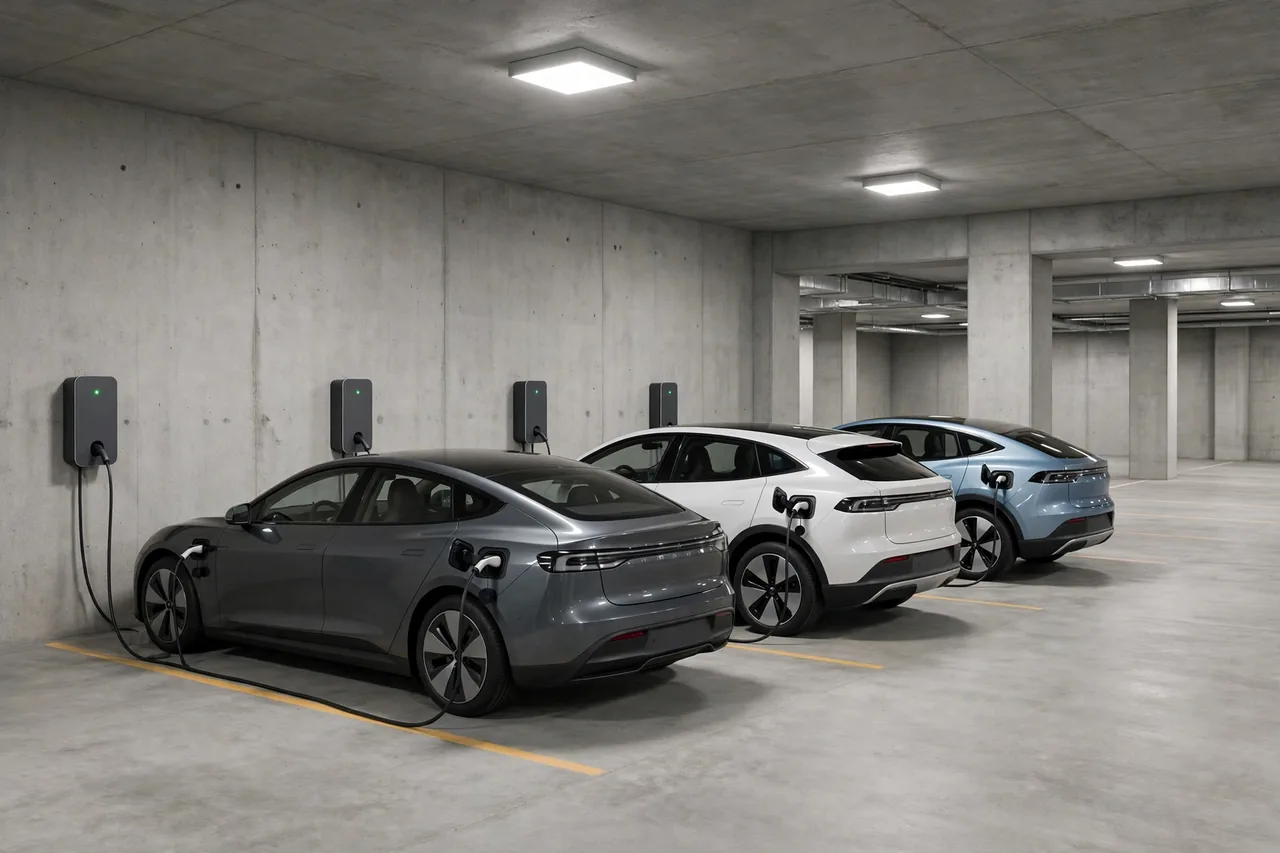 Atlanta, GA
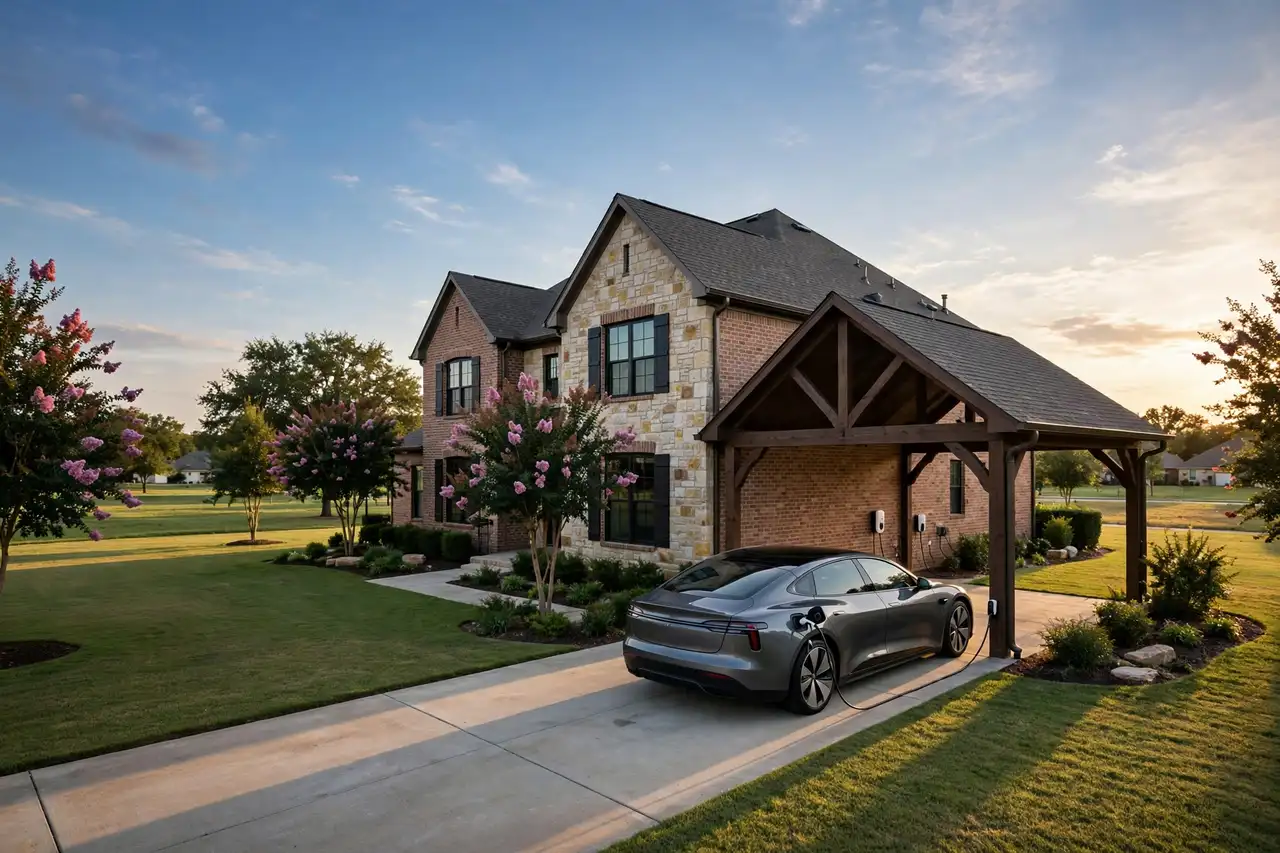 Dallas, TX
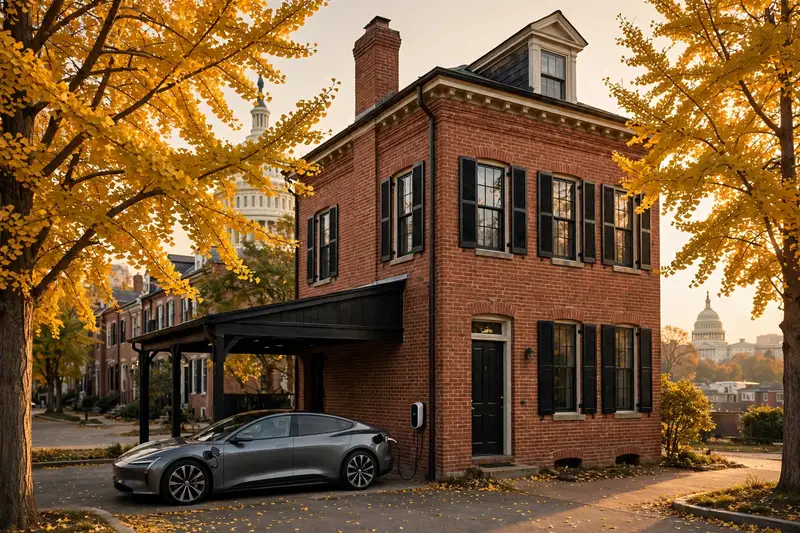 Washington, DC
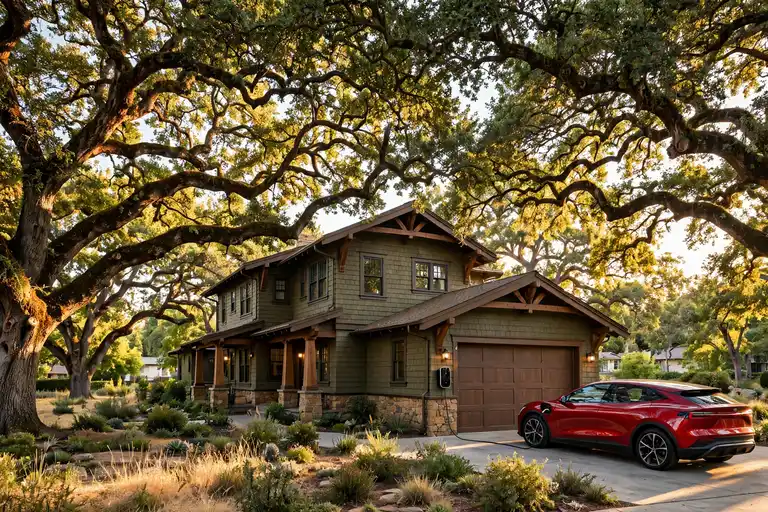 Sacramento, CA
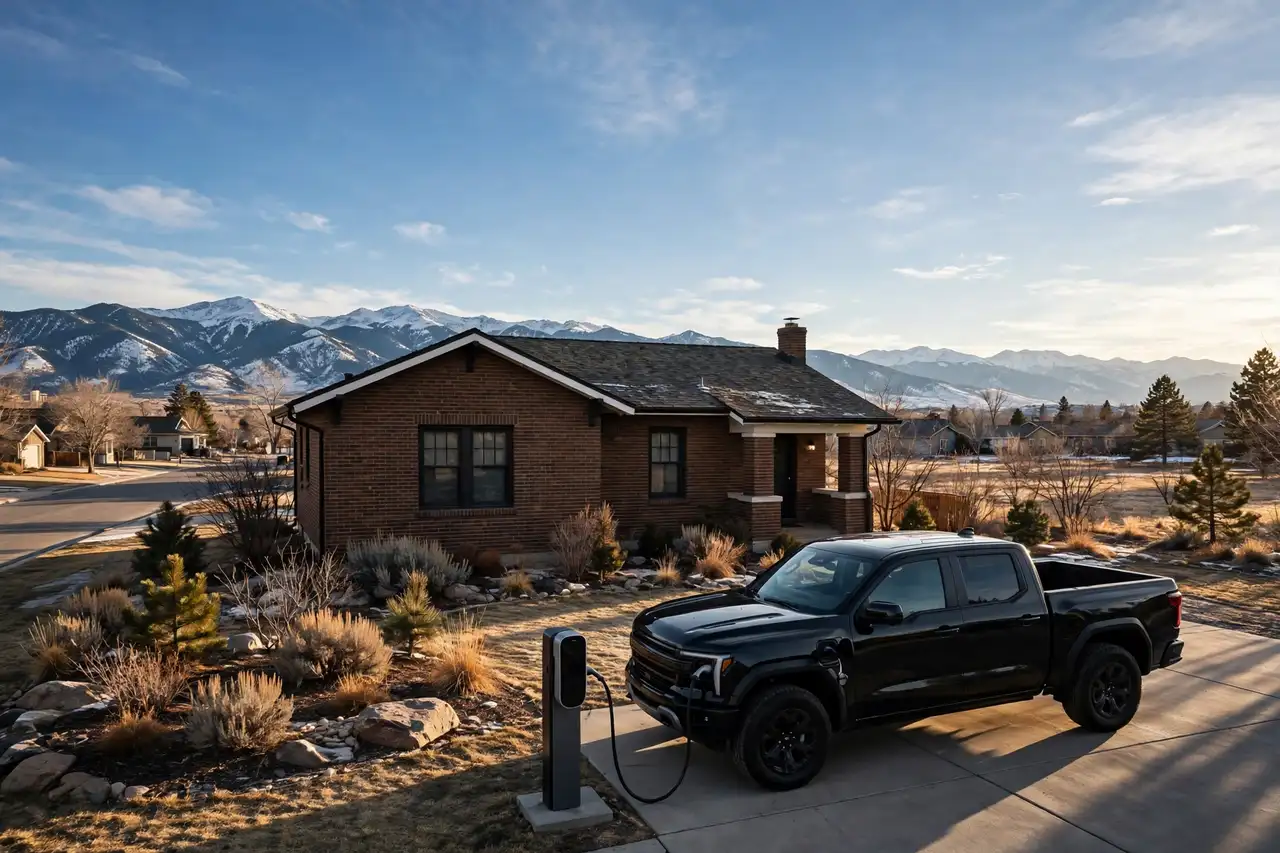 Denver, CO
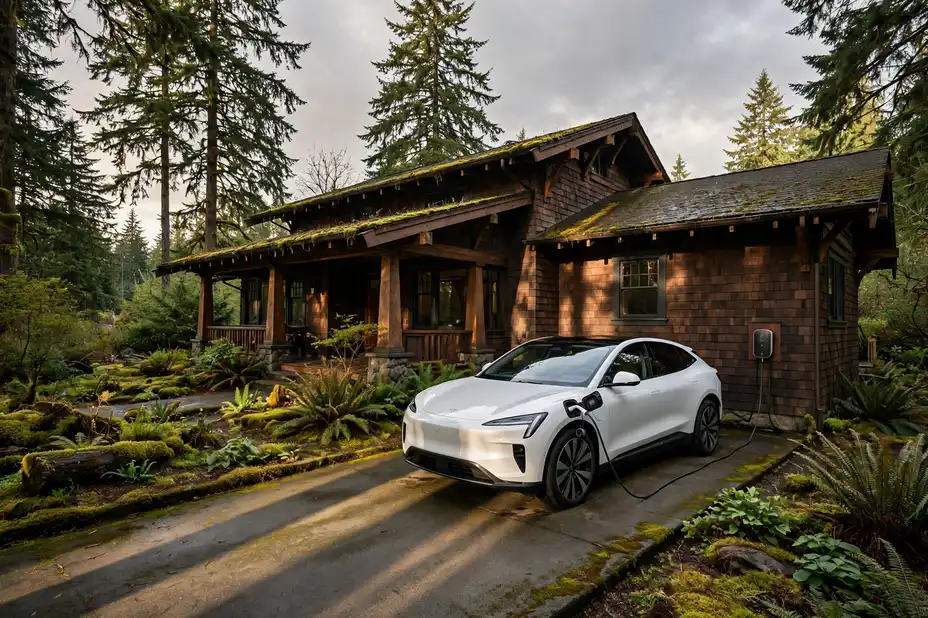 Portland, OR
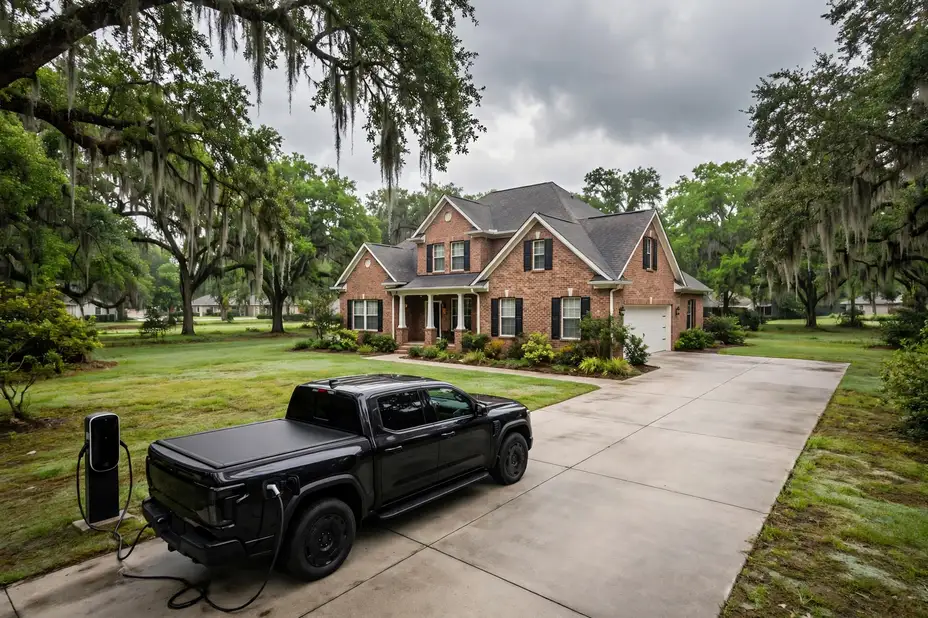 Houston, TX
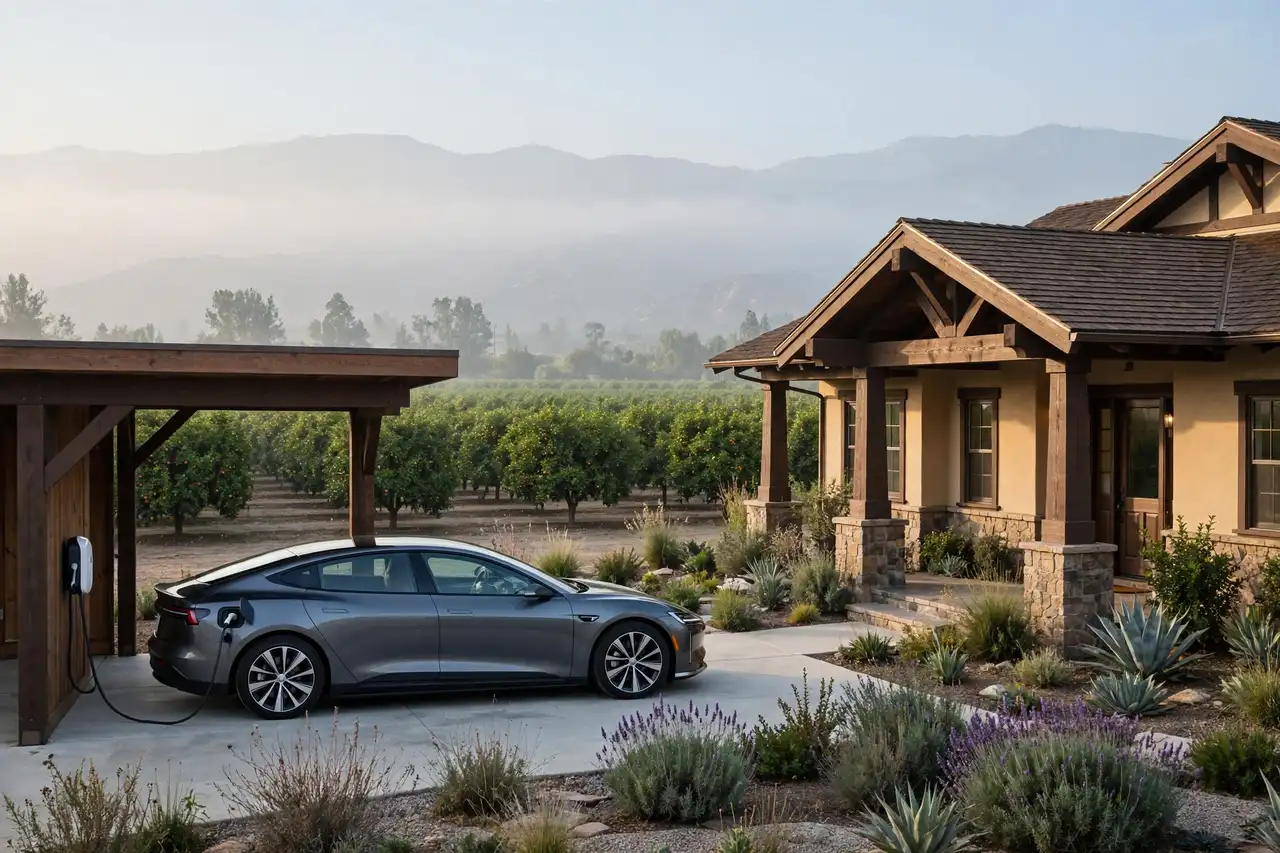 Riverside, CA
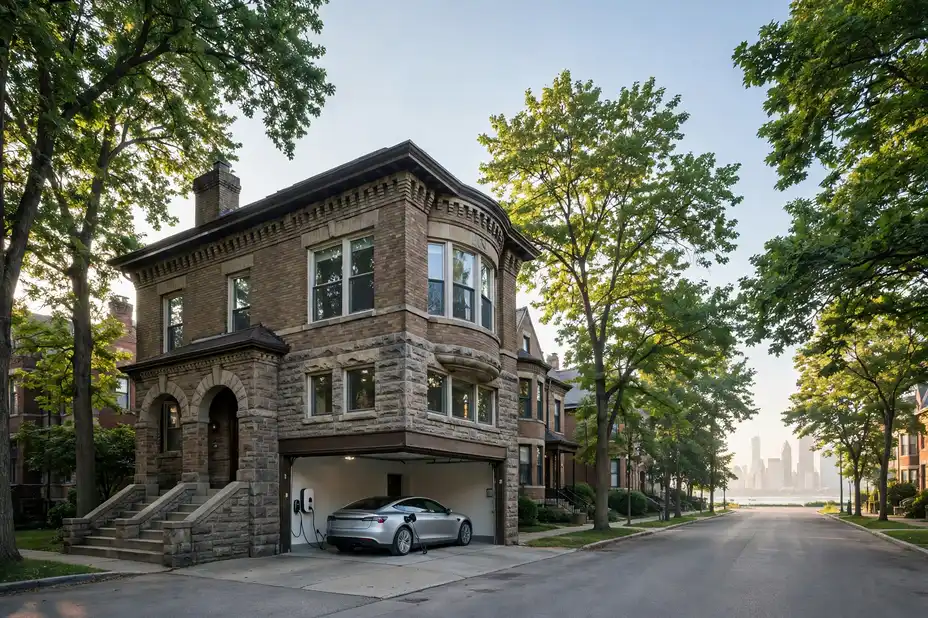 Chicago, IL
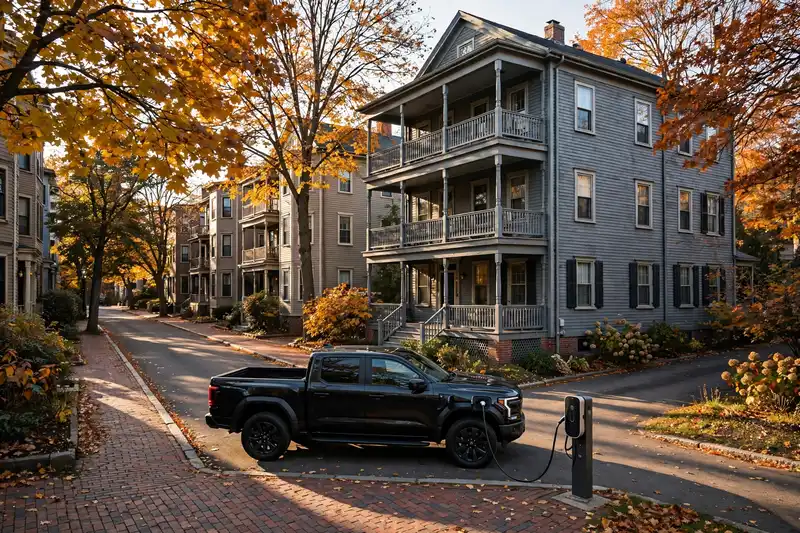 Boston, MA
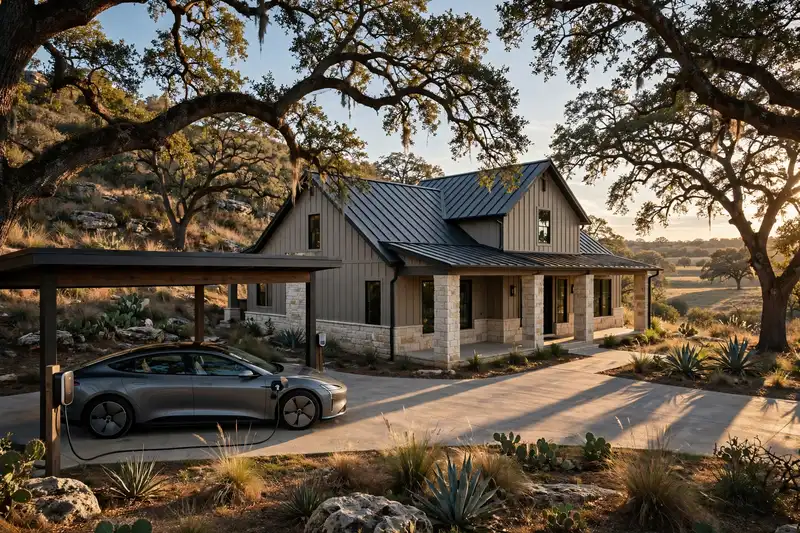 Austin, TX
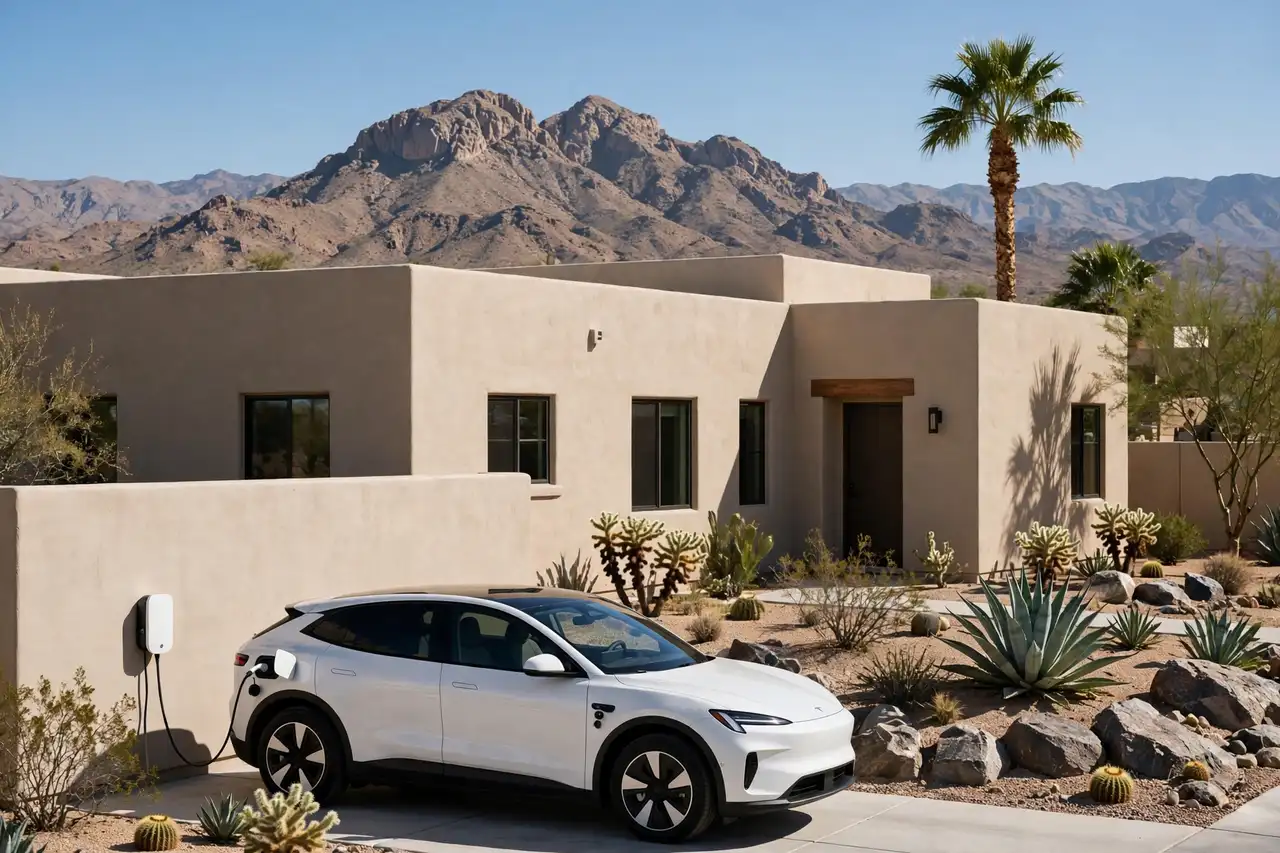 Las Vegas, NV
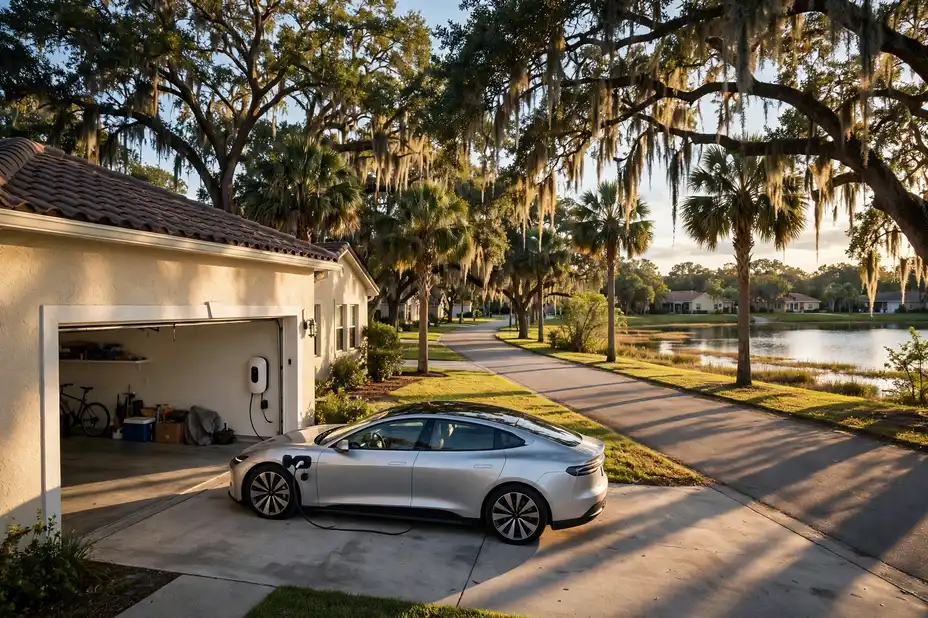 Orlando, FL
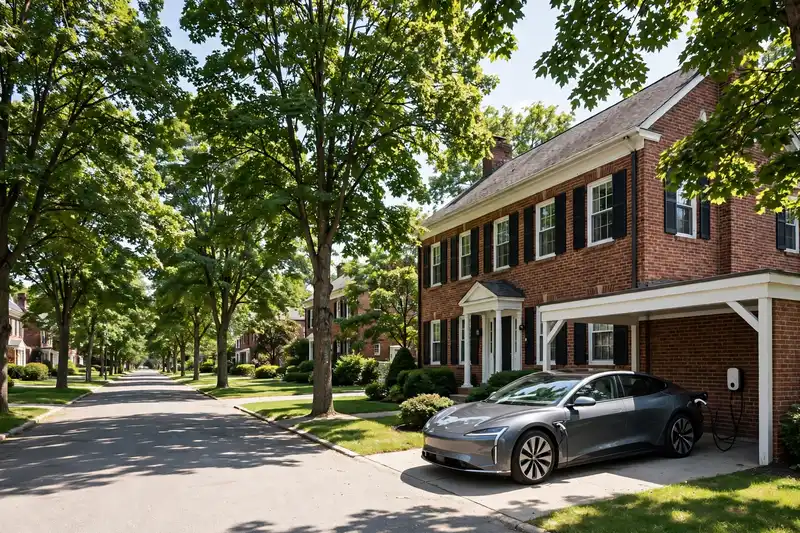 Detroit, MI
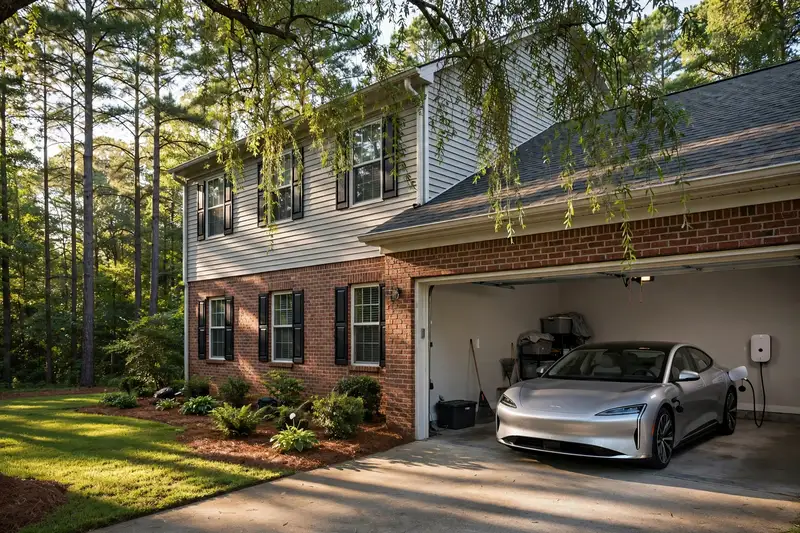 Charlotte, NC
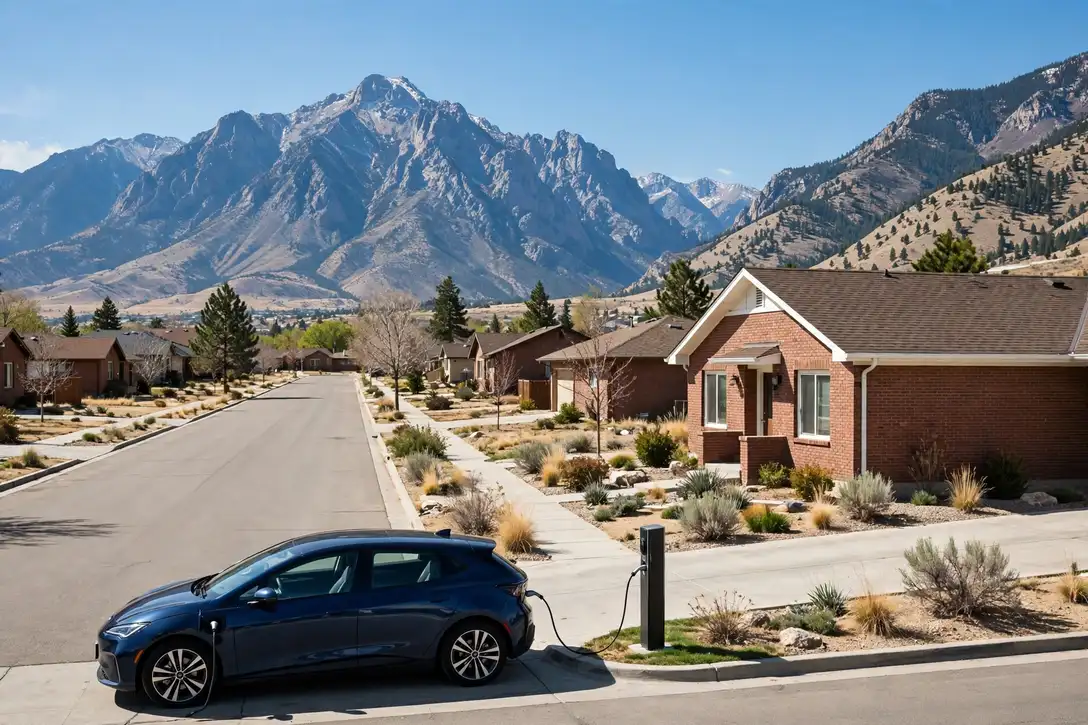 Salt Lake City, UT
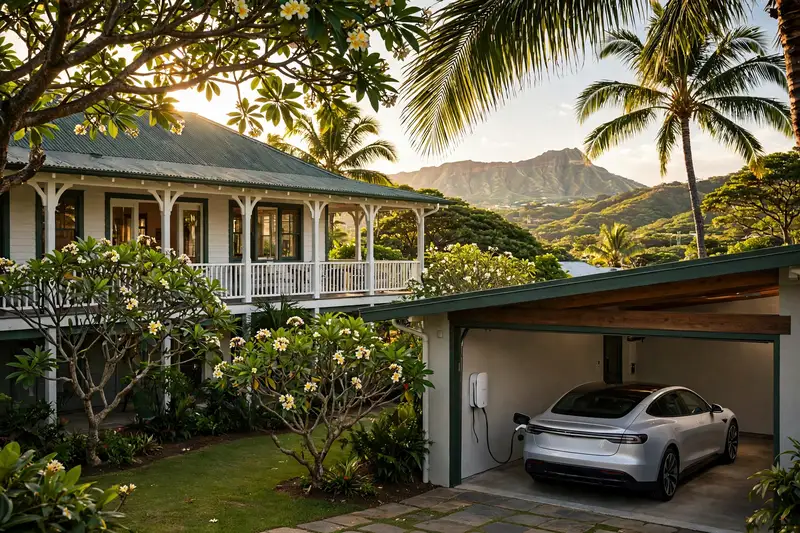 Honolulu, HI
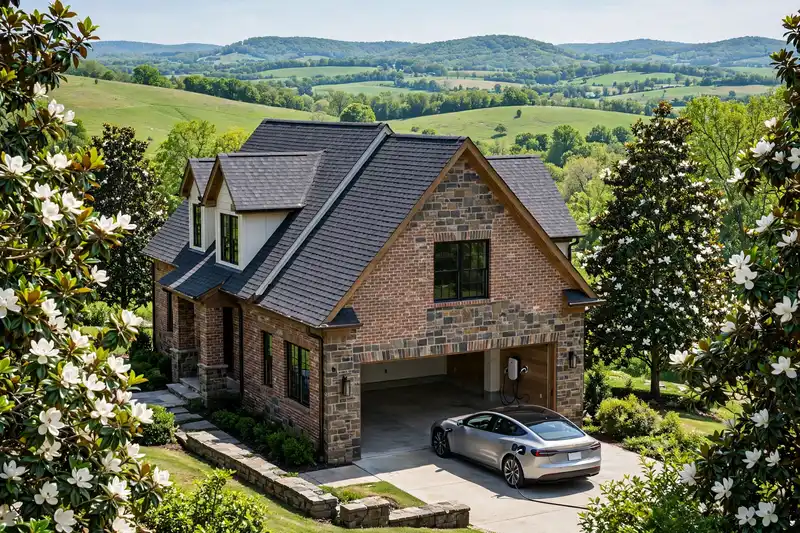 Nashville, TN
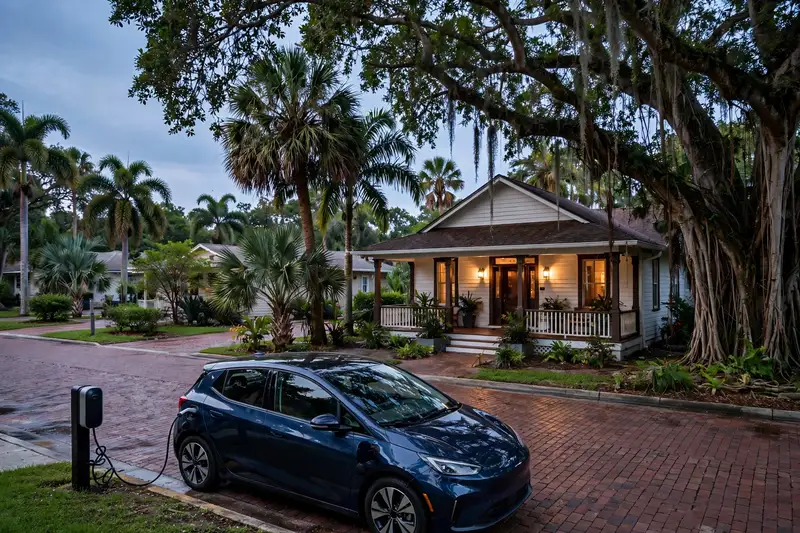 Tampa, FL
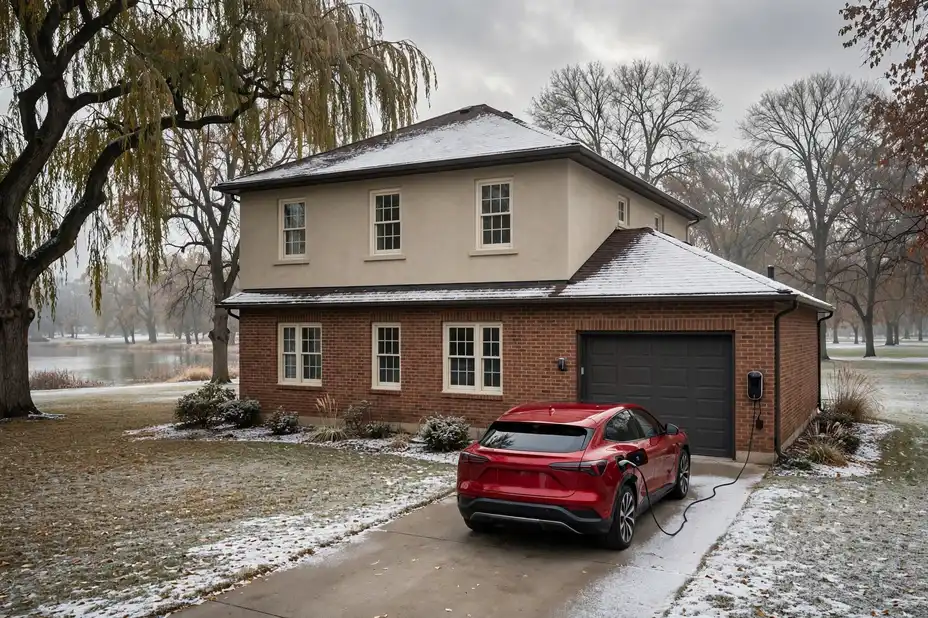 Minneapolis, MN
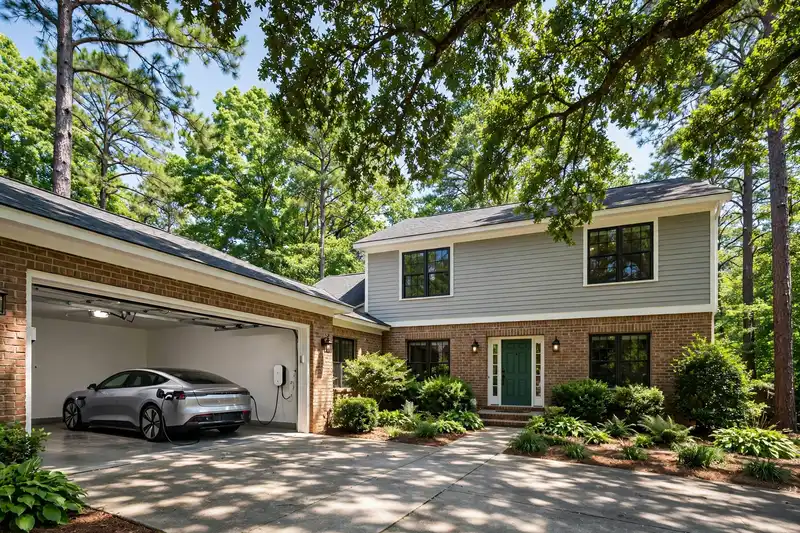 Raleigh, NC
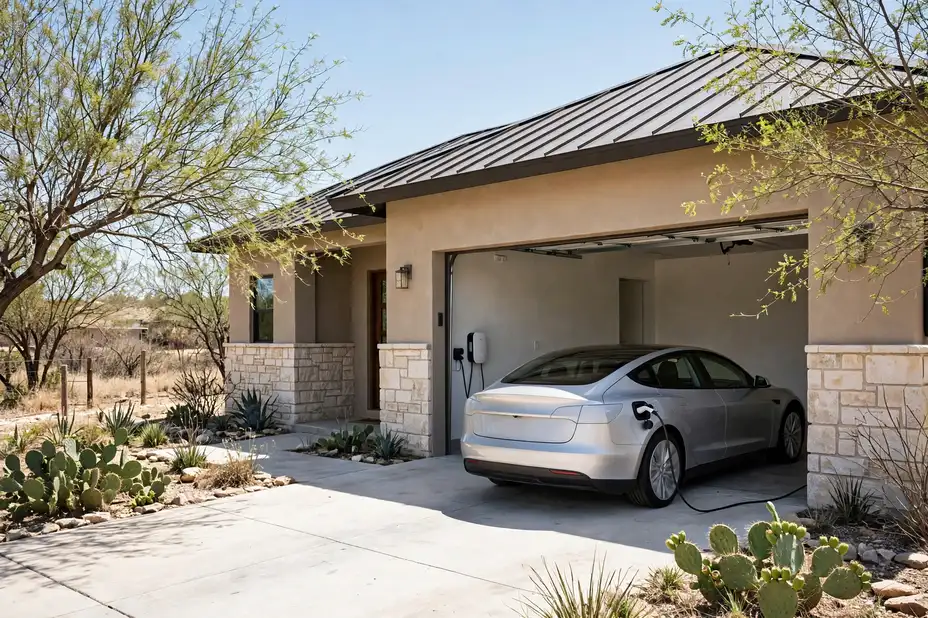 San Antonio, TX
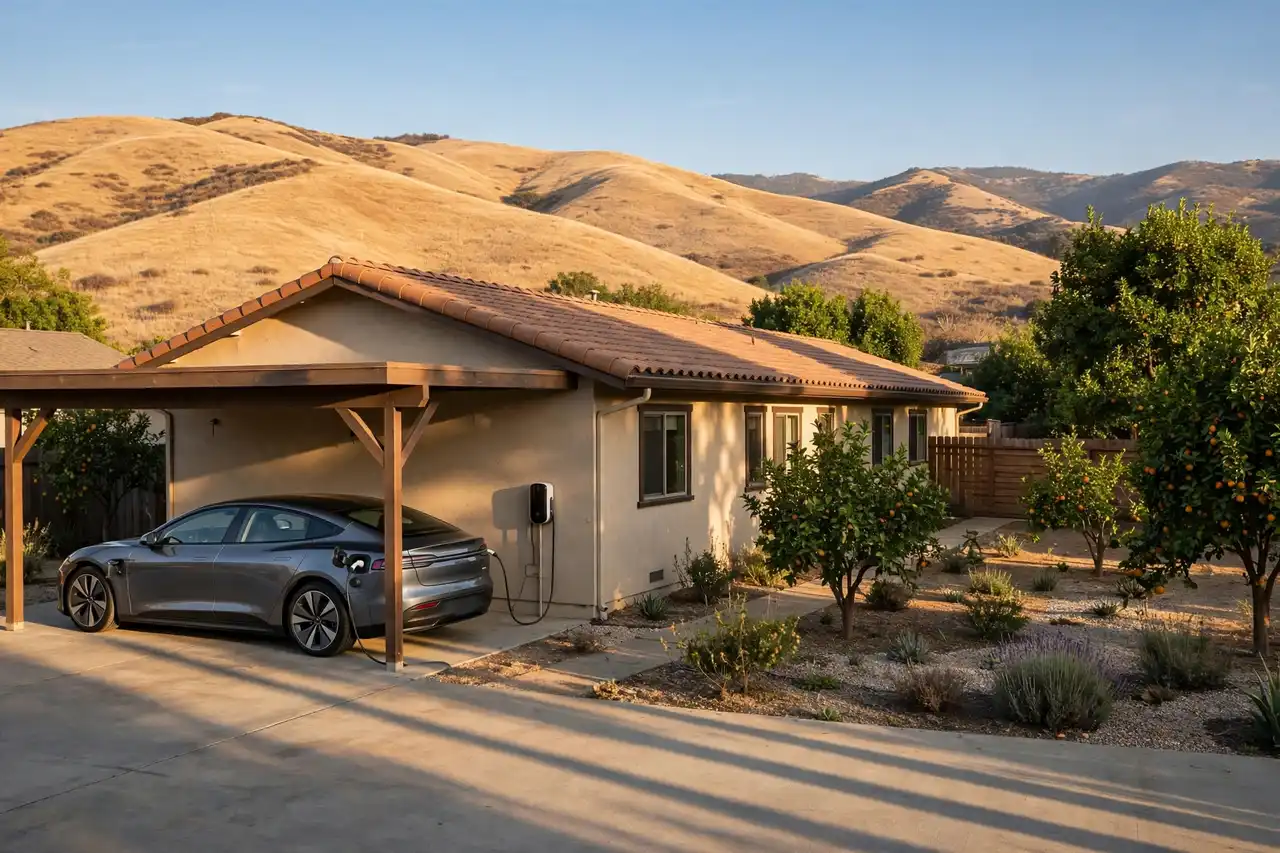 San Jose, CA
Every one of the 300 metro areas in the network has a local page with its utility, law and housing profile — start from your state and city index.
Frequently asked questions
What does a home ev charger installation job actually involve?
This is the core job most EV owners in the metro hire out: a wall-mounted or pedestal Level 2 station on its own circuit, placed for the way the household actually parks. A proper install starts with a load calculation on the existing panel, then circuit routing, mounting, configuration and inspection. The electrical side is always permitted work: a load calculation first, then the circuit and equipment, then inspection.
Who performs the work?
Licensed local electricians and EV-installer companies matched through PlugReady USA for home ev charger installation. We are the matching service; the installer who visits is the contractor on your permit and your contract.
Are there rebates for this work?
Sometimes — for home ev charger installation, the live money layer is utility and state programs, listed city by city on our local pages with sources and as-of dates. The federal 30C charger credit ended on September 30, 2025, and we never present it as available.
Do I need a permit?
It is. Charger circuits are permitted, inspected electrical work — not an appliance purchase. Whoever quotes you should name the permitting step without being asked; whoever omits it is estimating a different job than the one you will own. For home ev charger installation the filing names the circuit and the station it feeds.
Can this be combined with other electrical work?
Frequently, and your installer will likely suggest it when quoting home ev charger installation: capacity work, circuits and rough-in share the same site visit, the same calculation and often the same permit. Ask while the scope is still on paper.
How do I start?
Request an installer from any page on this site or call — and say it is home ev charger installation you are after. Tell us the property type and what you already know about your panel; it makes the first conversation shorter and the quote sharper.
How long does the electrical work itself take?
For the standard single-family layout — panel in or near the garage, one circuit, one station — the electrical work is typically a half day to a day once the permit is in hand. Permit issuance and the inspection visit run on the jurisdiction's calendar and can add days around that work; your installer should give you both timelines separately rather than one blended guess.
Can the station be mounted outdoors or on a post?
Yes. Stations listed for outdoor use mount on exterior walls and pedestals in driveways and carports every day. The outdoor version of the job adds enclosure rating and weather sealing to the design, cable reach checked against where the car noses in, and protection from vehicle impact and snow clearing — and a pedestal adds a conduit run, often trenched, which belongs in the scope from the start.
Related services
Level 2 Charger Installation
The 240-volt upgrade that takes charging from an overnight trickle to a full battery by morning.
Dedicated Circuit & Electrical Panel Upgrade
When the panel cannot carry a charger on top of everything else, the circuit or the service itself has to grow first.
Wall Connector Installation
Professional mounting and connection of an owner-supplied wall connector, configured to the circuit it lands on.
Book home ev charger installation locally
Your city's page carries the utility, law and housing facts for this service — or send the request now.