Commercial EV Charging Installation
Charging for workplaces' customers, tenants, fleets and paying drivers — networked stations, load sharing and make-ready work.
Commercial installs add networked stations, payment and access control, ADA and signage requirements, and utility make-ready programs that can fund the infrastructure side. The design question is dwell time: stations are sized to how long vehicles actually sit.
Charging for workplaces' customers, tenants, fleets and paying drivers — networked stations, load sharing and make-ready work. Scope varies by property: a single-family garage, a condominium with an association in the loop, and a workplace car park are three different projects that happen to share equipment. The pages below — and the city pages that carry your utility, law and housing facts — are how we keep the advice specific instead of generic.
How it works
1. Tell us the job
Service, city and ZIP, property type, and anything you already know — panel size, where the car parks, whether an HOA is involved. Two minutes, no obligation.
2. Local installers respond
Licensed electricians and EV-installer companies who cover your city look over the request and contact you directly to arrange a site visit.
3. Site visit and written quote
The installer checks the panel, measures the wire run, confirms placement and permits, and quotes the job in writing. The local pages on this site exist so you can judge that quote against your utility, your law and your housing stock.
4. Install, inspection, charging
Work is done under permit where required, inspected, and the station is configured to the circuit it sits on. You keep the paperwork; the car charges overnight.
What decides the shape of the job
The panel. A charger is a continuous load, sized at 125% of its draw. Whether your service has honest room for that — or needs a panel upgrade or a load-management device — is the first technical question, and it is answered by a load calculation, not a guess.
The run. Distance and route from panel to parking decide materials and labour: through a shared wall is one job; across a finished basement or a detached garage is another.
The property. Owner-occupied houses are the simple case. Condos, HOA communities and rentals add an approval layer; in the states with right-to-charge laws that layer has statutory rules, and our city pages state your state's position plainly — including where no such law exists.
The utility. Time-of-use rates decide what charging costs you month to month, and some utilities currently fund part of the equipment or the wiring. City pages carry the current, sourced position for your metro.

The technical core, in plain terms
Load calculation first. The National Electrical Code treats EV charging as a continuous load — it runs for three hours or more at full draw — so the circuit is sized at 125% of the charger's output, and the service as a whole is checked with an NEC Article 220 calculation before anyone promises a circuit size. That calculation, done on your actual panel and your actual other loads, is the document the whole job hangs from. When an installer skips it, every later number is a guess wearing a uniform.
Equipment matched to the circuit, not the brochure. A charging station's headline rate is a ceiling, not a setting: the station is configured — by switch, dial or software — to the circuit it actually sits on. A 48-amp station on a 60-amp circuit and the same station dialled to 32 amps on a 40-amp circuit are both correct installations; the sin is a mismatch, in either direction. This is also why the car rarely gets a vote: most vehicles accept Level 2 power at rates the residential circuits above already cover, and charging speed at home is governed by the circuit and the station's configuration, not by the badge on the car.
Protection and placement. Modern code cycles require ground-fault protection for the circuit — increasingly delivered by the breaker — and the installation's permanence is why the work is permitted and inspected rather than treated as an appliance drop-off. Placement is engineering too: cable reach to the charge port in the car's real parking position, clearance from water and impact, and ventilation where the climate demands it. A good installer discusses all three before the drill comes out, because all three are expensive to revisit after the inspection sticker is on.
Commercial EV Charging Installation: the job, step by step
Commercial work starts with a demand study, not a station count. Who parks, for how long, and in what turnover pattern decides the design: fleet vehicles that sleep on site, employees parked for a shift, customers parked for an hour and tenants parked overnight are four different electrical problems wearing one name. The study also records the site's growth line — the number of stations the business expects in three years — because the infrastructure decisions made once should be made for that number.
The electrical design follows: a capacity study of the building's service, the utility conversation — many utilities run make-ready programs that fund the infrastructure side of the project, the trenching, conduit and panel work ahead of the stations — and a load-management architecture that lets more stations share a service than raw arithmetic allows. Accessible spaces, signage, lighting and the payment and access model are designed in the same pass, not retrofitted after the ribbon-cutting.
Build-out is usually phased. The expensive, disruptive work — service capacity, conduit runs, stub-outs to future spaces — is done once, at full design size. Stations are then commissioned in tranches against actual demand, each tranche networked, tested under load and onboarded to the site's management platform. The close-out documentation maps every circuit and station, because the second phase, and the maintenance years, are only cheap if the first phase was documented.
Code, capacity and the details installers check
The equipment rules are NEC Article 625, as at a house — but the surrounding obligations are what distinguish commercial work. The building's service is calculated under Article 220 with the charging load managed or unmanaged by design choice; where an energy management system caps the aggregate, 220.70 supports the calculation, and that single provision is what makes large installations feasible on services that could never carry the stations' summed nameplates.
Accessibility is a design input, not a finish detail. Federal accessibility standards and state building codes set scoping for accessible charging spaces — how many, on what route, with what reach ranges and clear floor space — and several states and cities have codified their own ratios for new parking construction. Zoning and building codes in a growing list of jurisdictions additionally require EV-capable or EV-ready spaces in new commercial parking, which means the design conversation starts with the local code set, not the catalogue.
Utility requirements form the third rulebook. Service applications for new load, transformer capacity checks and make-ready program terms all run on the utility's calendar and paperwork; where the program funds infrastructure, its technical standards — metering arrangement, equipment listing, network capability — become project requirements. Program terms are published by each utility and change; our city pages record the verified position for each metro rather than promising terms here.

What shapes the scope of this job
Civil work is the scope driver most estimates underweight: trenching across a finished car park, boring under landscaping, saw-cutting and repaving, bollards and wheel stops, lighting and signage. The distance from the electrical room to the farthest space — copper over that distance, at commercial load factors — regularly exceeds the stations' own share of the project. Sites that phase their civil work with other planned paving or striping projects capture real economies; sites that discover the trenching in week two do not.
Operations shape the rest. Unmanaged fleets returning and plugging in together create demand peaks that follow the site onto its utility bill for a year at a time — the load-management design is an operating decision as much as an electrical one. Network platform arrangements, access policy (employees only, public, paid), uptime expectations and the maintenance agreement all belong in the design brief, because retrofitting a policy onto live stations is markedly harder than commissioning them with one.
Operations after commissioning
Commissioning is the midpoint of a commercial installation's life, not its end. What follows is operations: utilisation climbing as drivers learn the stations exist, the first faults and their response times, the quarterly reading of session data against the demand study that sized the site. Sites that read that data make their second phase a calibration; sites that never look make it a guess. The station network's dashboard is, in effect, the site's ongoing feasibility study, and it arrives free with the installation.
Driver behaviour is the operational variable no drawing controls. Dwell discipline — moving a finished car, respecting the session the policy sets — decides effective capacity more than nameplate counts do, and the levers are mundane: signage that states the arrangement, pricing or access rules that reward turnover where turnover is wanted, and enforcement that is consistent enough to be believed. The sites with waiting lists and the sites with idle stations often have identical hardware and opposite policies.
Maintenance arrangements close the loop. Stations in public-facing duty live hard lives — cables, connectors, screens and bollards all take damage — and the service arrangement's response terms decide whether a fault is a day's inconvenience or a season's dead asset. Uptime is also reputational: a driver who finds a broken station updates their mental map of the business, not of the equipment. The maintenance conversation belongs in the commissioning documents, while the contractor who built the site is still at the table.
Access and identity are the commercial site's quiet layer. Who may charge — customers, tenants, fleet drivers, the public — is expressed in the stations' configuration: open access, app-gated, RFID-held, or tied to a tenant roster, with payment where the site charges for sessions. The choice carries operational weight beyond the gate itself: gated systems know their users and can speak to them, in notifications when a session ends and in data when the site plans its next phase. Open systems trade that knowledge for zero friction. Sites choose well when they choose the layer deliberately, at design, rather than discovering its absence after the first queue forms.
Three properties, three different jobs
The straightforward house. Owner-occupied, panel in or near the garage, car parked inside or on the adjacent driveway. This is the install the industry is organised around: one calculation, one circuit, one inspection, charging the same week in most metros.
The attached home with an association. Townhouses, condos and HOA suburbs add the approval layer — and the layer is lawful, bounded and navigable. In right-to-charge states the statute sets the terms; elsewhere the application package does. Either way, the electrical work itself is identical once approval lands; what changes is the calendar and the paperwork, and both belong in the quote from the start.
The property that earns. Rentals, workplaces and multifamily buildings turn the same equipment into an asset decision: who pays for the electricity, how access is controlled, how the cost is recovered, and how the installation scales from the first station to the tenth. The engineering is a superset of the house job — load management stops being optional — and the planning questions in our city and service pages are written for exactly this case.

Where this service is booked most
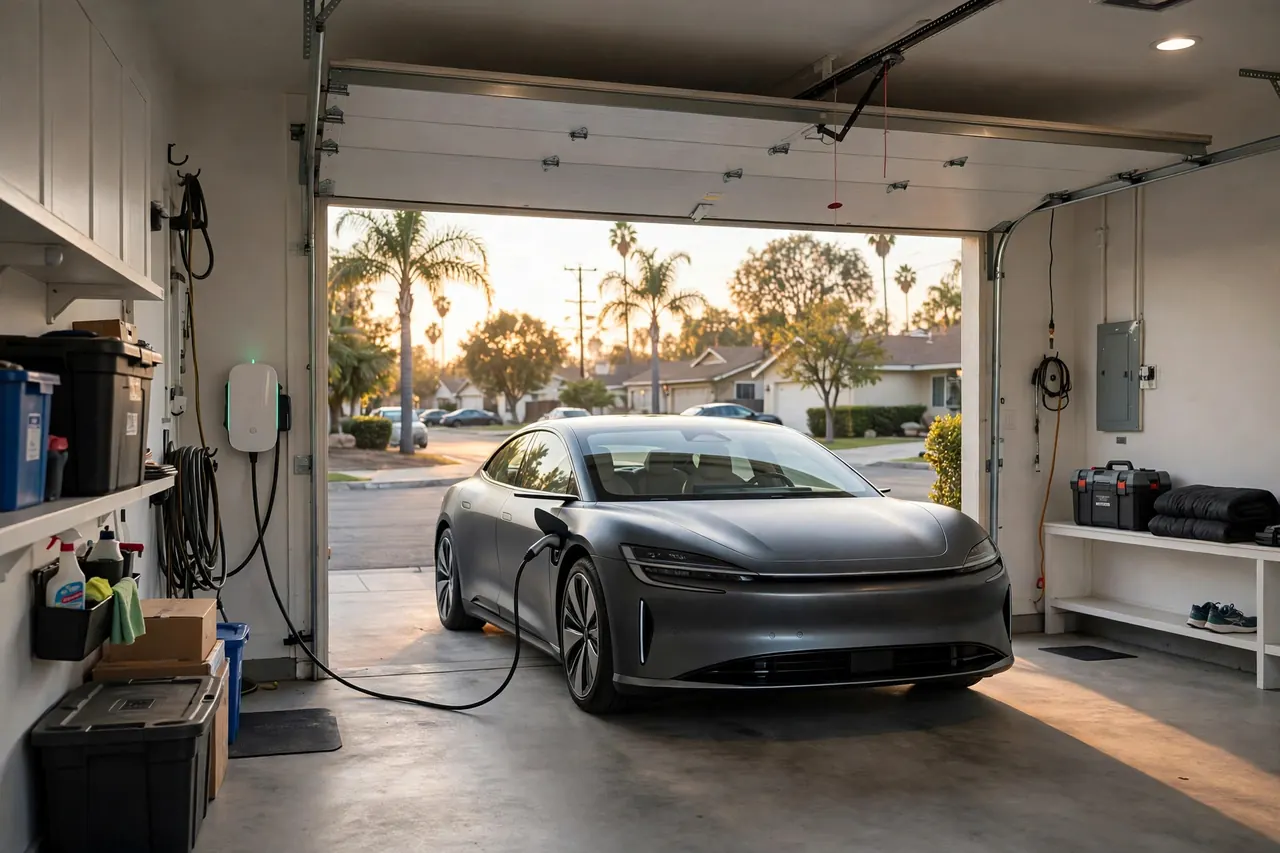 Los Angeles, CA
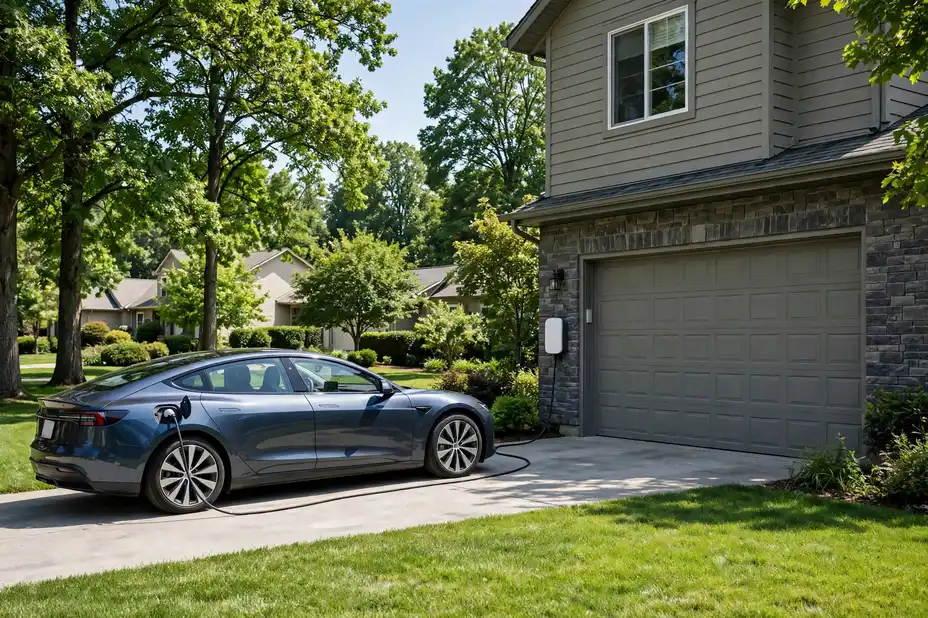 San Francisco, CA
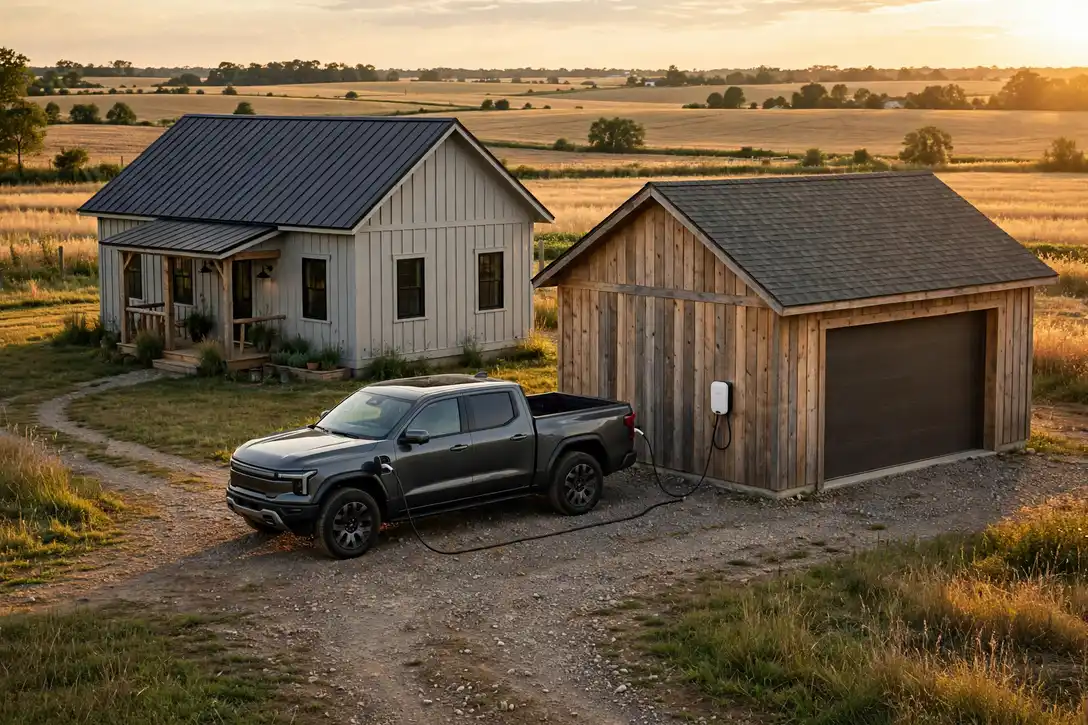 New York, NY
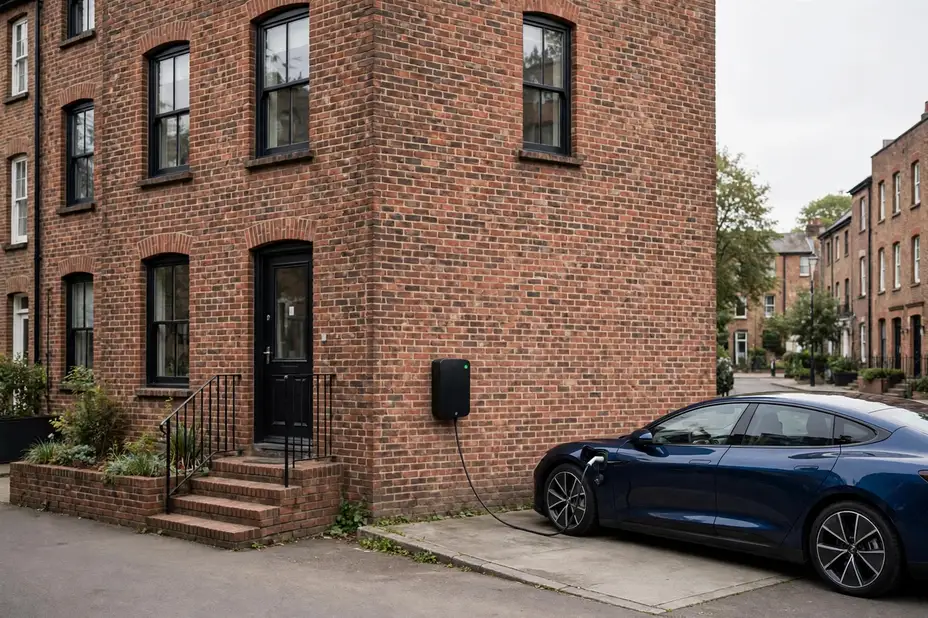 Seattle, WA
 Miami, FL
 San Diego, CA
 Phoenix, AZ
 Atlanta, GA
 Dallas, TX
 Washington, DC
 Sacramento, CA
 Denver, CO
 Portland, OR
 Houston, TX
 Riverside, CA
 Chicago, IL
 Boston, MA
 Austin, TX
 Las Vegas, NV
 Orlando, FL
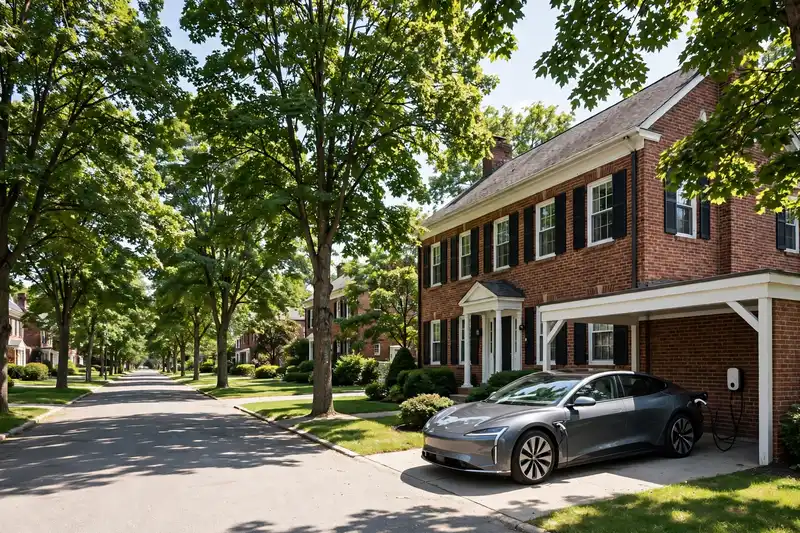 Detroit, MI
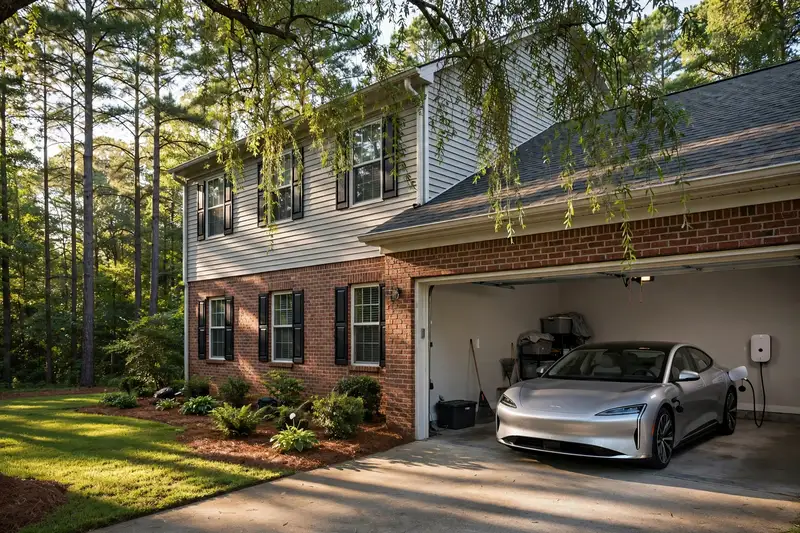 Charlotte, NC
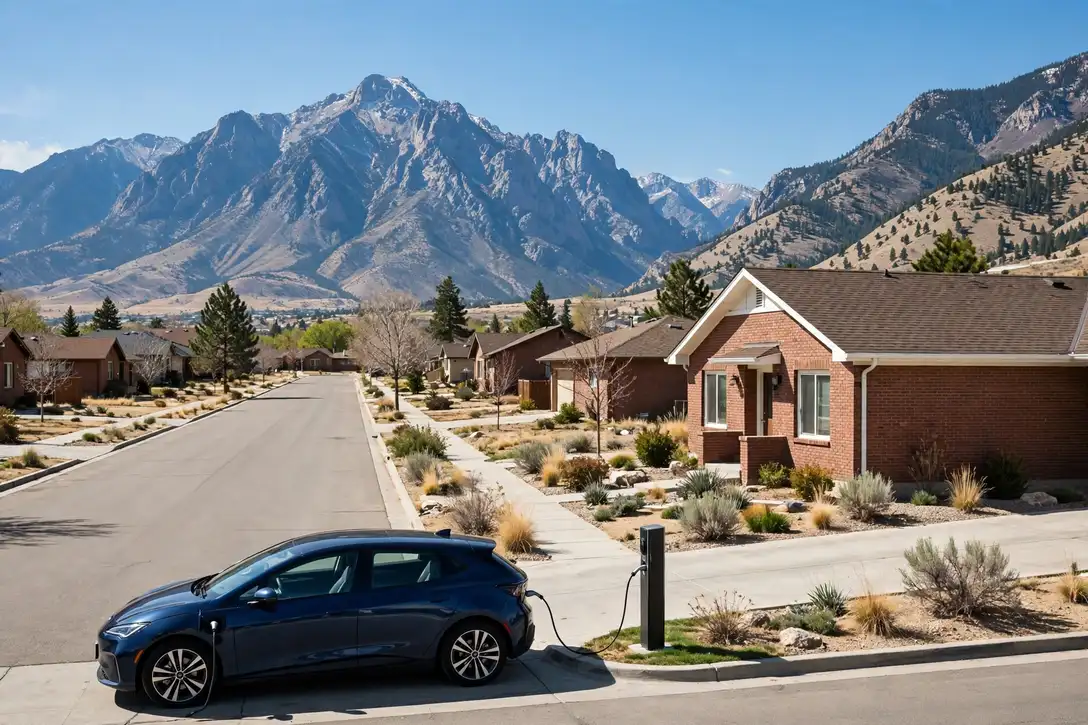 Salt Lake City, UT
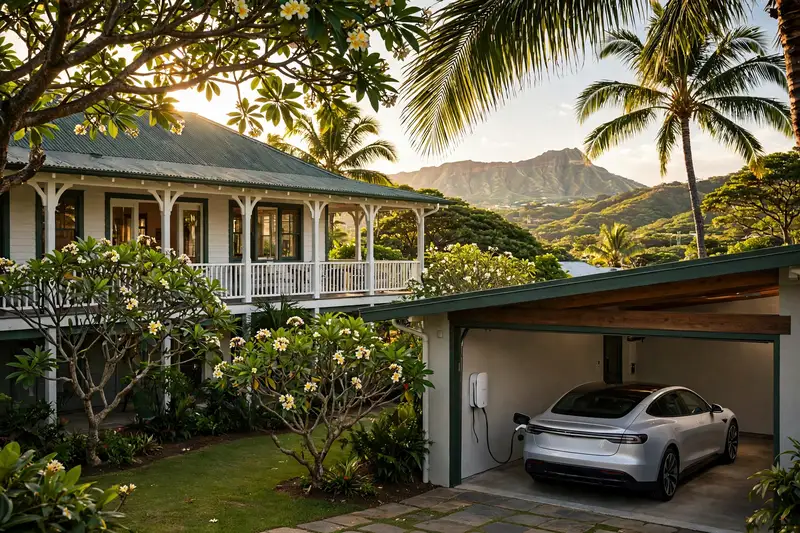 Honolulu, HI
 Nashville, TN
 Tampa, FL
 Minneapolis, MN
 Raleigh, NC
 San Antonio, TX
 San Jose, CA
Every one of the 300 metro areas in the network has a local page with its utility, law and housing profile — start from your state and city index.
Frequently asked questions
What does a commercial ev charging installation job actually involve?
Commercial installs add networked stations, payment and access control, ADA and signage requirements, and utility make-ready programs that can fund the infrastructure side. The design question is dwell time: stations are sized to how long vehicles actually sit. The electrical side is always permitted work: a load calculation first, then the circuit and equipment, then inspection.
Who performs the work?
Local, licensed tradespeople — electricians and dedicated EV installers — matched to your city for this kind of work. Our role ends at a good introduction and good information; the contract, the permit and the workmanship for your commercial ev charging installation are theirs.
Are there rebates for this work?
Sometimes — for commercial ev charging installation, the live money layer is utility and state programs, listed city by city on our local pages with sources and as-of dates. The federal 30C charger credit ended on September 30, 2025, and we never present it as available.
Do I need a permit?
It is. Charger circuits are permitted, inspected electrical work — not an appliance purchase. Whoever quotes you should name the permitting step without being asked; whoever omits it is estimating a different job than the one you will own. For commercial ev charging installation the filing names the circuit and the station it feeds.
Can this be combined with other electrical work?
It is one of the better economies in electrical work. Any job that opens the panel or the walls makes the neighbouring jobs — commercial ev charging installation included — cheaper to add: one load calculation, one permit, one visit.
How do I start?
Request an installer from any page on this site or call — and say it is commercial ev charging installation you are after. Tell us the property type and what you already know about your panel; it makes the first conversation shorter and the quote sharper.
Should we build for today's vehicles or for growth?
Build the infrastructure for growth and the stations for today. Conduit, service capacity and stub-outs are at their least disruptive while the ground is already open and the electricians are mobilised; stations themselves can be added in an afternoon each as demand proves out. The reverse sequence — full station count on minimal infrastructure — strands the project the first time demand outgrows the service.
How is the electricity accounted for when drivers charge?
Networked stations meter each session, and the site chooses the recovery model: complimentary charging as an amenity, per-session or per-kilowatt-hour billing where state rules allow resale, or payroll- and tenant-account arrangements for fleets and multifamily sites. The metering and the policy are set at commissioning — and the utility's demand pattern is part of the same conversation, since how vehicles are scheduled matters as much as how they are billed.
Related services
Home EV Charger Installation
A dedicated 240-volt charging station installed where you park — assessed, permitted and inspected, sized to your vehicle and your panel.
Level 2 Charger Installation
The 240-volt upgrade that takes charging from an overnight trickle to a full battery by morning.
Dedicated Circuit & Electrical Panel Upgrade
When the panel cannot carry a charger on top of everything else, the circuit or the service itself has to grow first.
Book commercial ev charging installation locally
Your city's page carries the utility, law and housing facts for this service — or send the request now.