Multifamily & Condo EV Charging
Charging in condominiums, HOA communities and apartment buildings — including the approval process, not just the wiring.
Multifamily charging succeeds or fails on the paperwork: association approval, assigned-space metering, cost allocation and, in right-to-charge states, the statute that governs the request. The technical design — shared circuits, load management, submetering — follows the approval route.
Charging in condominiums, HOA communities and apartment buildings — including the approval process, not just the wiring. Scope varies by property: a single-family garage, a condominium with an association in the loop, and a workplace car park are three different projects that happen to share equipment. The pages below — and the city pages that carry your utility, law and housing facts — are how we keep the advice specific instead of generic.
How it works
1. Tell us the job
Service, city and ZIP, property type, and anything you already know — panel size, where the car parks, whether an HOA is involved. Two minutes, no obligation.
2. Local installers respond
Licensed electricians and EV-installer companies who cover your city look over the request and contact you directly to arrange a site visit.
3. Site visit and written quote
The installer checks the panel, measures the wire run, confirms placement and permits, and quotes the job in writing. The local pages on this site exist so you can judge that quote against your utility, your law and your housing stock.
4. Install, inspection, charging
Work is done under permit where required, inspected, and the station is configured to the circuit it sits on. You keep the paperwork; the car charges overnight.
What decides the shape of the job
The panel. A charger is a continuous load, sized at 125% of its draw. Whether your service has honest room for that — or needs a panel upgrade or a load-management device — is the first technical question, and it is answered by a load calculation, not a guess.
The run. Distance and route from panel to parking decide materials and labour: through a shared wall is one job; across a finished basement or a detached garage is another.
The property. Owner-occupied houses are the simple case. Condos, HOA communities and rentals add an approval layer; in the states with right-to-charge laws that layer has statutory rules, and our city pages state your state's position plainly — including where no such law exists.
The utility. Time-of-use rates decide what charging costs you month to month, and some utilities currently fund part of the equipment or the wiring. City pages carry the current, sourced position for your metro.

The technical core, in plain terms
Load calculation first. The National Electrical Code treats EV charging as a continuous load — it runs for three hours or more at full draw — so the circuit is sized at 125% of the charger's output, and the service as a whole is checked with an NEC Article 220 calculation before anyone promises a circuit size. That calculation, done on your actual panel and your actual other loads, is the document the whole job hangs from. When an installer skips it, every later number is a guess wearing a uniform.
Equipment matched to the circuit, not the brochure. A charging station's headline rate is a ceiling, not a setting: the station is configured — by switch, dial or software — to the circuit it actually sits on. A 48-amp station on a 60-amp circuit and the same station dialled to 32 amps on a 40-amp circuit are both correct installations; the sin is a mismatch, in either direction. This is also why the car rarely gets a vote: most vehicles accept Level 2 power at rates the residential circuits above already cover, and charging speed at home is governed by the circuit and the station's configuration, not by the badge on the car.
Protection and placement. Modern code cycles require ground-fault protection for the circuit — increasingly delivered by the breaker — and the installation's permanence is why the work is permitted and inspected rather than treated as an appliance drop-off. Placement is engineering too: cable reach to the charge port in the car's real parking position, clearance from water and impact, and ventilation where the climate demands it. A good installer discusses all three before the drill comes out, because all three are expensive to revisit after the inspection sticker is on.
Multifamily & Condo EV Charging: the job, step by step
A multifamily project opens with two audits in parallel. The electrical audit reads the building's service, its spare capacity at the evening peak, and the routes power can physically take to the parking. The governance audit reads the documents: the declaration and bylaws, the parking assignments, the community's capital calendar and — in the states that have one — the right-to-charge statute's exact terms. Projects that skip the second audit design beautiful systems that die in a committee meeting.
Design then answers the questions boards actually ask. Where does the power come from — the owner's own meter where parking and meters align, or the common service with submetering? How is each driver's energy measured and paid for? How does the system grow from the first two stations to the tenth without reopening the electrical room? Load management is the hinge of most designs: it lets a fixed building service serve a growing row of stations by sharing capacity across them intelligently.
Approval and build run in that order. The application package — equipment listing, circuit design, installer licence and insurance, the metering plan, the restoration commitment — goes to the board complete, because an incomplete package is a deferred one and board calendars are monthly. After approval, the electrical work is ordinary permitted work, phased space by space, and the commissioning includes the billing and access setup, so the first driver charges under the agreed rules from the first night.
Code, capacity and the details installers check
The legal layer is statute plus documents. About nineteen jurisdictions have right-to-charge laws; their common shape is that an association may not prohibit an owner's station outright, may impose reasonable conditions on placement, insurance and restoration, and leaves the cost with the owner — with real variation on renters, deadlines and what counts as reasonable. Texas and Arizona have no such law, and this site's city pages say so plainly rather than borrowing a neighbour's statute. Where no statute governs, the covenants do, and the application package is the argument.
The electrical layer is the building's arithmetic. A multifamily service is calculated under NEC Article 220 for the whole building, and a row of chargers is a continuous load added to a service that already peaks on winter evenings. Energy management systems recognised by 220.70 are what make the sums work: the managed group's ceiling, not the sum of nameplates, enters the calculation. Metering follows the design — utility meters where the utility offers the arrangement, submeters or networked station metering where it does not — each with its own rules about who may bill whom for energy, which in some states only the utility may do.
Life-safety and construction details round out the compliance picture: firestopping where runs pass between units and floors, working clearances in electrical rooms, ventilation and clearance rules in enclosed garages, and accessible spaces where the community provides them. None of it is exotic — but all of it is inspected, and designs that ignore it are revised at the community's expense in calendar time.

What shapes the scope of this job
The parking geometry decides the civil scope: assigned deeded spaces near the electrical room are one project; a shared surface lot across the property is another, with trenching, bollards and lighting in between. The metering architecture is the second shaper — runs from individual unit meters are simple to bill and long to wire; a common feed with submetering is the reverse. Boards that choose with both numbers in front of them choose once.
Phasing is the third. A design that stubs capacity and conduit for the community's five-year adoption curve during the first project lets each later station arrive as a small job; a design sized for the first applicant alone makes every successor reopen the same walls. The application calendar matters too — aligning the electrical work with the community's planned repaving, panel or roofing projects shares mobilisation and trenching with work already budgeted.
When the second applicant arrives
The second application is the moment a community's charging story is decided. Handled inside a framework adopted after the first — a policy, a backbone design, a metering standard — it is an administrative act: the new owner joins the system on the published terms, the electrical work is a variation on work already done, and the board's involvement is a signature. Handled without one, it is a fresh negotiation that relitigates every settled question, with the first owner's installation now Exhibit A in an argument about fairness.
The backbone is what makes the difference physical. Capacity and conduit installed ahead of demand — during the first project, at the first project's marginal effort — mean later stations arrive as small, predictable jobs whose scope the community has already seen. Communities that fund the backbone from the first project, whether by the applicant, the association or a split, are buying every successor's discount at once. It is the single most valuable design decision in this sector, and it is only available early.
Records are the third leg. A community that keeps the charging file — the policy, the capacity study, each installation's permit and metering arrangement, the queue of interested owners — can answer its own future questions in a meeting instead of a season. Boards change; the file is the institution's memory. The communities that struggle with charging in year three are almost never the ones with electrical problems; they are the ones whose year-one decisions were never written down.
Insurance and liability, the boardroom's favourite detour, deserve a factual paragraph rather than a fearful one. A permitted, inspected installation by a licensed electrician, with the association named appropriately in the paperwork where its counsel advises, is an ordinary insured fact of the property — buildings carry rooftop units, boilers and vehicle lifts on the same basis. The risk profile that should concern a board is the unpermitted alternative: the extension arrangements and informal taps that proliferate precisely when a community has no legitimate path. Frameworks are not merely convenient; they are how a property keeps its electrical life inside its insurance.
Three properties, three different jobs
The straightforward house. Owner-occupied, panel in or near the garage, car parked inside or on the adjacent driveway. This is the install the industry is organised around: one calculation, one circuit, one inspection, charging the same week in most metros.
The attached home with an association. Townhouses, condos and HOA suburbs add the approval layer — and the layer is lawful, bounded and navigable. In right-to-charge states the statute sets the terms; elsewhere the application package does. Either way, the electrical work itself is identical once approval lands; what changes is the calendar and the paperwork, and both belong in the quote from the start.
The property that earns. Rentals, workplaces and multifamily buildings turn the same equipment into an asset decision: who pays for the electricity, how access is controlled, how the cost is recovered, and how the installation scales from the first station to the tenth. The engineering is a superset of the house job — load management stops being optional — and the planning questions in our city and service pages are written for exactly this case.

Where this service is booked most
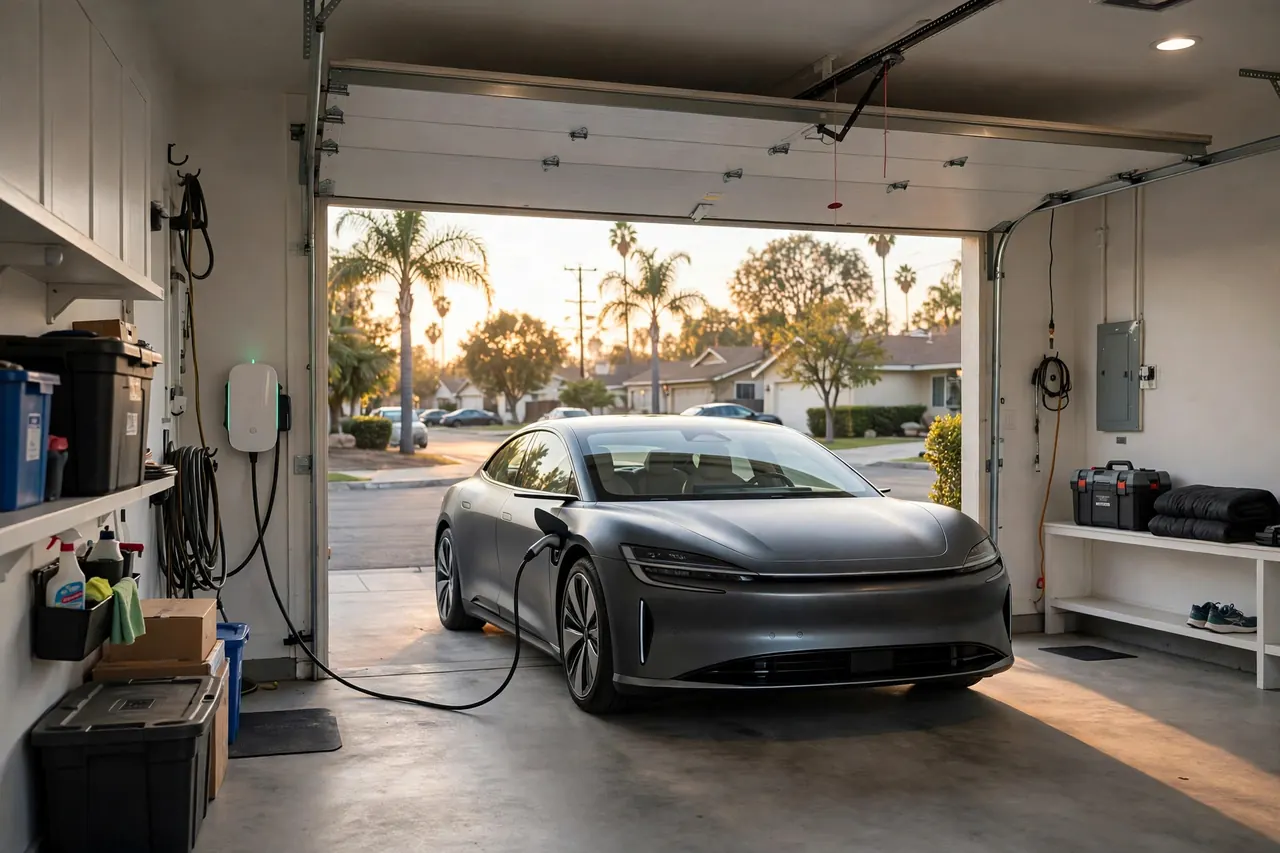 Los Angeles, CA
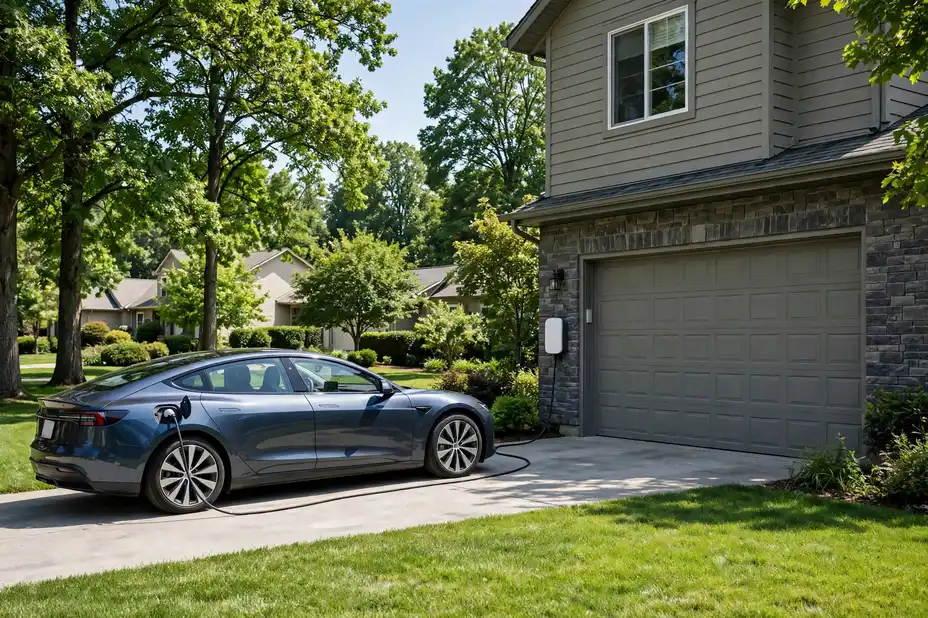 San Francisco, CA
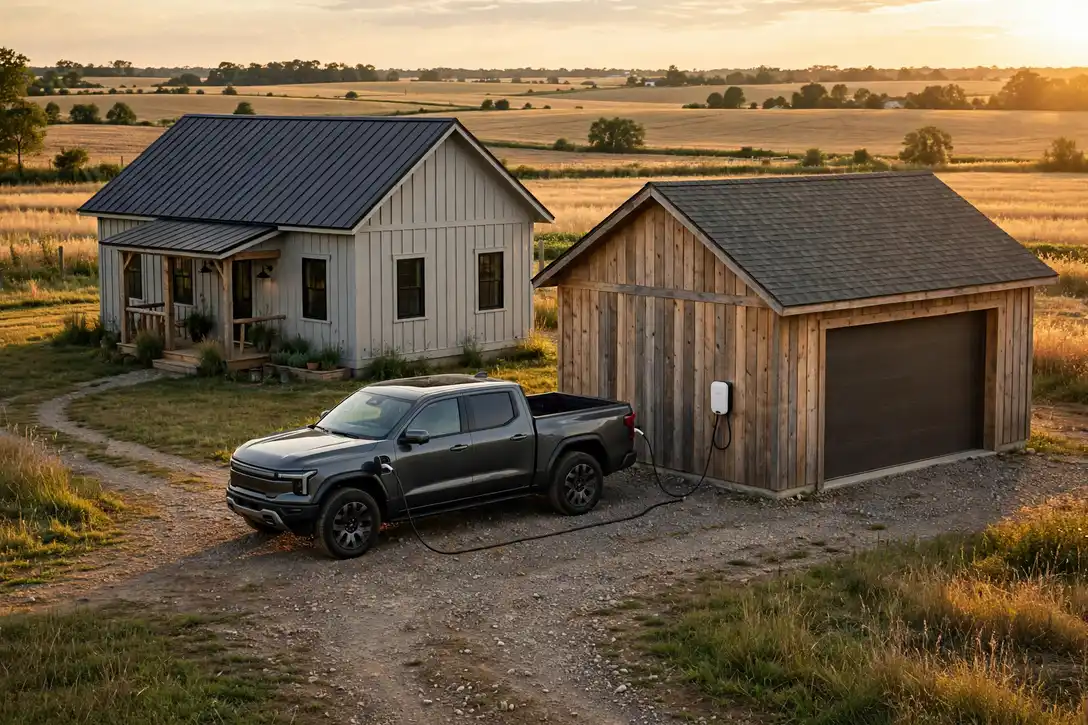 New York, NY
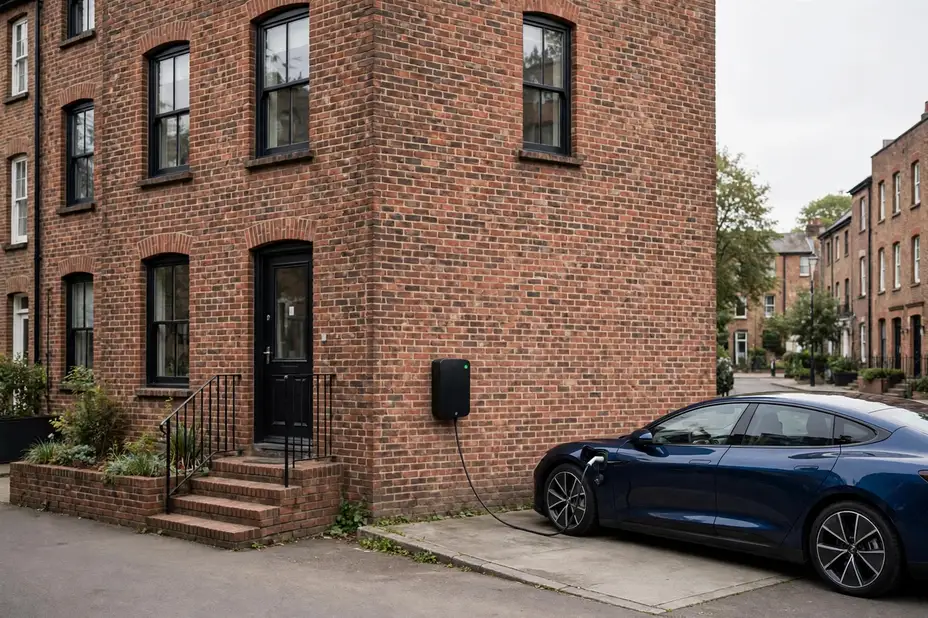 Seattle, WA
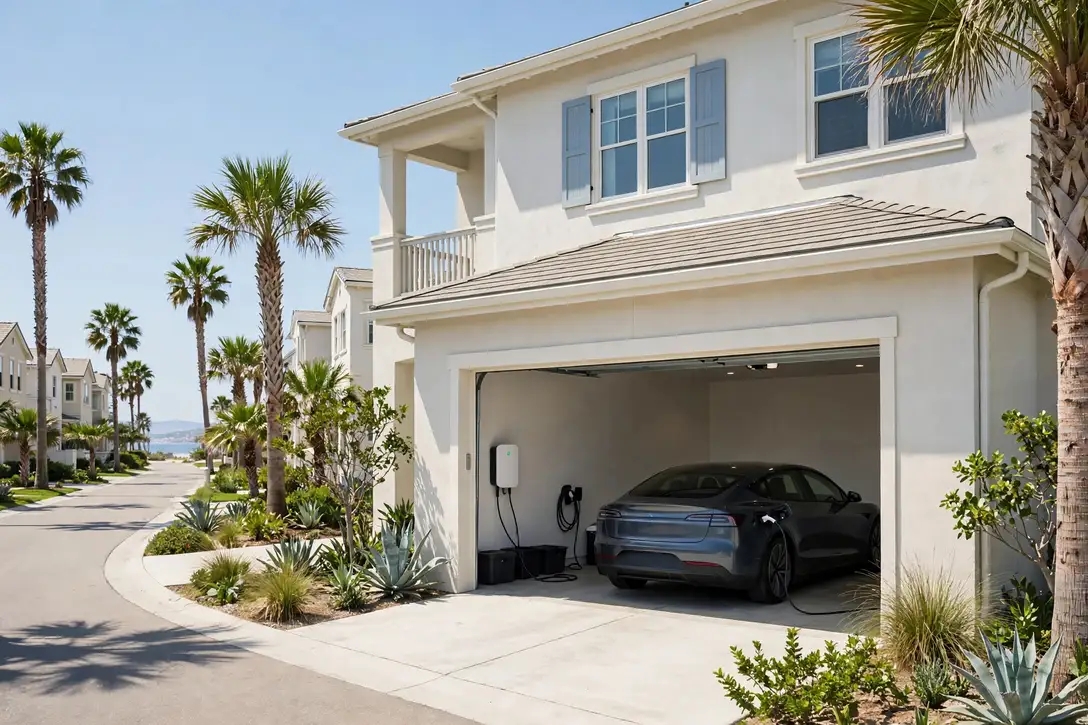 Miami, FL
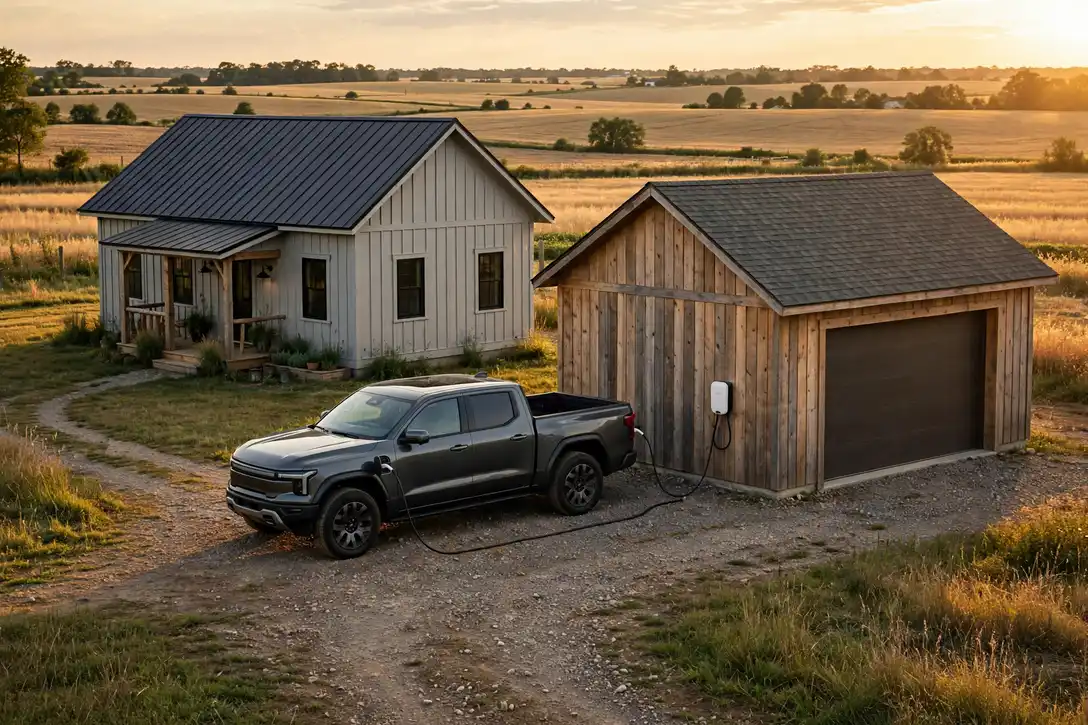 San Diego, CA
 Phoenix, AZ
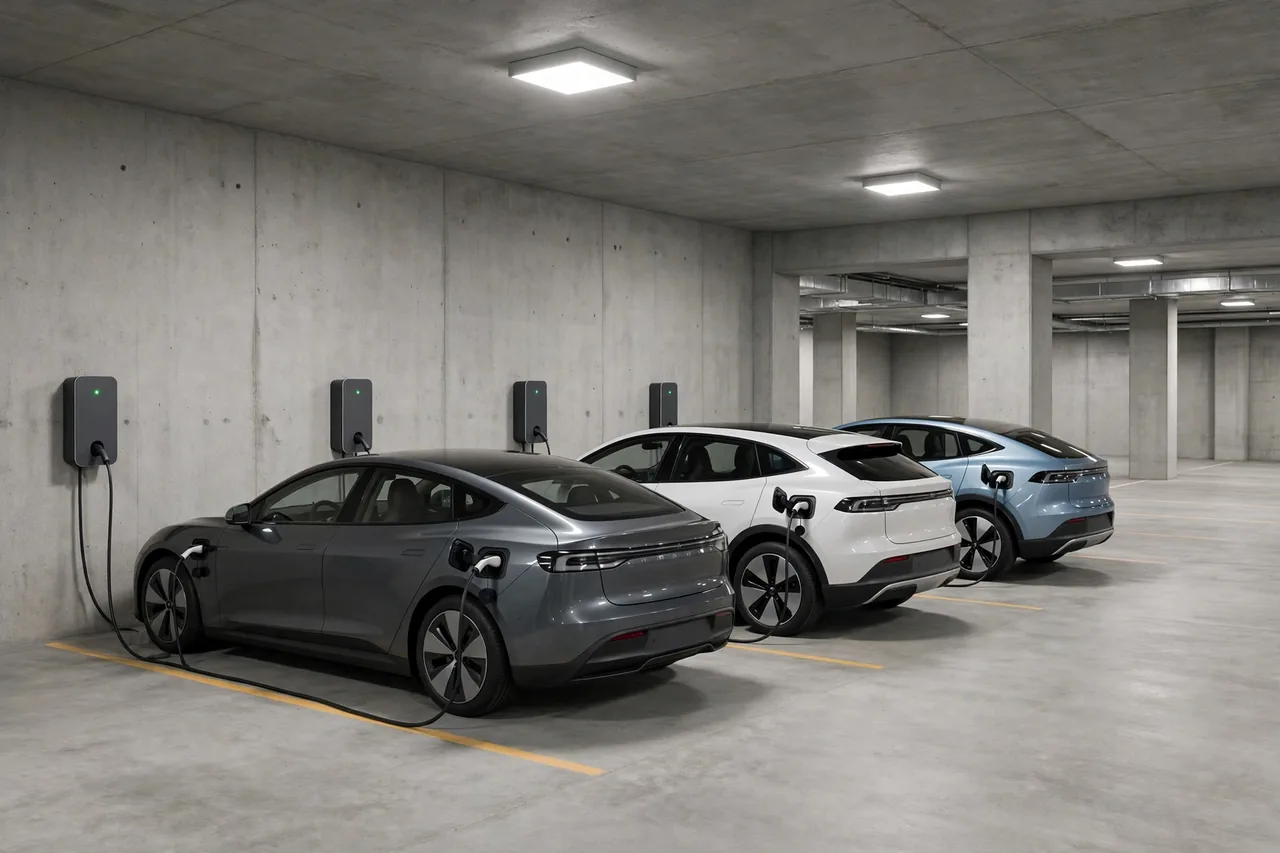 Atlanta, GA
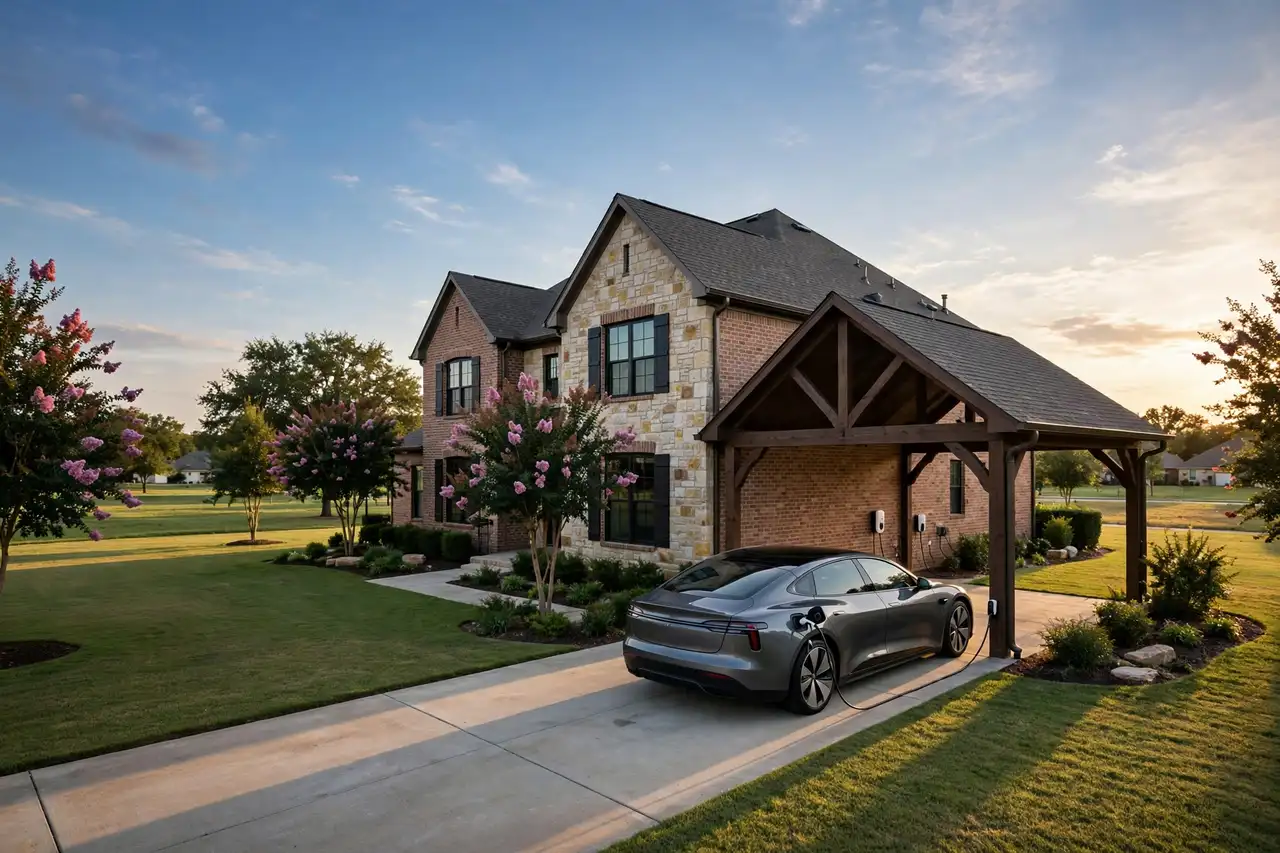 Dallas, TX
 Washington, DC
 Sacramento, CA
 Denver, CO
 Portland, OR
 Houston, TX
 Riverside, CA
 Chicago, IL
 Boston, MA
 Austin, TX
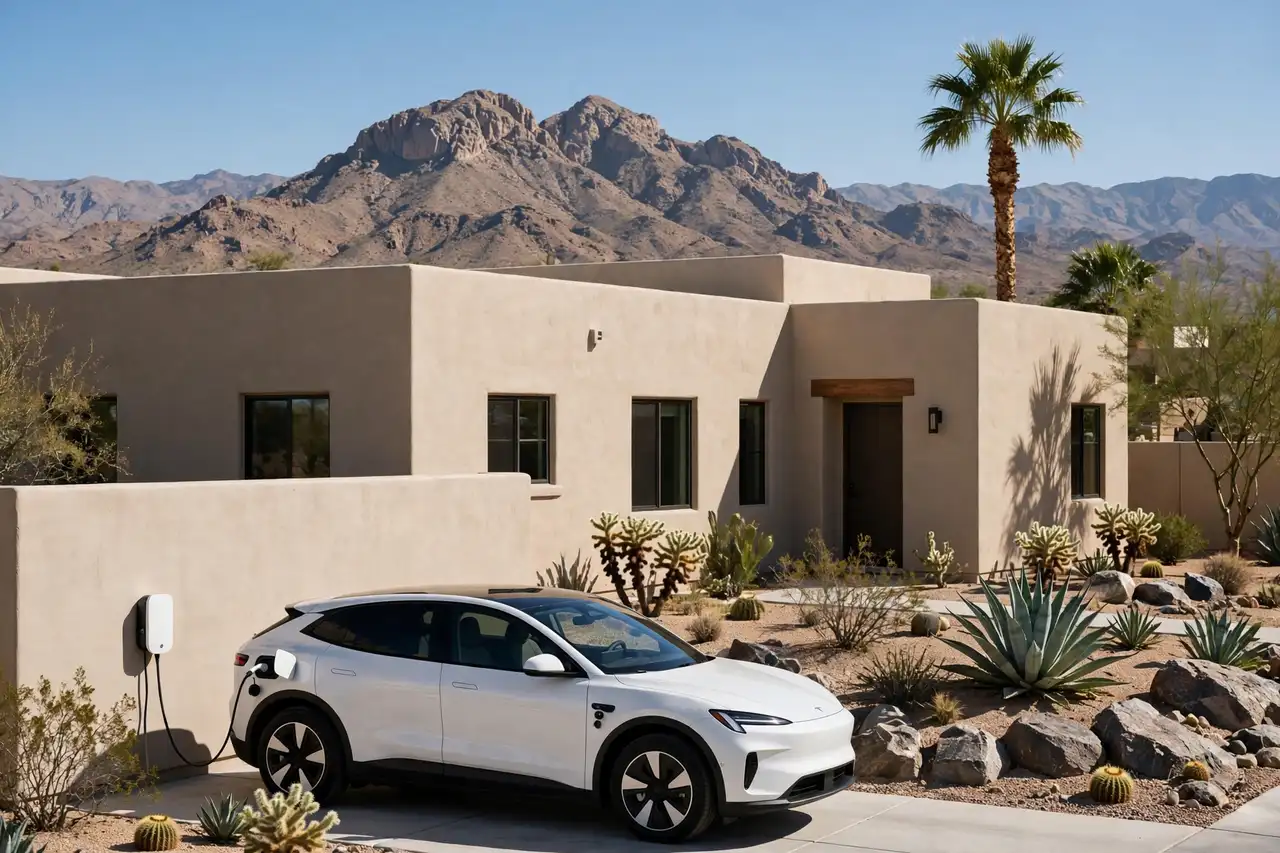 Las Vegas, NV
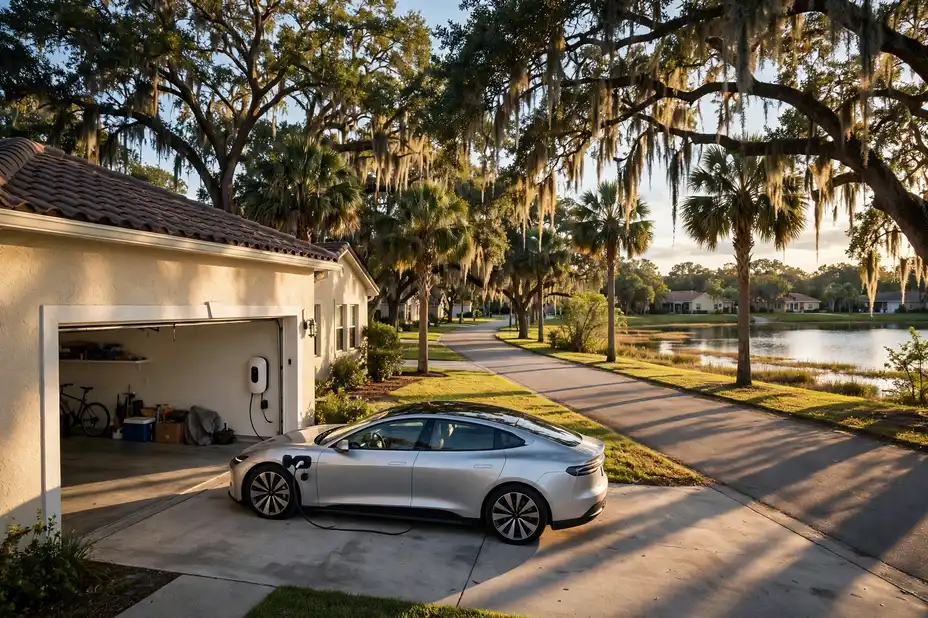 Orlando, FL
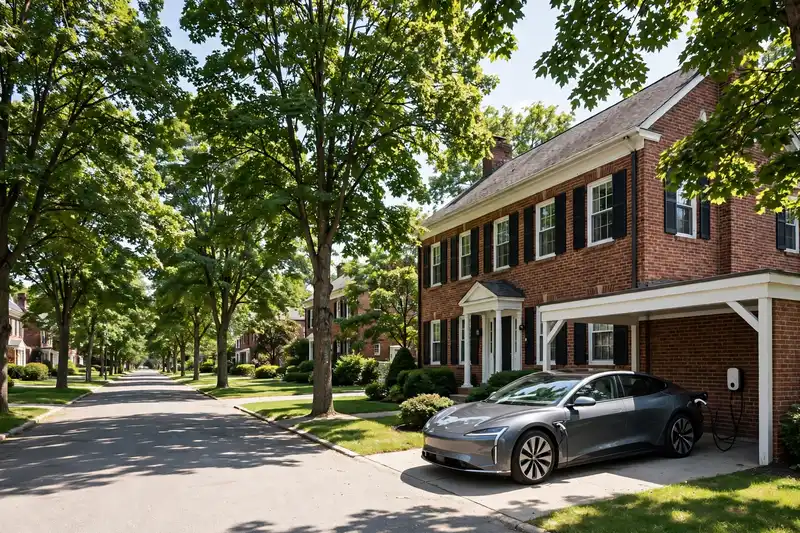 Detroit, MI
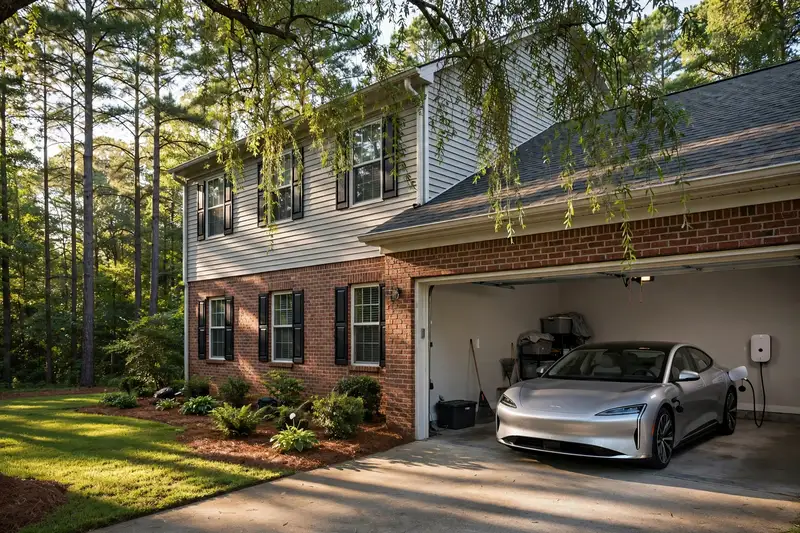 Charlotte, NC
 Salt Lake City, UT
 Honolulu, HI
 Nashville, TN
 Tampa, FL
 Minneapolis, MN
 Raleigh, NC
 San Antonio, TX
 San Jose, CA
Every one of the 300 metro areas in the network has a local page with its utility, law and housing profile — start from your state and city index.
Frequently asked questions
What does a multifamily & condo ev charging job actually involve?
Multifamily charging succeeds or fails on the paperwork: association approval, assigned-space metering, cost allocation and, in right-to-charge states, the statute that governs the request. The technical design — shared circuits, load management, submetering — follows the approval route. The electrical side is always permitted work: a load calculation first, then the circuit and equipment, then inspection.
Who performs the work?
The work is done by licensed electricians and installer companies in your metro who take multifamily & condo ev charging jobs through the network. PlugReady USA matches and routes the request; the visiting installer is the contracting party, on the permit and on the paperwork.
Are there rebates for this work?
Sometimes — for multifamily & condo ev charging, the live money layer is utility and state programs, listed city by city on our local pages with sources and as-of dates. The federal 30C charger credit ended on September 30, 2025, and we never present it as available.
Do I need a permit?
Yes — the circuit, not the wall unit, is what gets permitted and inspected. Treat the permit line as the quote's certificate of seriousness: present, the job is the real one; missing, ask what else is missing. For multifamily & condo ev charging the filing names the circuit and the station it feeds.
Can this be combined with other electrical work?
Frequently, and your installer will likely suggest it when quoting multifamily & condo ev charging: capacity work, circuits and rough-in share the same site visit, the same calculation and often the same permit. Ask while the scope is still on paper.
How do I start?
Request an installer from any page on this site or call — and say it is multifamily & condo ev charging you are after. Tell us the property type and what you already know about your panel; it makes the first conversation shorter and the quote sharper.
Who pays for the electricity in a shared parking setup?
Whoever the design says — and the design is chosen deliberately. The cleanest arrangements meter each station's energy to its user, through the owner's own meter where the layout allows, a submeter, or the networked station's own metering with billing administered by the community or a platform. What boards will not accept, rightly, is unmetered charging on common power; every approved design in this sector starts with the metering answer.
Our building's electrical service looks full. Does that end the conversation?
Usually not. A building's nameplate arithmetic and its managed reality are different numbers: load management caps the charging group's draw at what the service can spare, and charging peaks overnight, when the building's other loads are at their lowest. The feasibility study measures the actual load profile before concluding — communities are regularly surprised in the pleasant direction.
Related services
Home EV Charger Installation
A dedicated 240-volt charging station installed where you park — assessed, permitted and inspected, sized to your vehicle and your panel.
Level 2 Charger Installation
The 240-volt upgrade that takes charging from an overnight trickle to a full battery by morning.
Dedicated Circuit & Electrical Panel Upgrade
When the panel cannot carry a charger on top of everything else, the circuit or the service itself has to grow first.
Book multifamily & condo ev charging locally
Your city's page carries the utility, law and housing facts for this service — or send the request now.