EV Charger Installation in Michigan
112,600 battery-electric vehicles and 42,100 plug-in hybrids were registered in Michigan through 2025. This hub indexes the state's metro pages and states its law and incentive position plainly.
154,700 plug-in vehicles were registered in Michigan through 2025. Behind that number is a practical pattern: adoption concentrates where the metros are, installers build their rounds around those metros, and permit counters in them process charger applications weekly. This hub exists to route you from the state picture to the city page that matches your address.
Across the 3 Michigan city pages on this hub, the median year a home was built runs from 1946 to 1962 (Census Bureau survey figures for each city) — a spread that explains why the panel conversation differs so much inside one state. The electric utilities that appear most often across these metros, per EIA service-territory records, are DTE Electric Company, Consumers Energy Co. Each city page names its own utility and its current charger-program position.
How installs play out across Michigan follows from that spread. Newer subdivisions at the metros' edges usually take a charger circuit directly; established in-town neighbourhoods start with the panel question; the state's multifamily stock runs through the law section above. The city pages carry the version of each answer that applies to your streets.
One process note applies statewide: the permit belongs to the property, not the installer. Whoever you hire in Michigan, the filing, the inspection and the record should end the job in your hands — the city pages below name the authority for each metro so you can verify the trail yourself.
Coverage arithmetic for Michigan: the 3 metro pages on this hub span 94 ZIP codes across 5 counties, and the covered cities alone account for 959,299 residents in the Census Bureau's survey count. The largest covered metro is Detroit (metro population 4,350,000); the smallest is Lansing (550,000) — different scales of market, one shared statute book, and city pages written to each metro's own housing, utility and permit facts rather than to a state average that describes nowhere in particular.
Read the hub as an index, not an essay: the law and program sections above state Michigan's position once, carefully; the city pages below carry the per-metro detail — 2 primary utilities appear across these metros, each with its own tariff habits and program status, which is precisely why this site refuses to print one utility story for a whole state.
A note on choosing installers in Michigan: the state is not short of electricians, but charger work concentrates in the metros on this hub, and concentration is what you are shopping for — recent permits, a site visit that starts at the panel, and paperwork that closes properly. The city pages exist to help you test exactly that.
The hub's spread runs from Detroit (rank 21 of 300, Tier A) through to Lansing (rank 95) — a reminder that Michigan is several charging markets sharing one statute book, not one market with several names. That is the organising idea of the whole site, applied at state scale.
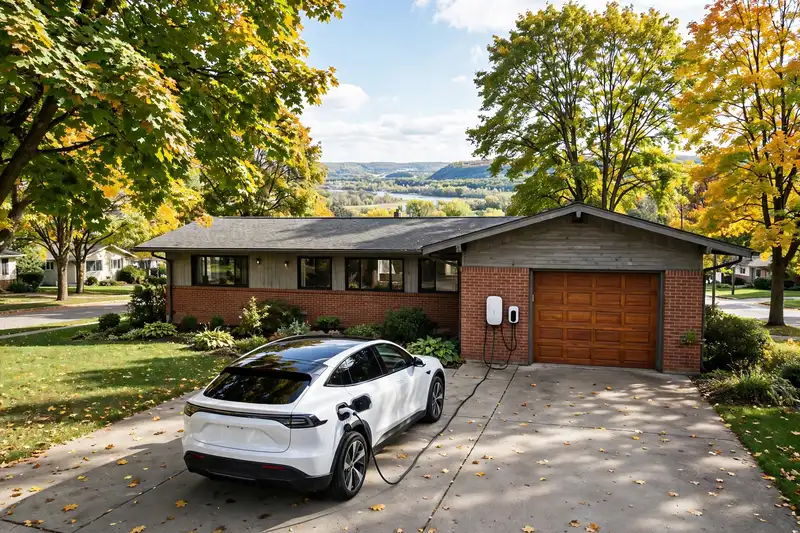
Michigan metro areas
Open a metro below to read its own city page — the utility programs, law, permit process and housing facts for that ground, sourced and dated, rather than a state average.
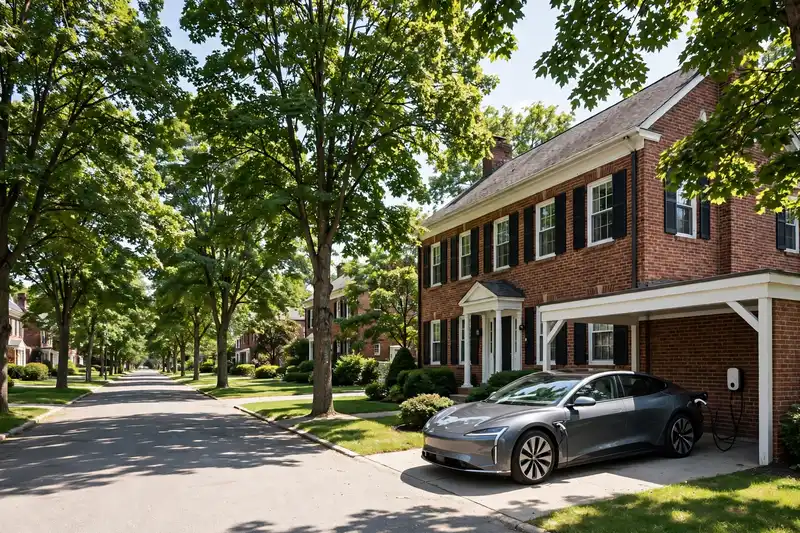
Condos, HOAs and Michigan law
Michigan has a right-to-charge law (Homeowners' Energy Policy Act, MCL 559.305 (eff. Apr 2, 2025)). Associations cannot prohibit an owner's charger outright; reasonable conditions on placement, insurance and restoration still apply, and the owner carries the cost. Coverage for renters is recorded as: Owners (HOA). Each city page below applies the statute to its metro, and our condo and HOA guide walks through the application process.
Charger incentives in Michigan
No verified statewide or utility charger program is listed for this state in the sources checked — city pages carry the per-metro utility position, including where a program exists at utility level. The federal 30C charger credit ended on September 30, 2025.
Most-booked services in Michigan
 Home EV Charger Installation
 Level 2 Charger Installation
 Dedicated Circuit & Electrical Panel Upgrade
 Wall Connector Installation
Frequently asked questions
How many electric vehicles are registered in Michigan?
Through 2025, 112,600 battery-electric vehicles and 42,100 plug-in hybrids were registered in Michigan (AFDC 2025 registration counts). Every one of them is a household or fleet that charges somewhere — the demand this hub's city pages are organised around.
Does Michigan have a right-to-charge law?
Yes — Homeowners' Energy Policy Act, MCL 559.305 (eff. Apr 2, 2025) gives owners in association communities a statutory route to a charging station in their own space, subject to reasonable conditions on placement, insurance and restoration, with the owner carrying the cost. Coverage for renters is recorded as: Owners (HOA).
Are there EV charger rebates in Michigan?
No verified statewide charger program is listed for Michigan in the sources checked for this site, and the federal 30C credit ended on September 30, 2025. Some utilities run local programs — each city page on this hub carries its metro's utility position with sources and as-of dates.
Which Michigan cities have their own pages?
This hub indexes 3 metro areas in the network's top-300 ranking, led by Detroit, Grand Rapids, Lansing. Each city page carries that metro's own utility, permit and housing facts rather than a state-level average.
Do I need a permit for a home charger in Michigan?
Yes — a new 240-volt circuit is permitted, inspected electrical work. The filing runs through your city or county building or development-services department, and your installer pulls it as a routine part of the job; the passed inspection record is the proof you keep.
Keep exploring
Full index: all 51 states and 300 metro areas.
Charging at home in Michigan?
Pick your city above for the local numbers, or request an installer now.