Wall Connector Installation
Professional mounting and connection of an owner-supplied wall connector, configured to the circuit it lands on.
Many owners buy their wall connector with the vehicle and need a licensed installer for the electrical side: circuit, mounting, torque and configuration, and the inspection that closes the permit. Amperage settings must match the installed circuit, not the box's maximum.
Professional mounting and connection of an owner-supplied wall connector, configured to the circuit it lands on. Scope varies by property: a single-family garage, a condominium with an association in the loop, and a workplace car park are three different projects that happen to share equipment. The pages below — and the city pages that carry your utility, law and housing facts — are how we keep the advice specific instead of generic.
How it works
1. Tell us the job
Service, city and ZIP, property type, and anything you already know — panel size, where the car parks, whether an HOA is involved. Two minutes, no obligation.
2. Local installers respond
Licensed electricians and EV-installer companies who cover your city look over the request and contact you directly to arrange a site visit.
3. Site visit and written quote
The installer checks the panel, measures the wire run, confirms placement and permits, and quotes the job in writing. The local pages on this site exist so you can judge that quote against your utility, your law and your housing stock.
4. Install, inspection, charging
Work is done under permit where required, inspected, and the station is configured to the circuit it sits on. You keep the paperwork; the car charges overnight.
What decides the shape of the job
The panel. A charger is a continuous load, sized at 125% of its draw. Whether your service has honest room for that — or needs a panel upgrade or a load-management device — is the first technical question, and it is answered by a load calculation, not a guess.
The run. Distance and route from panel to parking decide materials and labour: through a shared wall is one job; across a finished basement or a detached garage is another.
The property. Owner-occupied houses are the simple case. Condos, HOA communities and rentals add an approval layer; in the states with right-to-charge laws that layer has statutory rules, and our city pages state your state's position plainly — including where no such law exists.
The utility. Time-of-use rates decide what charging costs you month to month, and some utilities currently fund part of the equipment or the wiring. City pages carry the current, sourced position for your metro.

The technical core, in plain terms
Load calculation first. The National Electrical Code treats EV charging as a continuous load — it runs for three hours or more at full draw — so the circuit is sized at 125% of the charger's output, and the service as a whole is checked with an NEC Article 220 calculation before anyone promises a circuit size. That calculation, done on your actual panel and your actual other loads, is the document the whole job hangs from. When an installer skips it, every later number is a guess wearing a uniform.
Equipment matched to the circuit, not the brochure. A charging station's headline rate is a ceiling, not a setting: the station is configured — by switch, dial or software — to the circuit it actually sits on. A 48-amp station on a 60-amp circuit and the same station dialled to 32 amps on a 40-amp circuit are both correct installations; the sin is a mismatch, in either direction. This is also why the car rarely gets a vote: most vehicles accept Level 2 power at rates the residential circuits above already cover, and charging speed at home is governed by the circuit and the station's configuration, not by the badge on the car.
Protection and placement. Modern code cycles require ground-fault protection for the circuit — increasingly delivered by the breaker — and the installation's permanence is why the work is permitted and inspected rather than treated as an appliance drop-off. Placement is engineering too: cable reach to the charge port in the car's real parking position, clearance from water and impact, and ventilation where the climate demands it. A good installer discusses all three before the drill comes out, because all three are expensive to revisit after the inspection sticker is on.
Wall Connector Installation: the job, step by step
Owner-supplied equipment changes the first step, not the standard: the unit comes out of its box and is checked before anything is drilled. The installer confirms the model, its listing and its installation manual, and — the step that defines this service — the maximum circuit the unit can be configured for against the circuit your panel can actually give it. A connector capable of the highest residential rate is not promised that rate; it is promised a correct configuration on the circuit that exists or the one being installed.
The electrical work follows the same discipline as any charger circuit: load calculation, breaker and conductor sizing at the continuous-load factor, the run, and terminations torqued to the manual's figures. Mounting is treated as part of the electrical design — stud or masonry fixing at the height the cable management assumes, positioned for the vehicle's port in its real parking spot, with the holster and cable route planned so the cord is not a trip line across the garage floor.
Commissioning is where this service is won or lost. The connector is configured — switch, dial or app setting — to the installed circuit, never left at a factory maximum the circuit cannot carry. Network setup, access settings and any power-sharing pairing with a second unit are completed and tested with the vehicle connected, and the configuration is recorded on the paperwork the inspection closes against. A connector left mis-configured is not a faster charger; it is a defect with a green light.
Code, capacity and the details installers check
The manual is a code document. Under NEC 110.3(B), listed equipment is installed and used according to its manufacturer's instructions, which gives the connector's configuration tables legal force: the settings that map the unit to its circuit are not preferences. Where a connector's rating exceeds 60 amps of circuit, NEC 625.43 adds a disconnecting means within sight of the equipment. And the continuous-load rule of 625.42 sizes the circuit at 125 percent of the configured output — the configured output, which is why commissioning and code compliance are the same act.
Power sharing between multiple connectors is a listed feature on many current units, and the code recognises the arrangement: an energy management system may limit the combined load, and under 220.70 the service calculation may use the managed figure. The practical conditions are that the sharing is the manufacturer's own system, configured as the manual directs, and that the shared circuit was designed for the combined managed load from the start — not discovered as an option after two full-size circuits were quoted.
A final code reality owners meet at inspection: the connector's nameplate and settings must agree with the permit. When a unit is replaced later with a different model, the configuration question reopens — a like-for-like swap on the same circuit is simple only when the new unit is set to the same rate, and raising the rate is new circuit work with a new permit, however similar the box on the wall looks.

What shapes the scope of this job
The common scope surprise is the mismatch: a connector bought for its maximum rate landing on a panel with half that headroom. The resolutions are honest ones — configure to the circuit that exists, add the capacity work, or fit load management — and choosing between them is the consultation this service exists for. The second shaper is position: the port side of the vehicle, the parking orientation and the cable length in the box decide the mount point, and moving a proposed mount across the garage can change the run by the width of the building.
Existing circuits are the third variable. A receptacle circuit left by a previous owner or a builder's rough-in may serve — after its conductor size, protection and condition are verified against the connector's requirements — or may be a 40-amp answer to a 60-amp purchase. Verification is quick; assuming is how nuisance tripping and hot receptacles are born. Where a second connector is planned, saying so now lets the first circuit be designed as the shared system it will become.
Multiple connectors, shared circuits and handovers
Second connectors are where this service's planning pays. A pair of connectors from the same family can usually share one circuit through their built-in power-sharing, dividing capacity by rule — and the circuit that serves them was either designed for that duty at the first install or it was not. The household that mentioned the second car early finds the second connector to be a mounting and configuration visit; the household that did not may find it is a new circuit. Same wall, same brand of box, entirely different scope — decided a year earlier.
Shared and semi-public settings add a different commissioning layer: access control. Connectors in shared garages, small fleets and rental properties are configured with the access rules the property wants — authorised vehicles only, scheduled availability, usage records the property can read. These are settings, not hardware, and they belong in the installation's scope from the start, because retrofitting an access policy onto a connector that has been open to all comers is a behaviour change as much as a technical one.
Handovers deserve a sentence of their own. A connector is part of the house's saleable infrastructure, and its documentation — circuit rating, configuration, permit record — should transfer with the house file. Sellers who can show the paperwork present the charger as an asset; sellers who cannot, present it as a question. The installation's final deliverable is therefore partly documentary, and it is the part most likely to be skipped by anyone in a hurry.
The connector's software life deserves a final word, because it outlasts the cable debate. Connected units receive updates that refine power sharing, scheduling and diagnostics, and the household's part is simply to keep the unit on the network it was commissioned with. An offline connector still charges — the essential function is electrical — but it stops improving, and its records stop accumulating. The installation that hands over network credentials, a configured app and a documented circuit has delivered the whole product; the one that leaves the unit blinking unconfigured on the wall has delivered most of it, which over a decade of updates is not the same thing.
Three properties, three different jobs
The straightforward house. Owner-occupied, panel in or near the garage, car parked inside or on the adjacent driveway. This is the install the industry is organised around: one calculation, one circuit, one inspection, charging the same week in most metros.
The attached home with an association. Townhouses, condos and HOA suburbs add the approval layer — and the layer is lawful, bounded and navigable. In right-to-charge states the statute sets the terms; elsewhere the application package does. Either way, the electrical work itself is identical once approval lands; what changes is the calendar and the paperwork, and both belong in the quote from the start.
The property that earns. Rentals, workplaces and multifamily buildings turn the same equipment into an asset decision: who pays for the electricity, how access is controlled, how the cost is recovered, and how the installation scales from the first station to the tenth. The engineering is a superset of the house job — load management stops being optional — and the planning questions in our city and service pages are written for exactly this case.

Where this service is booked most
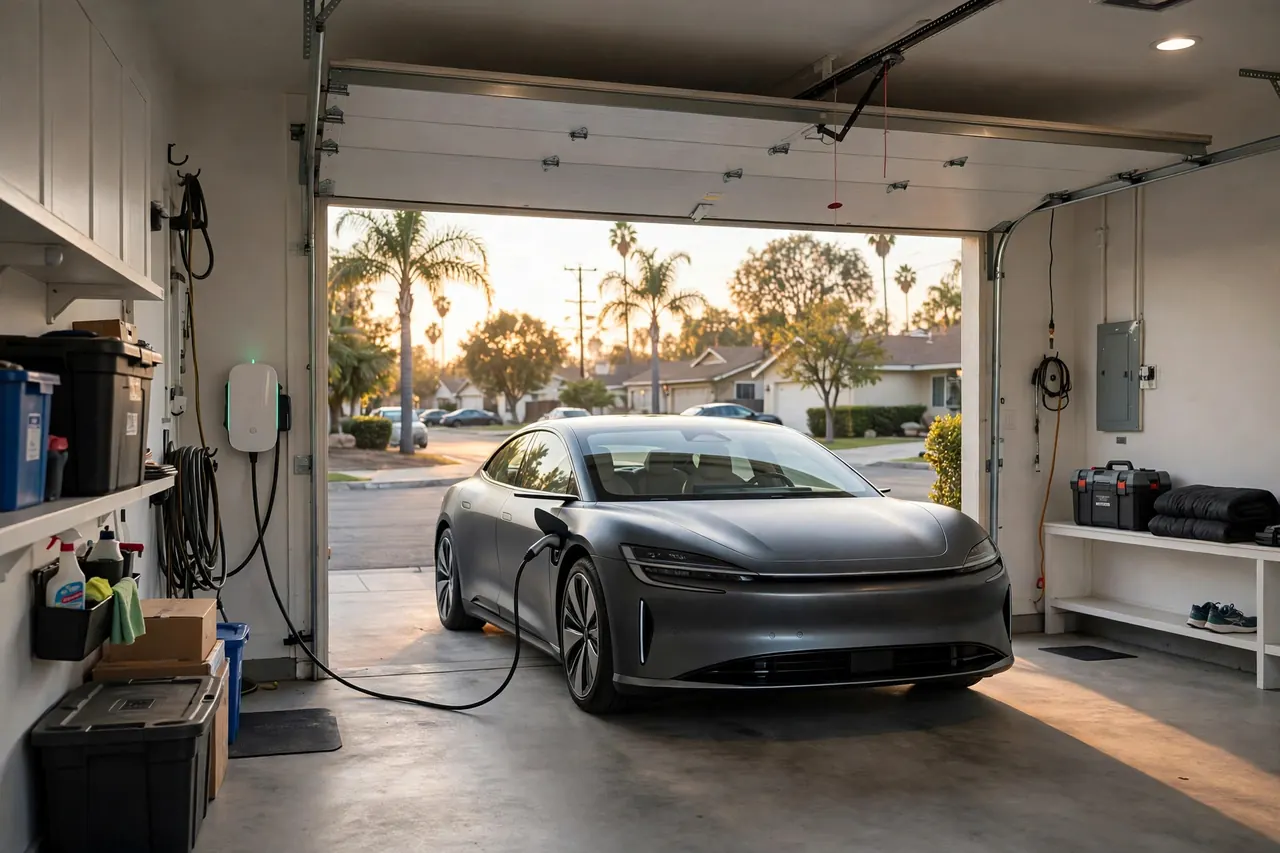 Los Angeles, CA
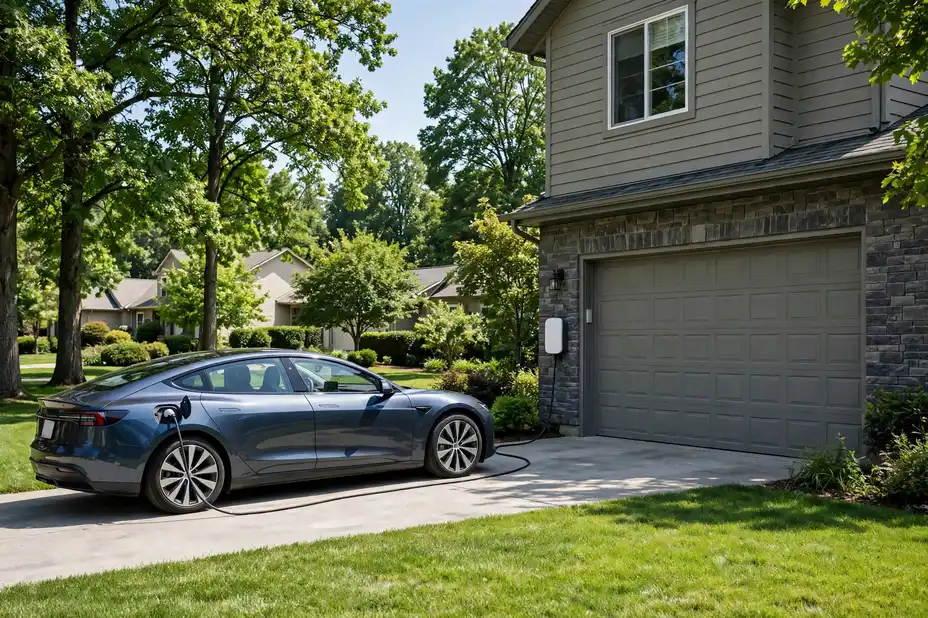 San Francisco, CA
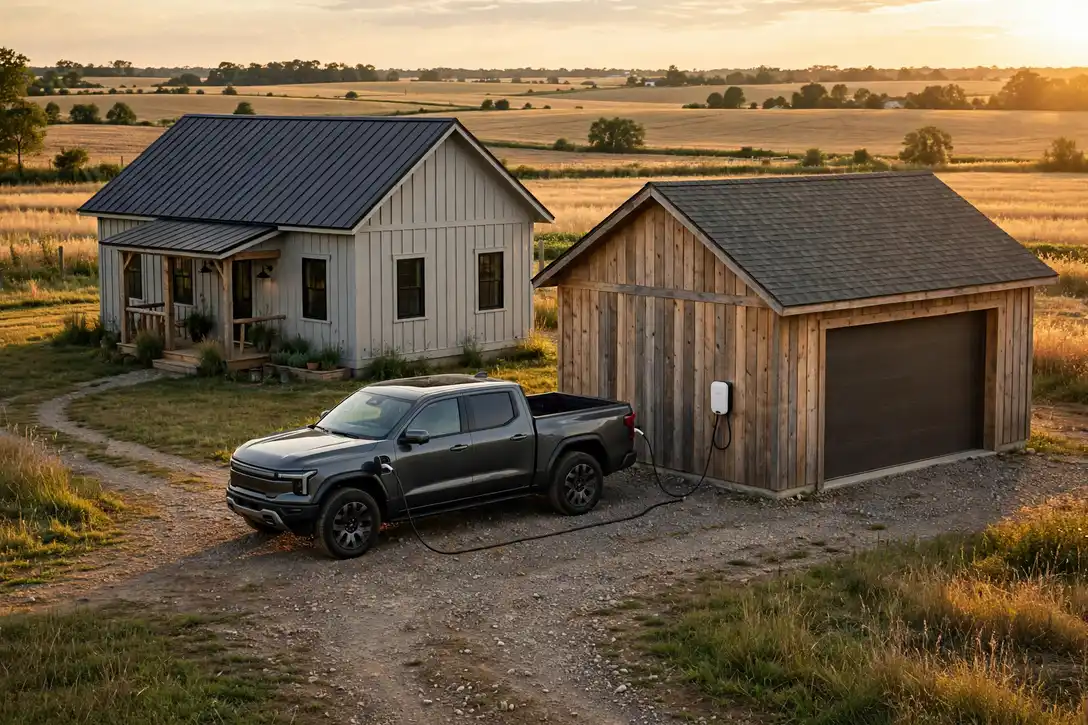 New York, NY
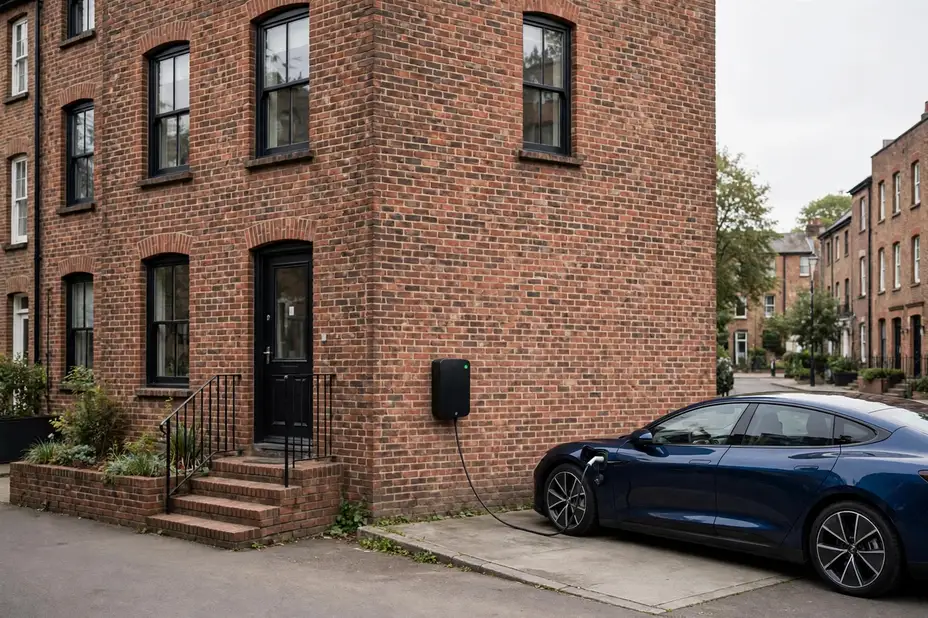 Seattle, WA
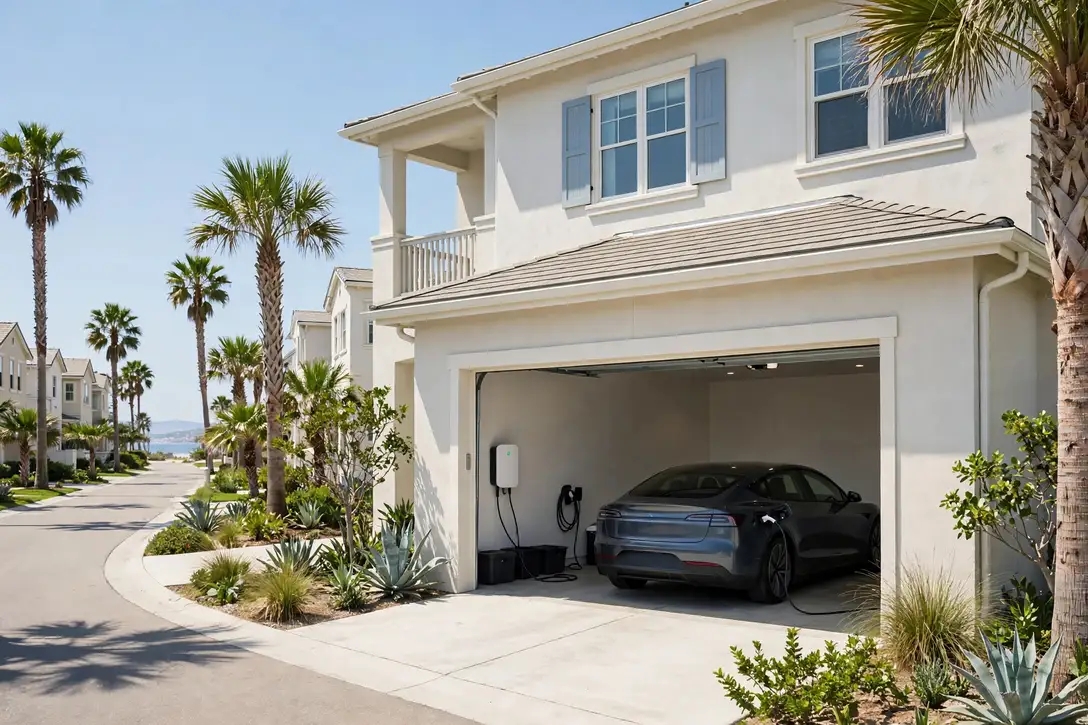 Miami, FL
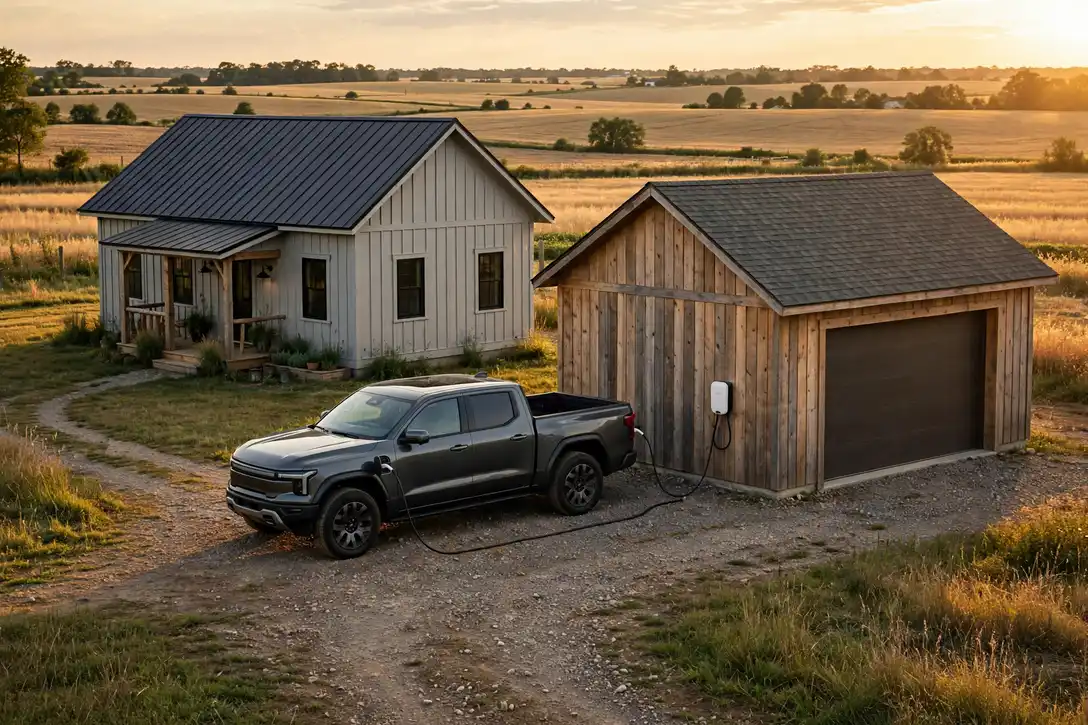 San Diego, CA
 Phoenix, AZ
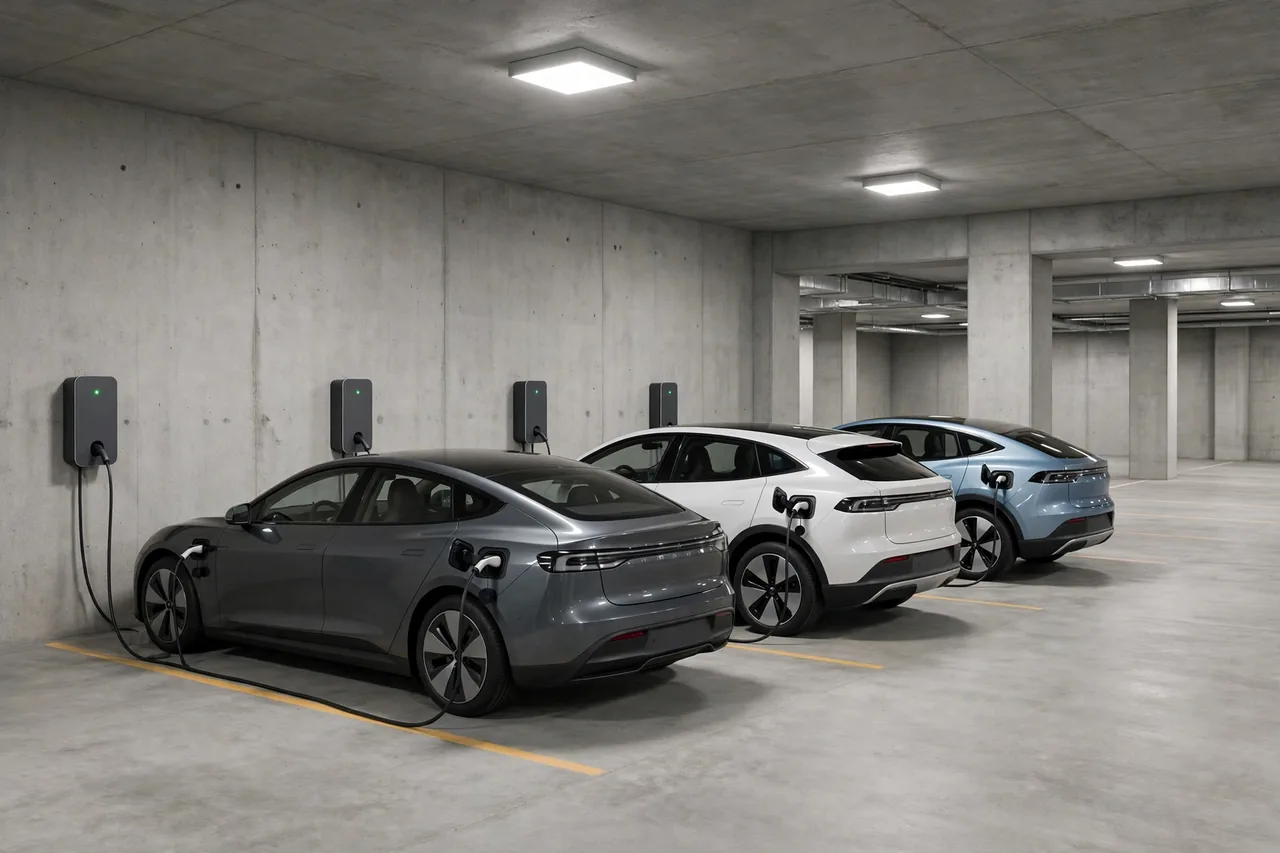 Atlanta, GA
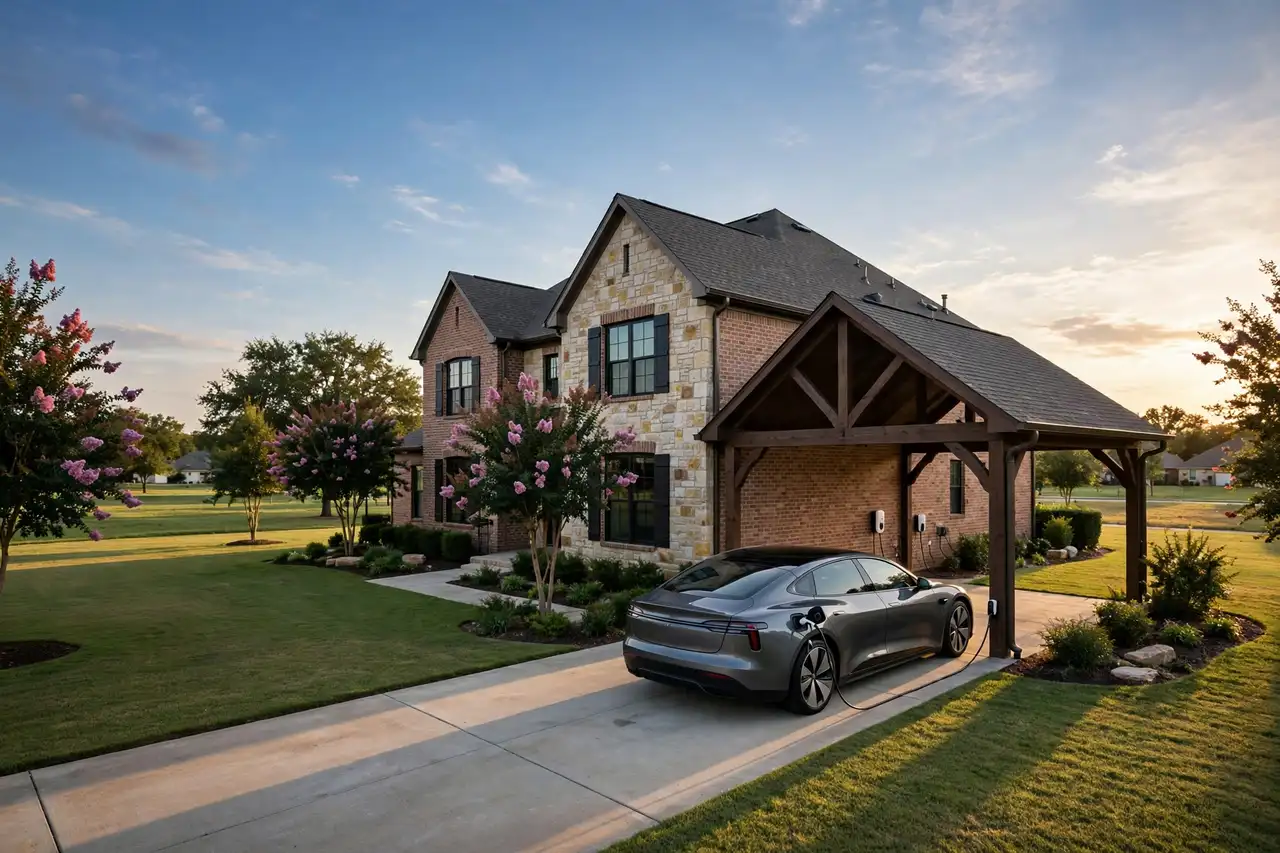 Dallas, TX
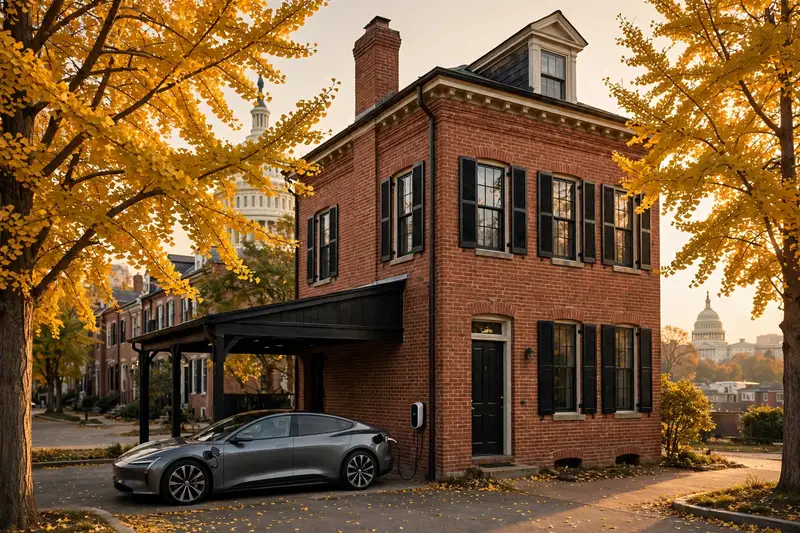 Washington, DC
 Sacramento, CA
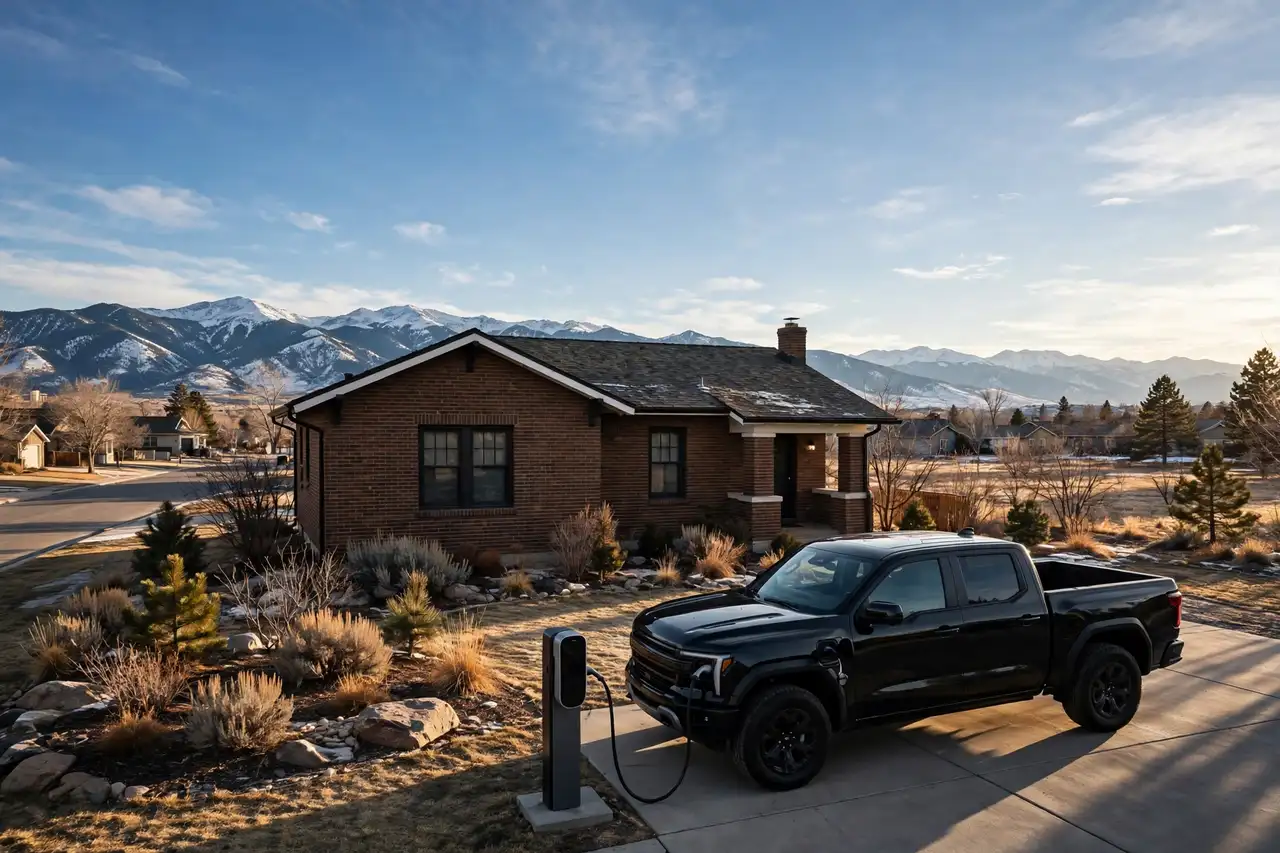 Denver, CO
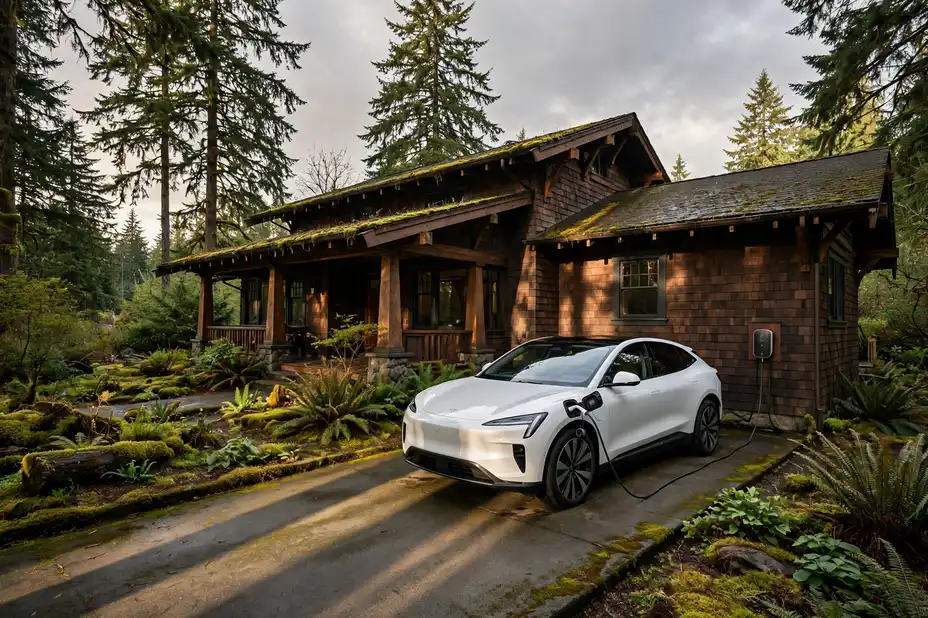 Portland, OR
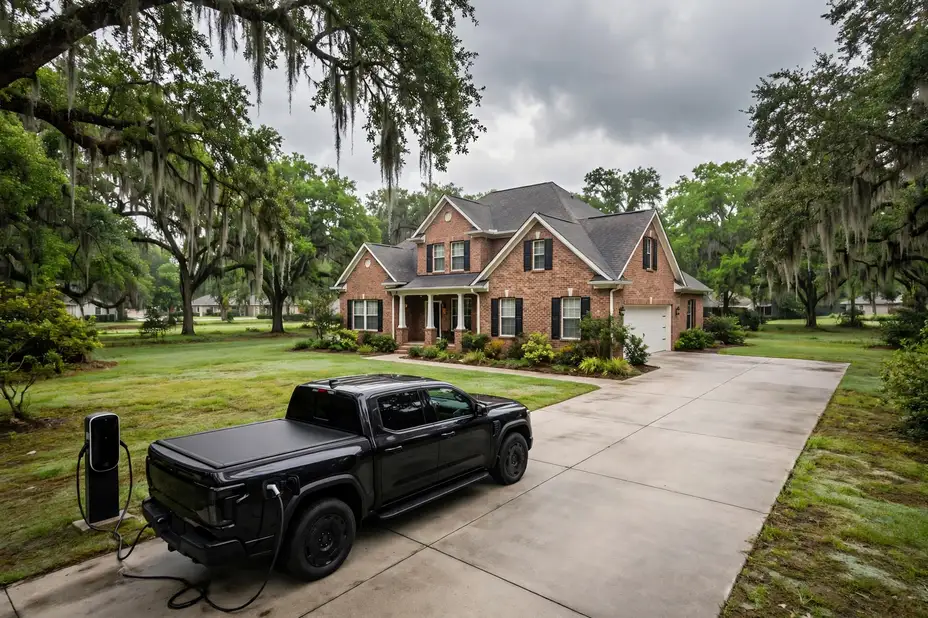 Houston, TX
 Riverside, CA
 Chicago, IL
 Boston, MA
 Austin, TX
 Las Vegas, NV
 Orlando, FL
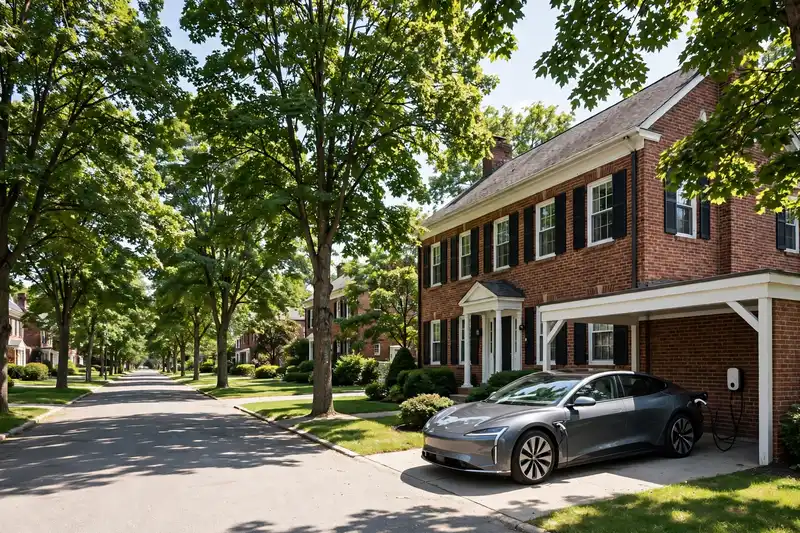 Detroit, MI
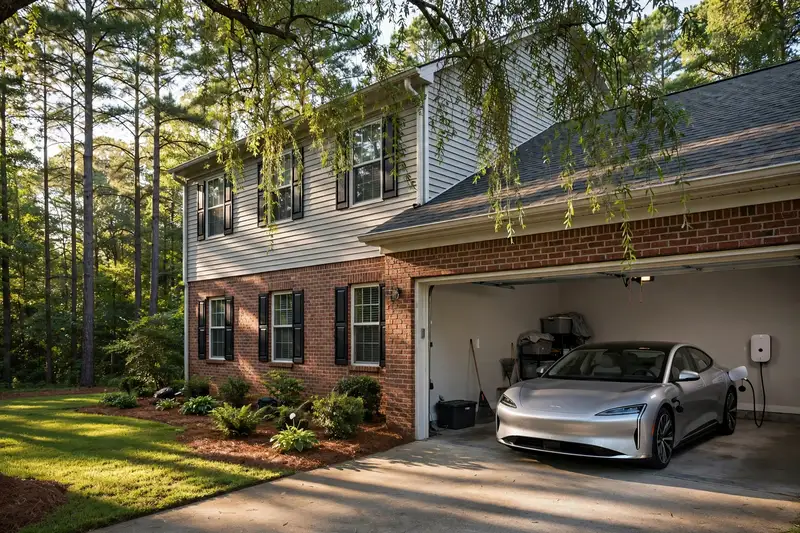 Charlotte, NC
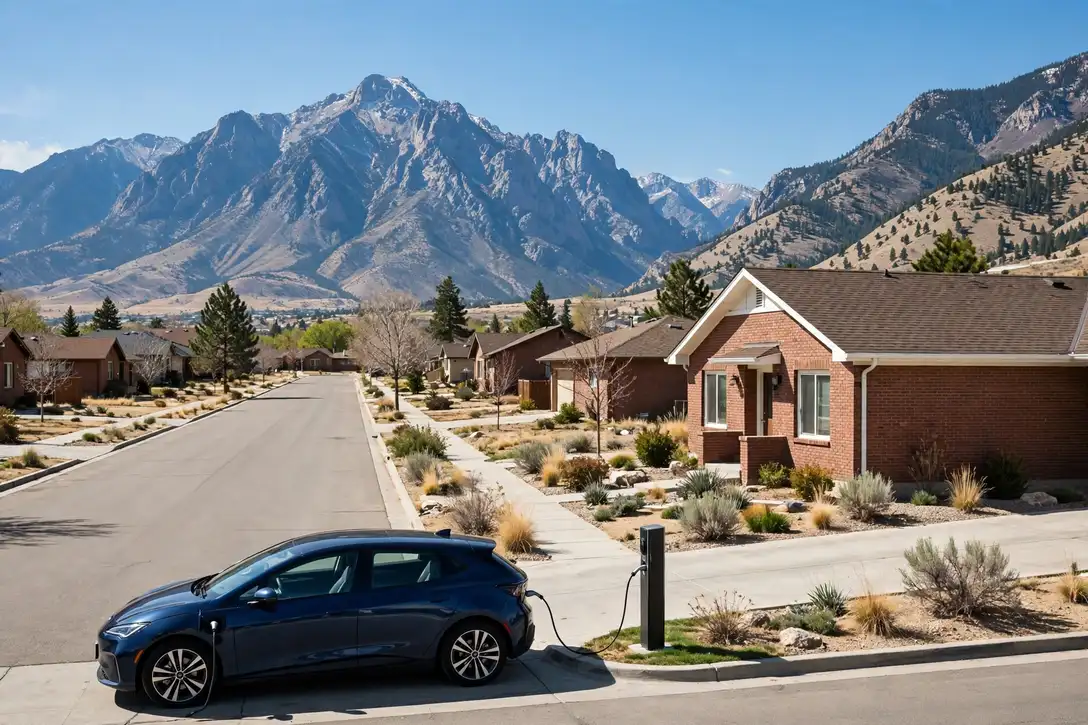 Salt Lake City, UT
 Honolulu, HI
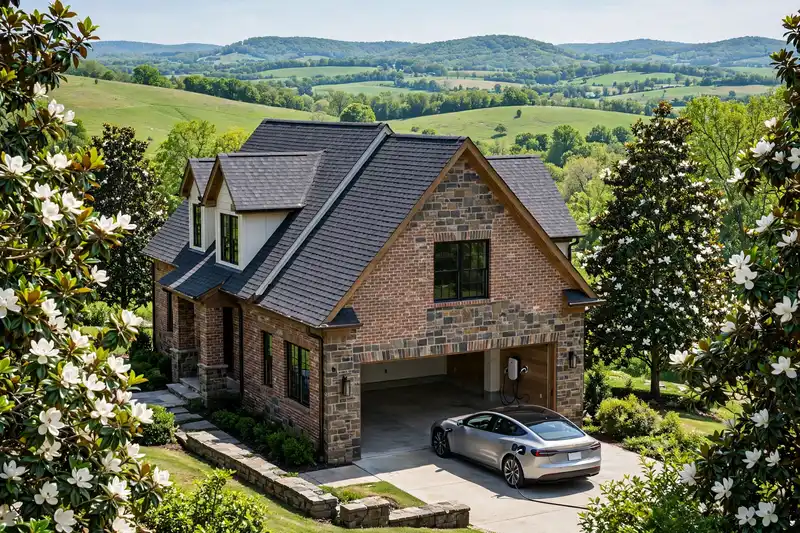 Nashville, TN
 Tampa, FL
 Minneapolis, MN
 Raleigh, NC
 San Antonio, TX
 San Jose, CA
Every one of the 300 metro areas in the network has a local page with its utility, law and housing profile — start from your state and city index.
Frequently asked questions
What does a wall connector installation job actually involve?
Many owners buy their wall connector with the vehicle and need a licensed installer for the electrical side: circuit, mounting, torque and configuration, and the inspection that closes the permit. Amperage settings must match the installed circuit, not the box's maximum. The electrical side is always permitted work: a load calculation first, then the circuit and equipment, then inspection.
Who performs the work?
The work is done by licensed electricians and installer companies in your metro who take wall connector installation jobs through the network. PlugReady USA matches and routes the request; the visiting installer is the contracting party, on the permit and on the paperwork.
Are there rebates for this work?
Sometimes — for wall connector installation, the live money layer is utility and state programs, listed city by city on our local pages with sources and as-of dates. The federal 30C charger credit ended on September 30, 2025, and we never present it as available.
Do I need a permit?
It is. Charger circuits are permitted, inspected electrical work — not an appliance purchase. Whoever quotes you should name the permitting step without being asked; whoever omits it is estimating a different job than the one you will own. For wall connector installation the filing names the circuit and the station it feeds.
Can this be combined with other electrical work?
It is one of the better economies in electrical work. Any job that opens the panel or the walls makes the neighbouring jobs — wall connector installation included — cheaper to add: one load calculation, one permit, one visit.
How do I start?
Start with your city page: check the utility and law facts for wall connector installation there, then request an installer from that page so the request arrives with local context attached.
I already own the connector — what am I actually hiring an installer for?
Everything behind the box: the load calculation, the circuit sized and run to code, terminations torqued to specification, the connector configured to that circuit, the permit and the inspection that closes it. The equipment is the visible tenth of the installation. It is also the part with the warranty paperwork — the electrical work is what makes the installation insurable, sellable and safe to run all night, every night.
Can the installer turn the charging rate up later?
Up to the circuit's configured ceiling, yes — a settings change. Beyond it, no: a higher rate is a larger continuous load, which means new conductors, a larger breaker, a fresh load calculation and a new permit. This is why the sizing conversation at the site visit matters — conduit and route chosen with the future rate in mind make the later step a circuit change instead of a demolition.
Related services
Home EV Charger Installation
A dedicated 240-volt charging station installed where you park — assessed, permitted and inspected, sized to your vehicle and your panel.
Level 2 Charger Installation
The 240-volt upgrade that takes charging from an overnight trickle to a full battery by morning.
Dedicated Circuit & Electrical Panel Upgrade
When the panel cannot carry a charger on top of everything else, the circuit or the service itself has to grow first.
Book wall connector installation locally
Your city's page carries the utility, law and housing facts for this service — or send the request now.