Workplace EV Charging
Employee charging as an amenity: sized to the car park, the shift pattern and the building's spare capacity.
Workplace charging is usually Level 2 on shared circuits with load management, because cars sit for a full shift. Employers typically need a usage policy and a plan for growth, not just the first two stations.
Employee charging as an amenity: sized to the car park, the shift pattern and the building's spare capacity. Scope varies by property: a single-family garage, a condominium with an association in the loop, and a workplace car park are three different projects that happen to share equipment. The pages below — and the city pages that carry your utility, law and housing facts — are how we keep the advice specific instead of generic.
How it works
1. Tell us the job
Service, city and ZIP, property type, and anything you already know — panel size, where the car parks, whether an HOA is involved. Two minutes, no obligation.
2. Local installers respond
Licensed electricians and EV-installer companies who cover your city look over the request and contact you directly to arrange a site visit.
3. Site visit and written quote
The installer checks the panel, measures the wire run, confirms placement and permits, and quotes the job in writing. The local pages on this site exist so you can judge that quote against your utility, your law and your housing stock.
4. Install, inspection, charging
Work is done under permit where required, inspected, and the station is configured to the circuit it sits on. You keep the paperwork; the car charges overnight.
What decides the shape of the job
The panel. A charger is a continuous load, sized at 125% of its draw. Whether your service has honest room for that — or needs a panel upgrade or a load-management device — is the first technical question, and it is answered by a load calculation, not a guess.
The run. Distance and route from panel to parking decide materials and labour: through a shared wall is one job; across a finished basement or a detached garage is another.
The property. Owner-occupied houses are the simple case. Condos, HOA communities and rentals add an approval layer; in the states with right-to-charge laws that layer has statutory rules, and our city pages state your state's position plainly — including where no such law exists.
The utility. Time-of-use rates decide what charging costs you month to month, and some utilities currently fund part of the equipment or the wiring. City pages carry the current, sourced position for your metro.

The technical core, in plain terms
Load calculation first. The National Electrical Code treats EV charging as a continuous load — it runs for three hours or more at full draw — so the circuit is sized at 125% of the charger's output, and the service as a whole is checked with an NEC Article 220 calculation before anyone promises a circuit size. That calculation, done on your actual panel and your actual other loads, is the document the whole job hangs from. When an installer skips it, every later number is a guess wearing a uniform.
Equipment matched to the circuit, not the brochure. A charging station's headline rate is a ceiling, not a setting: the station is configured — by switch, dial or software — to the circuit it actually sits on. A 48-amp station on a 60-amp circuit and the same station dialled to 32 amps on a 40-amp circuit are both correct installations; the sin is a mismatch, in either direction. This is also why the car rarely gets a vote: most vehicles accept Level 2 power at rates the residential circuits above already cover, and charging speed at home is governed by the circuit and the station's configuration, not by the badge on the car.
Protection and placement. Modern code cycles require ground-fault protection for the circuit — increasingly delivered by the breaker — and the installation's permanence is why the work is permitted and inspected rather than treated as an appliance drop-off. Placement is engineering too: cable reach to the charge port in the car's real parking position, clearance from water and impact, and ventilation where the climate demands it. A good installer discusses all three before the drill comes out, because all three are expensive to revisit after the inspection sticker is on.
Workplace EV Charging: the job, step by step
Workplace design starts with the shift pattern. Cars that arrive by nine and leave at five give the building a long, flat dwell — the friendliest load profile in charging. The survey counts current vehicles, reads the lease and headcount growth, and walks the car park for the electrical room's distance to the spaces employees actually use. Stations belong near the building's power and the employees' doors, in that negotiation order.
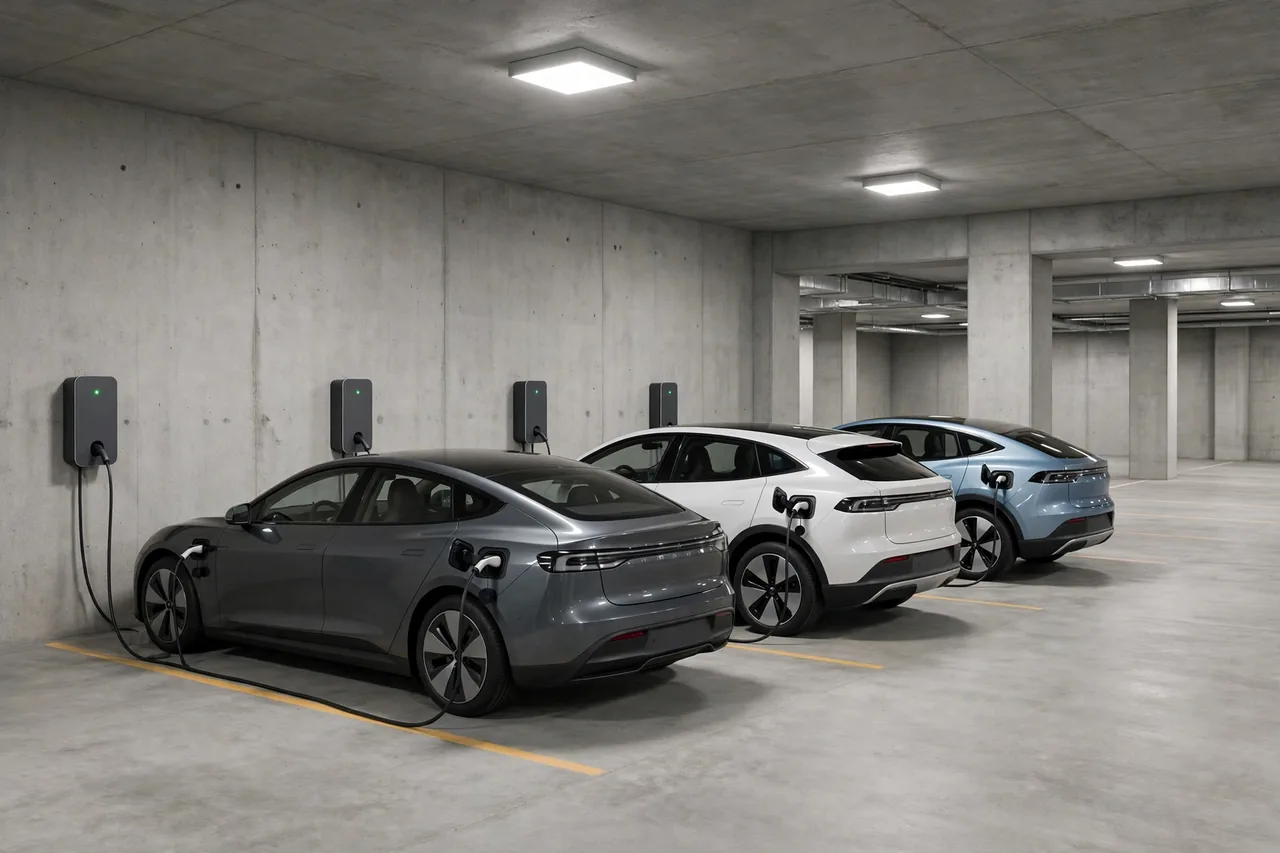
The design right-sizes rather than maximises. Shared Level 2 stations on managed circuits serve shift-length dwells comfortably — a car needs its commute replenished, not a full battery by lunch. Load management spreads one capacity allocation across the row, the access model is chosen (badge, app, open), and the usage policy is drafted alongside the electrical drawings: who may charge, for how long, and what happens as demand grows past the first installation.
Commissioning includes the network onboarding, access credentials for the first users, and a simple operational handover — who administers users, who fields a fault report, what the maintenance arrangement covers. The employers who get the amenity's value are the ones who treat launch day as the start of a small fleet operation, with an owner inside the company, rather than as the end of a construction project.
Code, capacity and the details installers check
The electrical code framework is the familiar one — NEC Article 625 for the equipment, Article 220 for the building's load arithmetic, energy management under 220.70 where stations share capacity — applied at commercial scale. The distinctions are in the overlays: workplace parking in new construction increasingly falls under state and local EV-ready requirements in building and energy codes, which can mandate capable or ready spaces in exactly the car parks being designed, and accessibility standards shape a portion of the installation where the public or visitors share the parking.
Metering and money follow workplace-specific rules. Where the employer provides charging as an amenity, the tax and payroll treatment of the benefit is an accounting question the employer's advisers settle — the electrical design simply has to meter accurately enough to support whichever treatment is chosen. Where employees pay, networked stations handle per-session accounting; where a fleet mixes with staff cars, the access system separates the two populations and their budgets.
Utility programs are the third framework: many utilities publish workplace and commercial charging support — make-ready infrastructure, per-station incentives, advisory services — with terms that change by program year. The verified position for each metro is recorded on our city pages with its as-of date, and the design brief for a workplace project should be written against the current program terms, since make-ready rules can dictate metering and equipment choices.

What shapes the scope of this job
The car park's distance from the building's electrical capacity is the recurring scope driver: stations clustered near the electrical room are a modest project, while the far row across an asphalt field is a trenching project with stations attached. Phasing civil work with scheduled lot maintenance — repaving, restriping, lighting upgrades — is the standard economy, and conduit oversized for the growth case is the standard insurance.
Policy decisions carry scope too. A site that will host visitors and customers needs the accessible-space and signage conversation a staff-only lot may handle more simply; a fleet depot's duty cycle — vehicles returning together, departing together — is a demand problem the staff amenity never poses. And the network platform's ongoing arrangement, administration time and maintenance cover are operating commitments the capital design should be shaped around, not discovered after it.
Knowing whether it is working
A workplace installation reports on itself, and the readings are worth scheduling. Utilisation per station across the week shows whether the count is right; session lengths against the shift pattern show whether the sizing logic held; the queue — visible in access requests and in the car park's informal economy — shows when the next tranche is due. Employers who read these numbers quarterly manage an amenity; employers who never read them own some hardware. The data also arms the internal conversation: a waiting list is a budget argument no advocate has to make twice.
Equity questions arrive on a schedule too. Early on, the few drivers are enthusiasts and any arrangement works; as adoption widens, the questions become structural — who gets the spaces, whether visitors charge, how the fleet's priority is expressed, what happens when demand crosses supply on the same morning. Sites that wrote the policy at commissioning answer these from a document; sites that did not answer them in a meeting that nobody enjoys. The policy is short when written early and long when written late.
The amenity's value compounds quietly in the background. Recruiters mention it, retention notices it, and the sustainability report counts it — but its most concrete return is behavioural: employees who can charge at work are employees whose next car is electric with less anxiety, which is the employer's original purpose closing its own loop. The installation that began as an infrastructure decision ends as a culture artefact, and the employers who understood that at the design stage are the ones whose car parks filled in the right order.
There is a final audience for a workplace installation that nobody designs for explicitly: the next site. Organisations with several locations watch the first car park the way boards watch a pilot — its utilisation, its complaints, its surprises become the template's evidence. The employers who capture that evidence deliberately, in a short internal account of what the design assumed and what the drivers did, scale the programme with the lesson built in; the ones who rely on recollection scale the anecdotes instead. The hardware is the same either way; only the organisation's memory differs.
One operational habit separates the installations that age gracefully from those that merely age: the named owner. Somebody — facilities, office management, the sustainability lead — holds the charging brief: the vendor relationship, the policy's text, the utilisation reading, the small diplomacy of the queue. Without that name the system drifts, settings go stale, the policy quietly stops matching the car park's reality, and faults are reported to whoever happens to be standing nearby. The hardware needs an electrician twice a decade; the system needs its owner every quarter, and the appointment costs an organisation almost nothing to make.
Three properties, three different jobs
The straightforward house. Owner-occupied, panel in or near the garage, car parked inside or on the adjacent driveway. This is the install the industry is organised around: one calculation, one circuit, one inspection, charging the same week in most metros.
The attached home with an association. Townhouses, condos and HOA suburbs add the approval layer — and the layer is lawful, bounded and navigable. In right-to-charge states the statute sets the terms; elsewhere the application package does. Either way, the electrical work itself is identical once approval lands; what changes is the calendar and the paperwork, and both belong in the quote from the start.
The property that earns. Rentals, workplaces and multifamily buildings turn the same equipment into an asset decision: who pays for the electricity, how access is controlled, how the cost is recovered, and how the installation scales from the first station to the tenth. The engineering is a superset of the house job — load management stops being optional — and the planning questions in our city and service pages are written for exactly this case.
Where this service is booked most
 Los Angeles, CA
 San Francisco, CA
 New York, NY
 Seattle, WA
 Miami, FL
 San Diego, CA
 Phoenix, AZ
 Atlanta, GA
 Dallas, TX
 Washington, DC
 Sacramento, CA
 Denver, CO
 Portland, OR
 Houston, TX
 Riverside, CA
 Chicago, IL
 Boston, MA
 Austin, TX
 Las Vegas, NV
 Orlando, FL
 Detroit, MI
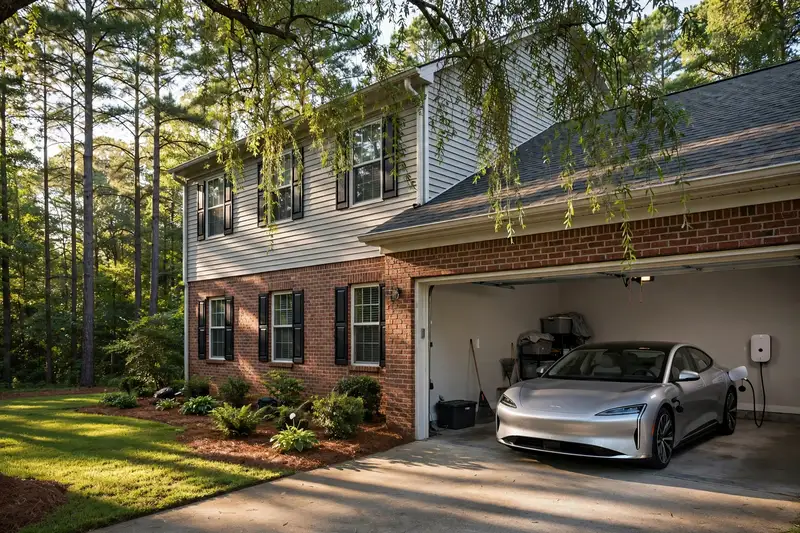 Charlotte, NC
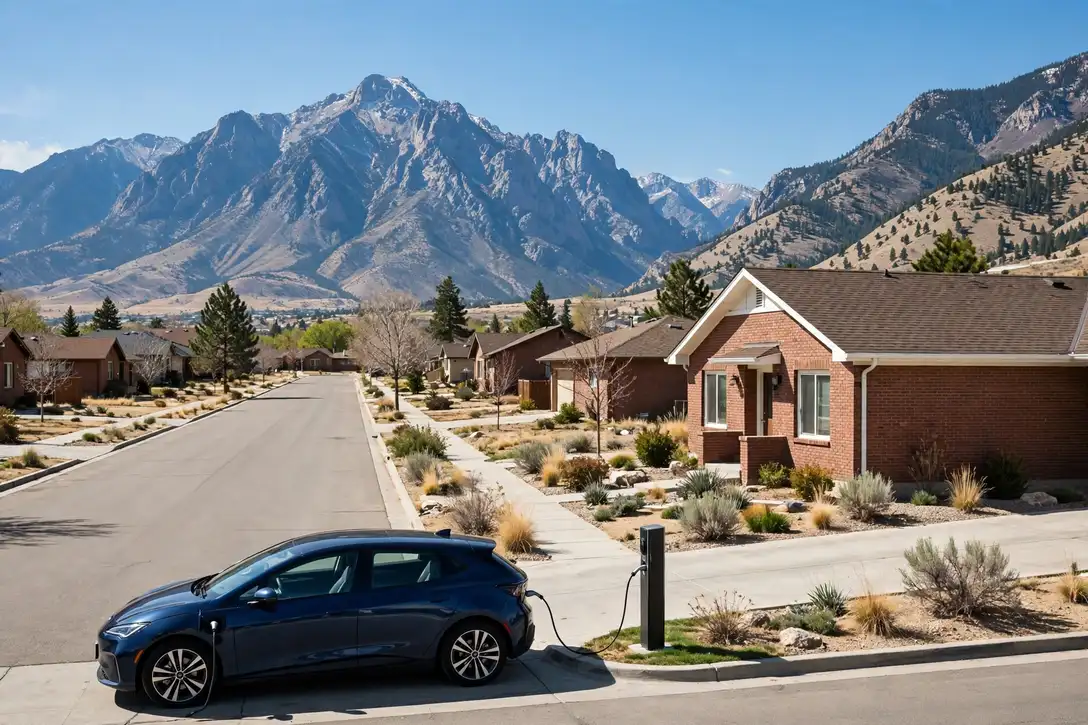 Salt Lake City, UT
 Honolulu, HI
 Nashville, TN
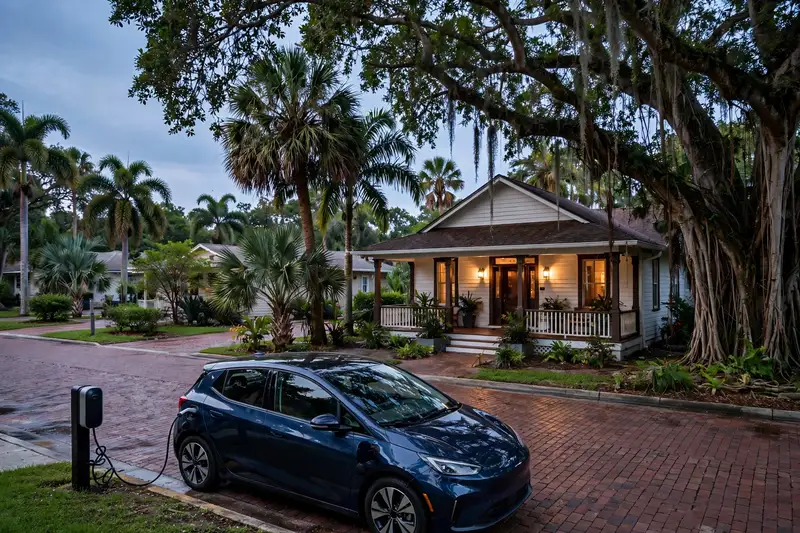 Tampa, FL
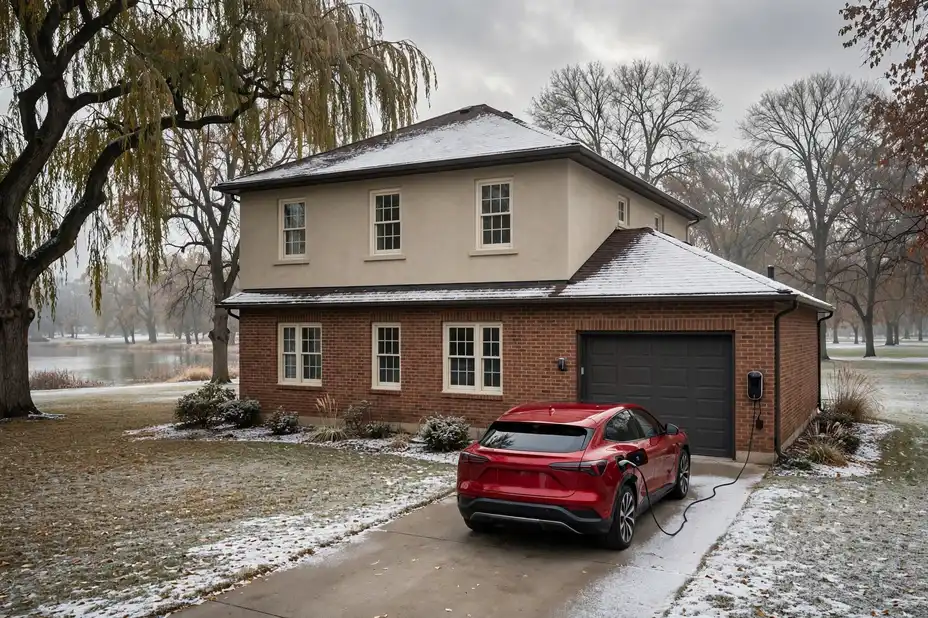 Minneapolis, MN
 Raleigh, NC
 San Antonio, TX
 San Jose, CA
Every one of the 300 metro areas in the network has a local page with its utility, law and housing profile — start from your state and city index.
Frequently asked questions
What does a workplace ev charging job actually involve?
Workplace charging is usually Level 2 on shared circuits with load management, because cars sit for a full shift. Employers typically need a usage policy and a plan for growth, not just the first two stations. The electrical side is always permitted work: a load calculation first, then the circuit and equipment, then inspection.
Who performs the work?
The work is done by licensed electricians and installer companies in your metro who take workplace ev charging jobs through the network. PlugReady USA matches and routes the request; the visiting installer is the contracting party, on the permit and on the paperwork.
Are there rebates for this work?
Sometimes — for workplace ev charging, the live money layer is utility and state programs, listed city by city on our local pages with sources and as-of dates. The federal 30C charger credit ended on September 30, 2025, and we never present it as available.
Do I need a permit?
It is. Charger circuits are permitted, inspected electrical work — not an appliance purchase. Whoever quotes you should name the permitting step without being asked; whoever omits it is estimating a different job than the one you will own. For workplace ev charging the filing names the circuit and the station it feeds.
Can this be combined with other electrical work?
Usually yes, and often sensibly: panel capacity, charger circuits and EV-ready rough-in are planned together with workplace ev charging in one load calculation and one permit set.
How do I start?
Send the request — two minutes: workplace ev charging, your city, property type, timing. The first installer conversation then starts at your panel rather than at the alphabet.
How many stations should a workplace install first?
Enough for the vehicles counted in the survey, on infrastructure built for several times that number. Dwell time does the heavy lifting: a station on a managed circuit can serve two or three shift-parked cars across a working day with a midday swap, and one car per station per day is the conservative planning figure. Starting with utilisation data beats starting with a headline number — the second tranche is then sized by evidence.
Do employees expect to pay for charging?
Practices vary by employer and region: many offer it as an amenity, some bill at the energy's pass-through value, and fleet and staff use are often treated differently on the same site. The design supports any of these — the stations meter every session regardless — so the decision can be made as policy, and changed later, without touching the electrical work.
Related services
Home EV Charger Installation
A dedicated 240-volt charging station installed where you park — assessed, permitted and inspected, sized to your vehicle and your panel.
Level 2 Charger Installation
The 240-volt upgrade that takes charging from an overnight trickle to a full battery by morning.
Dedicated Circuit & Electrical Panel Upgrade
When the panel cannot carry a charger on top of everything else, the circuit or the service itself has to grow first.
Book workplace ev charging locally
Your city's page carries the utility, law and housing facts for this service — or send the request now.