Load Management & Smart Charging Setup
Energy-management systems that let a charger share capacity safely instead of forcing a service upgrade.
A load-management device watches the home's total demand and throttles charging to the spare capacity, which can remove the need for a larger service in homes that are only occasionally near their limit. It pairs naturally with time-of-use rates.
Energy-management systems that let a charger share capacity safely instead of forcing a service upgrade. Scope varies by property: a single-family garage, a condominium with an association in the loop, and a workplace car park are three different projects that happen to share equipment. The pages below — and the city pages that carry your utility, law and housing facts — are how we keep the advice specific instead of generic.
How it works
1. Tell us the job
Service, city and ZIP, property type, and anything you already know — panel size, where the car parks, whether an HOA is involved. Two minutes, no obligation.
2. Local installers respond
Licensed electricians and EV-installer companies who cover your city look over the request and contact you directly to arrange a site visit.
3. Site visit and written quote
The installer checks the panel, measures the wire run, confirms placement and permits, and quotes the job in writing. The local pages on this site exist so you can judge that quote against your utility, your law and your housing stock.
4. Install, inspection, charging
Work is done under permit where required, inspected, and the station is configured to the circuit it sits on. You keep the paperwork; the car charges overnight.
What decides the shape of the job
The panel. A charger is a continuous load, sized at 125% of its draw. Whether your service has honest room for that — or needs a panel upgrade or a load-management device — is the first technical question, and it is answered by a load calculation, not a guess.
The run. Distance and route from panel to parking decide materials and labour: through a shared wall is one job; across a finished basement or a detached garage is another.
The property. Owner-occupied houses are the simple case. Condos, HOA communities and rentals add an approval layer; in the states with right-to-charge laws that layer has statutory rules, and our city pages state your state's position plainly — including where no such law exists.
The utility. Time-of-use rates decide what charging costs you month to month, and some utilities currently fund part of the equipment or the wiring. City pages carry the current, sourced position for your metro.

The technical core, in plain terms
Load calculation first. The National Electrical Code treats EV charging as a continuous load — it runs for three hours or more at full draw — so the circuit is sized at 125% of the charger's output, and the service as a whole is checked with an NEC Article 220 calculation before anyone promises a circuit size. That calculation, done on your actual panel and your actual other loads, is the document the whole job hangs from. When an installer skips it, every later number is a guess wearing a uniform.
Equipment matched to the circuit, not the brochure. A charging station's headline rate is a ceiling, not a setting: the station is configured — by switch, dial or software — to the circuit it actually sits on. A 48-amp station on a 60-amp circuit and the same station dialled to 32 amps on a 40-amp circuit are both correct installations; the sin is a mismatch, in either direction. This is also why the car rarely gets a vote: most vehicles accept Level 2 power at rates the residential circuits above already cover, and charging speed at home is governed by the circuit and the station's configuration, not by the badge on the car.
Protection and placement. Modern code cycles require ground-fault protection for the circuit — increasingly delivered by the breaker — and the installation's permanence is why the work is permitted and inspected rather than treated as an appliance drop-off. Placement is engineering too: cable reach to the charge port in the car's real parking position, clearance from water and impact, and ventilation where the climate demands it. A good installer discusses all three before the drill comes out, because all three are expensive to revisit after the inspection sticker is on.
Load Management & Smart Charging Setup: the job, step by step
The engagement starts with the house's load profile, because load management is a fit question before it is a product question. The installer calculates the service's honest headroom across the day — when the house peaks, for how long, and what it idles at overnight — and matches that curve against the charging the household needs. Homes that kiss their limit for an hour at dinner and idle all night are the natural candidates; homes that live at their limit are service-upgrade candidates, and the calculation says which.
The system is then designed around the measurement point. A monitor at the service entrance reads the whole house's demand; the controller throttles the charger's draw to whatever capacity is spare, moment by moment, with a floor and a target set at commissioning. Where several chargers share the system, the allocation policy is designed too — equal shares, priority to one vehicle, or rotation — along with the interaction with time-of-use scheduling, so the charger is both capacity-aware and rate-aware.
Commissioning proves the behaviour rather than assuming it: the house is loaded deliberately — oven, dryer, HVAC together — while the charger's response is watched and its settings tuned. The owner leaves with the one operational fact that matters (the car charges at full rate whenever the house allows, and slows rather than trips when it does not) and with the system's settings recorded on the job's paperwork.
Code, capacity and the details installers check
Energy management has a specific seat in the code. NEC 220.70 provides that where an energy management system limits a load, the service and feeder calculation may use the limited value rather than the load's nameplate — the provision that converts a failing load calculation into a passing one without new service capacity. Article 625 carries the same recognition to the charging equipment itself: a charger controlled by an energy management system is supplied according to its managed maximum, and the system's settings become part of the installation's inspected configuration.
That last point deserves emphasis: the managed setting is a code-relevant fact, recorded and inspectable, not a preference buried in an app. Changing the system's ceiling after inspection is an electrical change with the same standing as changing a breaker. Reputable systems make the setting installer-level for exactly this reason, and the paperwork for the job should state the configured maximum the permit was closed against.
Protection and measurement have their own requirements: the monitoring equipment is listed for the purpose and installed at the service or feeder it governs, and the charger's ground-fault and continuous-load provisions apply at its managed rate. Where rooftop solar or a battery shares the service, the management design accounts for generation as well as load — the controller's job is the net figure at the meter, and a design that ignores a large solar array will misjudge the evening it was bought for.

What shapes the scope of this job
The alternative defines the value: the comparison is never the device against nothing, it is the device against a service upgrade — utility scheduling, panel and service work, the outage window. Where the calculation's shortfall is modest and the house's peaks are brief, management wins the comparison outright. Where the shortfall is structural — a small service and an all-electric house already at its ceiling — management buys a smaller charger than the household wants, and the honest advice is the upgrade.
System architecture shapes the rest: a single charger on a whole-house monitor is the simple case; multiple chargers, a subpanel feed, or a detached garage each add measurement and configuration decisions. Future plans belong in the design brief — the second vehicle, the heat pump — because the management system's ceiling and allocation policy are where those futures will be negotiated, and choosing equipment with headroom in its settings is cheaper than replacing it.
Solar, storage and the managed house
Load management finds its fullest context in the house that generates as well as consumes. Rooftop solar inverts the day's arithmetic — the house is a supplier at noon and a buyer at eight — and a charger inside a management system can be aimed at either fact: soaking the midday surplus that would otherwise leave at a low export value, or waiting for the overnight window's low rate. Which aim is right is a tariff question, answered from the household's actual rate plan, and the management system's scheduling is where the answer is implemented.
Batteries extend the same logic across the evening. A home battery charged from the afternoon sun can carry the house through its peak while the car charges beneath it, and the management system's job becomes conducting three instruments at once — generation, storage and the charging load — against the service's fixed ceiling. None of this requires exotic equipment; it requires the design conversation to happen once, with all three systems on the table, rather than three times in isolation.
The managed house, assembled this way, has a property its unmanaged counterpart lacks: its electrical ceiling stops being a diary of conflicts. Loads that once had to be sequenced by hand are sequenced by the system, and new loads — the second car, the heat pump — join an architecture with a governor rather than a panel with a prayer. That is the mature form of the service this page describes, and it is reachable from a single charger install that was designed, from its first calculation, to grow.
The household's data completes the service's picture. A managed system knows what the car took, when, and at what the ceiling allowed — and that small history, read across a season, converts arguments into arithmetic. Whether the second car fits, whether the overnight window suffices in winter, whether the tariff rewards the current schedule: each stops being an opinion. Owners rarely consult the history weekly, but its existence changes the quality of every later decision — the management system quietly becomes the house's electrical memory, and decisions with a memory behind them are better ones.
Three properties, three different jobs
The straightforward house. Owner-occupied, panel in or near the garage, car parked inside or on the adjacent driveway. This is the install the industry is organised around: one calculation, one circuit, one inspection, charging the same week in most metros.
The attached home with an association. Townhouses, condos and HOA suburbs add the approval layer — and the layer is lawful, bounded and navigable. In right-to-charge states the statute sets the terms; elsewhere the application package does. Either way, the electrical work itself is identical once approval lands; what changes is the calendar and the paperwork, and both belong in the quote from the start.
The property that earns. Rentals, workplaces and multifamily buildings turn the same equipment into an asset decision: who pays for the electricity, how access is controlled, how the cost is recovered, and how the installation scales from the first station to the tenth. The engineering is a superset of the house job — load management stops being optional — and the planning questions in our city and service pages are written for exactly this case.

Where this service is booked most
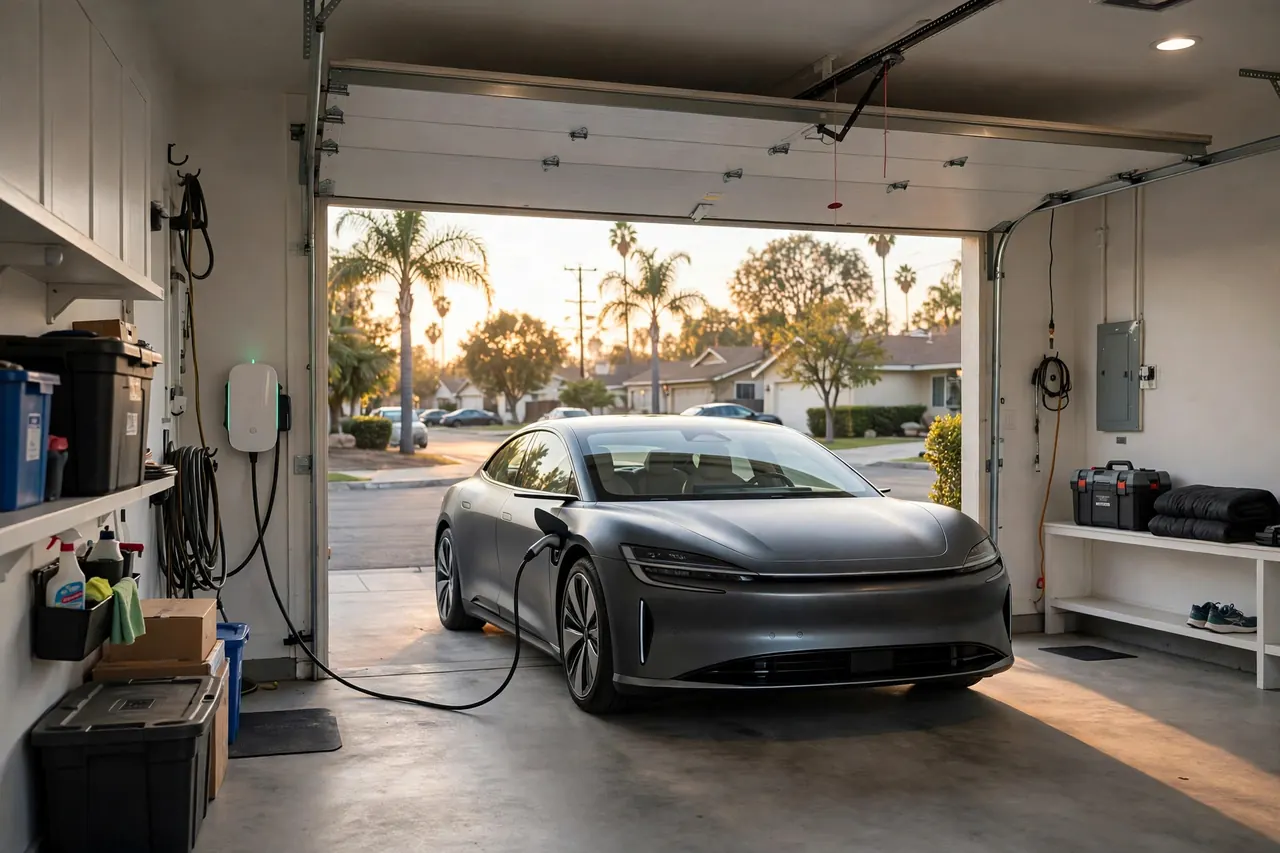 Los Angeles, CA
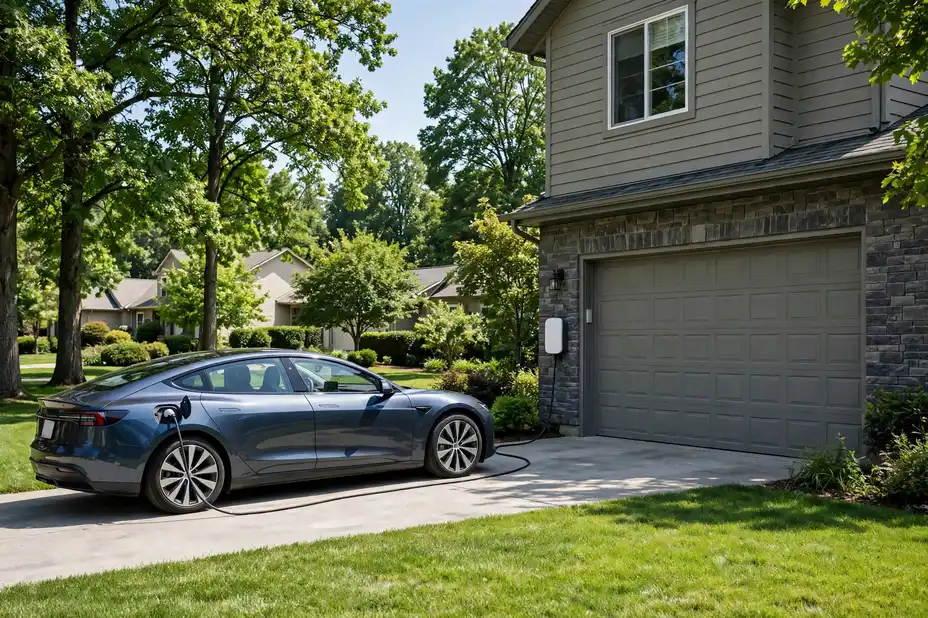 San Francisco, CA
 New York, NY
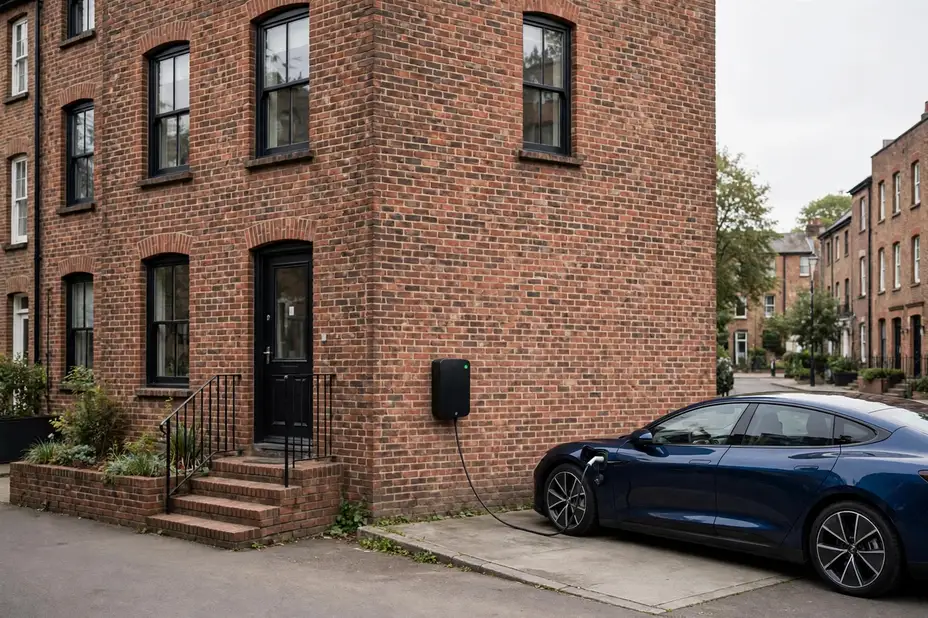 Seattle, WA
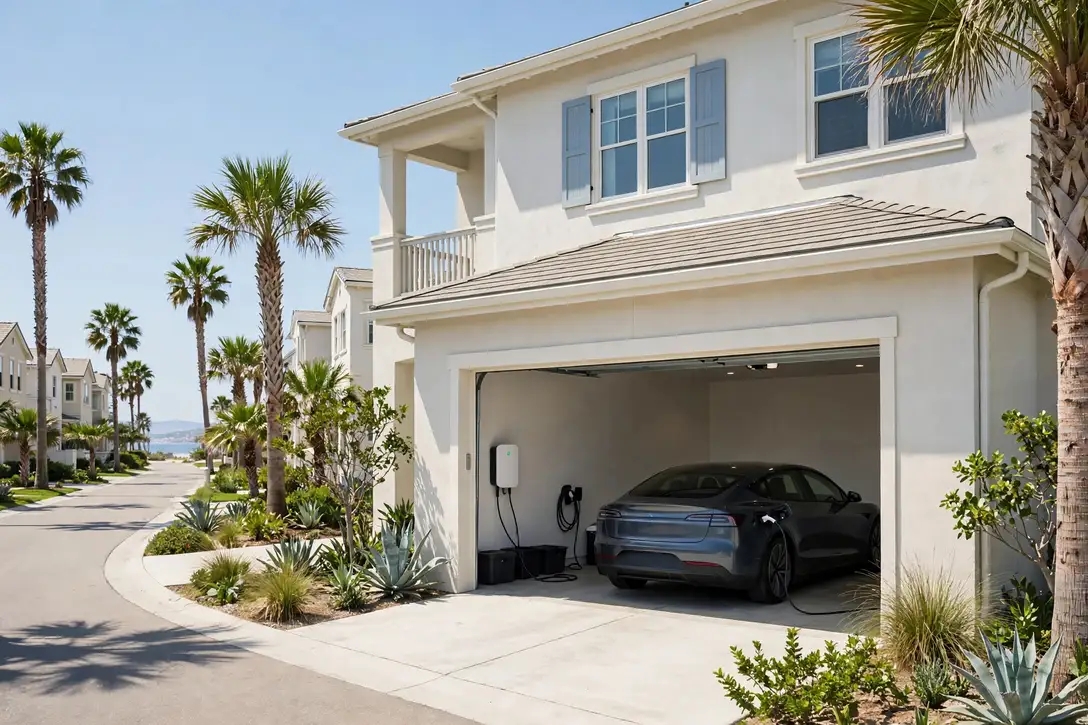 Miami, FL
 San Diego, CA
 Phoenix, AZ
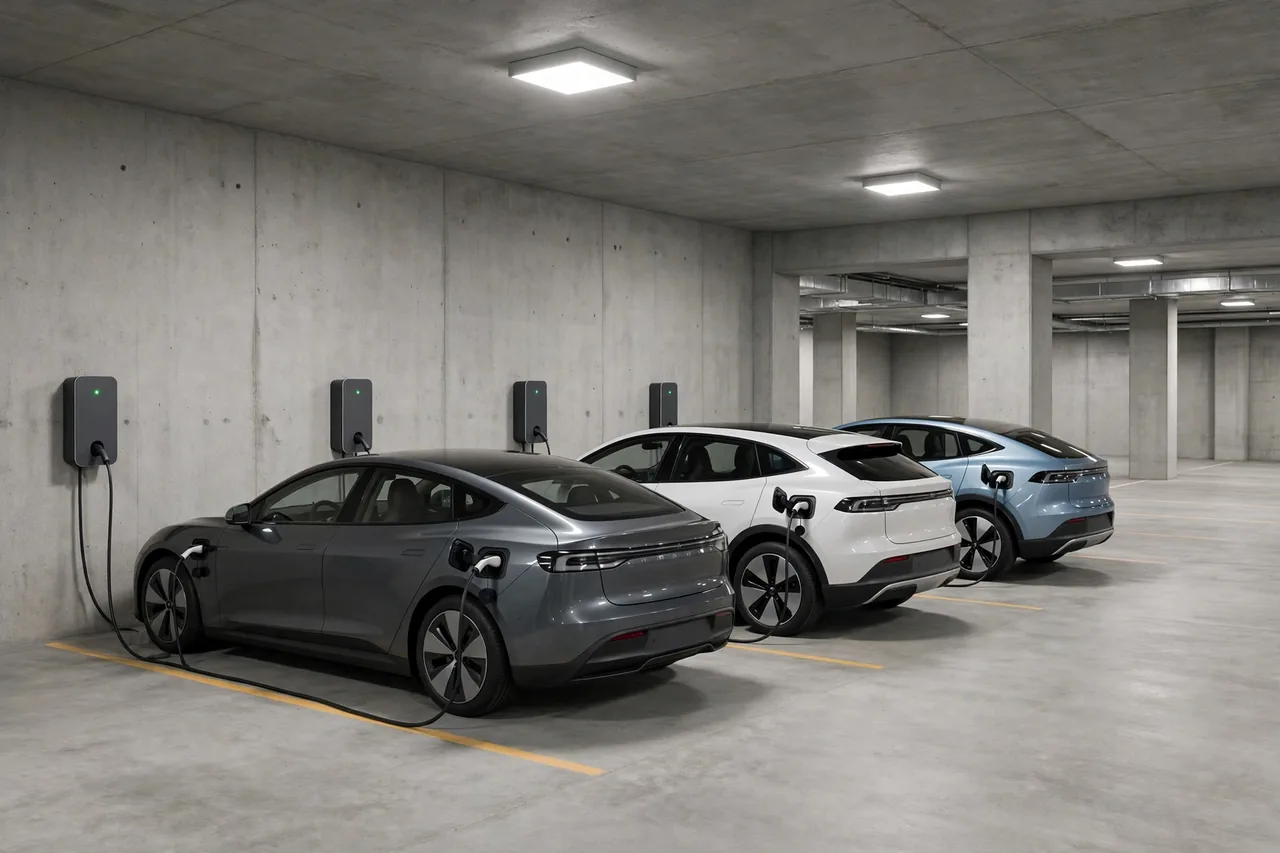 Atlanta, GA
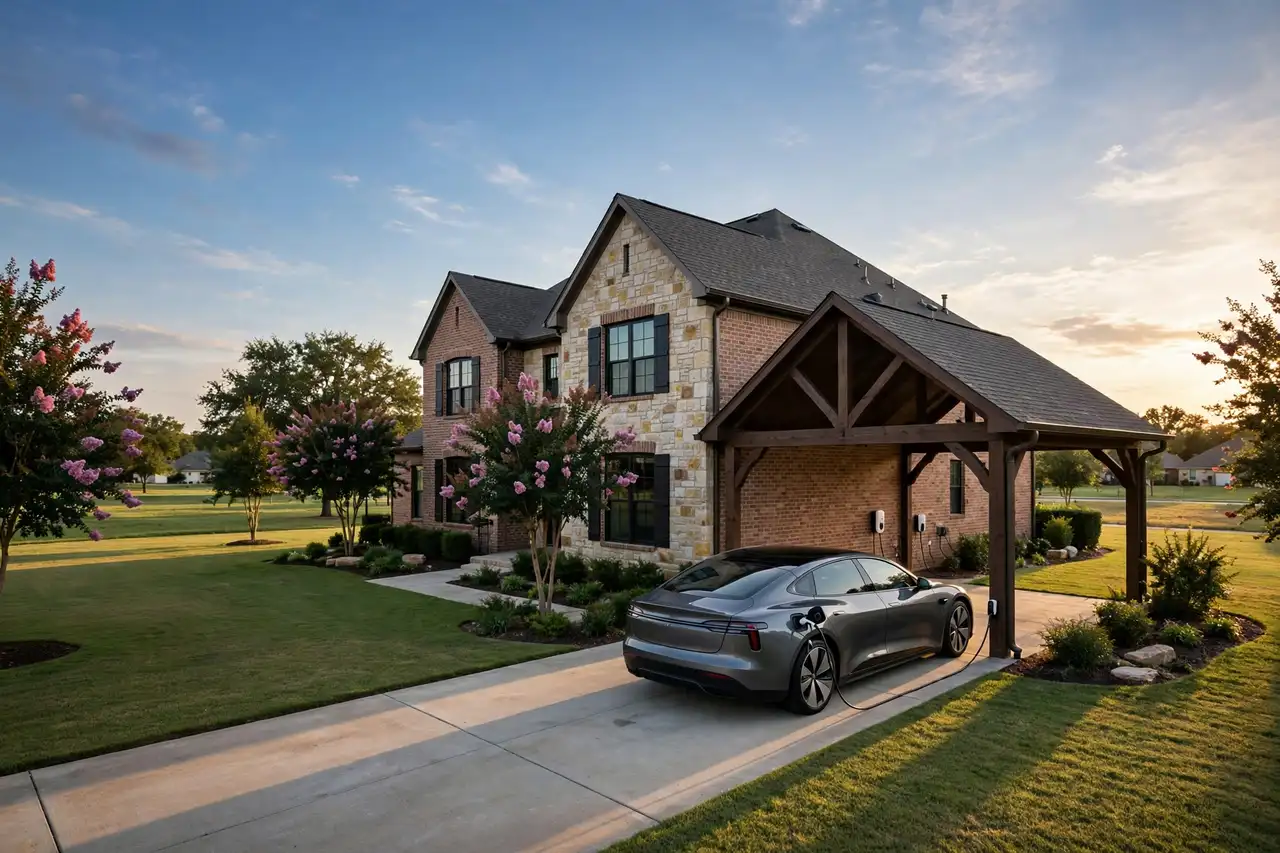 Dallas, TX
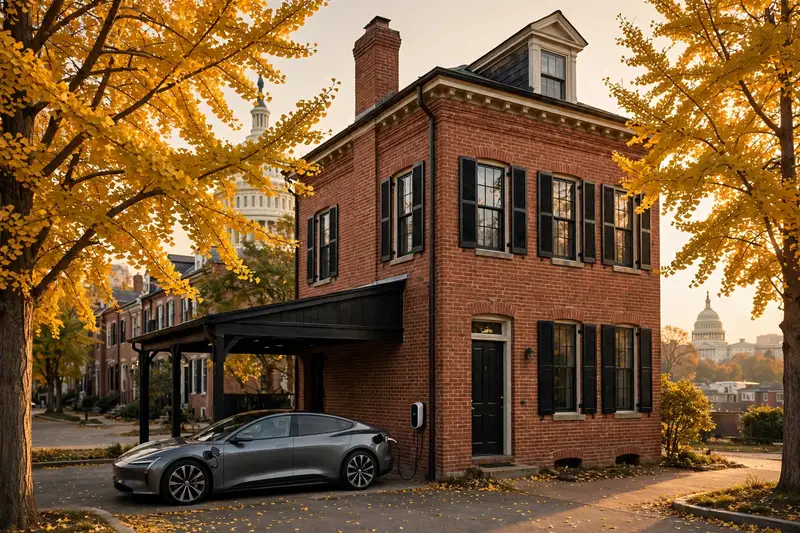 Washington, DC
 Sacramento, CA
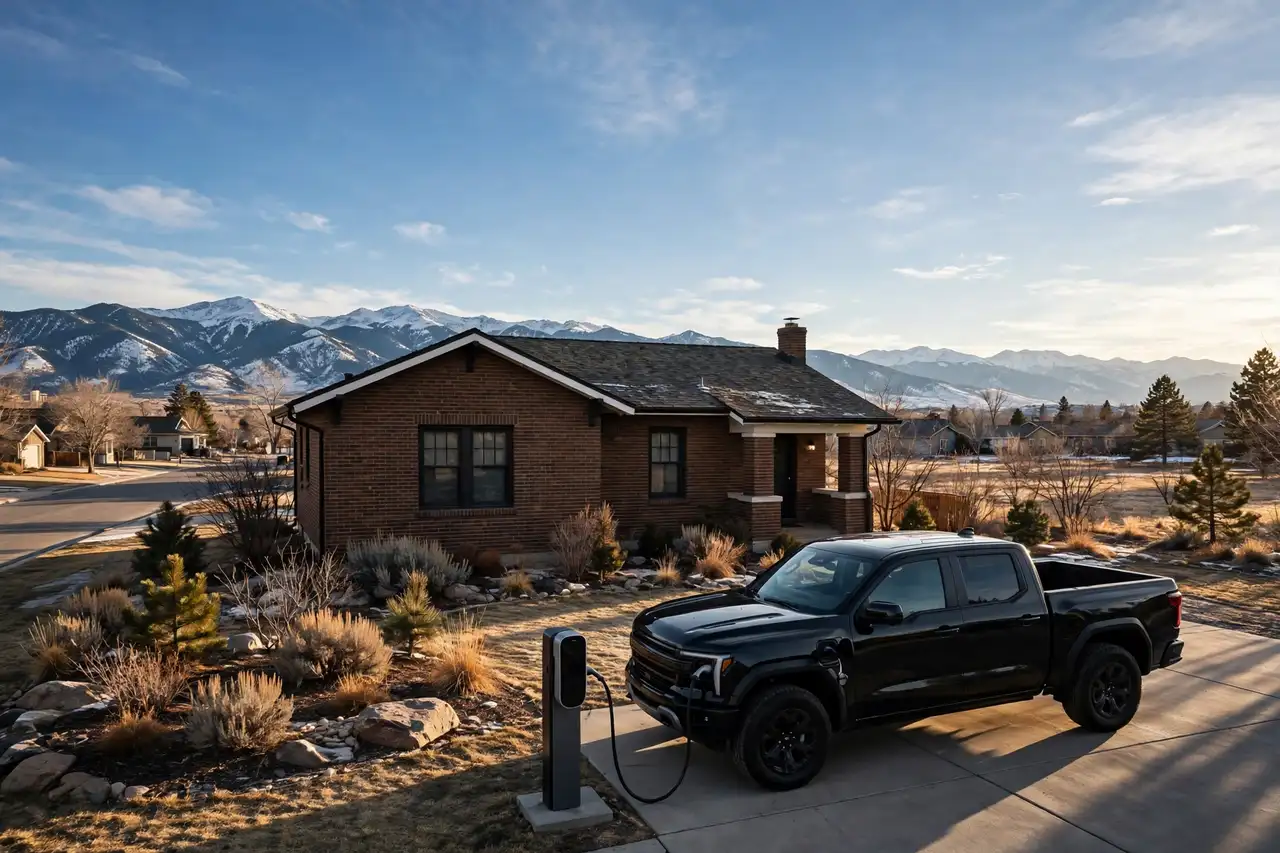 Denver, CO
 Portland, OR
 Houston, TX
 Riverside, CA
 Chicago, IL
 Boston, MA
 Austin, TX
 Las Vegas, NV
 Orlando, FL
 Detroit, MI
 Charlotte, NC
 Salt Lake City, UT
 Honolulu, HI
 Nashville, TN
 Tampa, FL
 Minneapolis, MN
 Raleigh, NC
 San Antonio, TX
 San Jose, CA
Every one of the 300 metro areas in the network has a local page with its utility, law and housing profile — start from your state and city index.
Frequently asked questions
What does a load management & smart charging setup job actually involve?
A load-management device watches the home's total demand and throttles charging to the spare capacity, which can remove the need for a larger service in homes that are only occasionally near their limit. It pairs naturally with time-of-use rates. The electrical side is always permitted work: a load calculation first, then the circuit and equipment, then inspection.
Who performs the work?
The work is done by licensed electricians and installer companies in your metro who take load management & smart charging setup jobs through the network. PlugReady USA matches and routes the request; the visiting installer is the contracting party, on the permit and on the paperwork.
Are there rebates for this work?
Sometimes — for load management & smart charging setup, the live money layer is utility and state programs, listed city by city on our local pages with sources and as-of dates. The federal 30C charger credit ended on September 30, 2025, and we never present it as available.
Do I need a permit?
Yes — the circuit, not the wall unit, is what gets permitted and inspected. Treat the permit line as the quote's certificate of seriousness: present, the job is the real one; missing, ask what else is missing. For load management & smart charging setup the filing names the circuit and the station it feeds.
Can this be combined with other electrical work?
Usually yes, and often sensibly: panel capacity, charger circuits and EV-ready rough-in are planned together with load management & smart charging setup in one load calculation and one permit set.
How do I start?
Start with your city page: check the utility and law facts for load management & smart charging setup there, then request an installer from that page so the request arrives with local context attached.
Will load management slow my charging down noticeably?
Only at the moments the house is genuinely busy — typically the early-evening overlap of cooking, laundry and climate loads — and only for as long as they overlap. Overnight, when charging mostly happens, the house idles and the charger runs at or near its full configured rate. For the common household pattern the delivered overnight energy is effectively the unmanaged figure; what changes is that the peak-hour collision is handled by a throttle instead of a tripped breaker.
Can load management be added to a charger that is already installed?
Usually, yes — the management layer is added at the panel: monitoring at the service, a controller the existing charger answers to, or a managed replacement where the installed unit cannot take instruction. The work is permitted like any panel work, and the commissioning test — loading the house and watching the charger yield — is the same. The exception is equipment too old to be controlled, where the honest answer is that replacement is the management strategy.
Related services
Home EV Charger Installation
A dedicated 240-volt charging station installed where you park — assessed, permitted and inspected, sized to your vehicle and your panel.
Level 2 Charger Installation
The 240-volt upgrade that takes charging from an overnight trickle to a full battery by morning.
Dedicated Circuit & Electrical Panel Upgrade
When the panel cannot carry a charger on top of everything else, the circuit or the service itself has to grow first.
Book load management & smart charging setup locally
Your city's page carries the utility, law and housing facts for this service — or send the request now.