EV Charger Installation in Dothan, AL
Home Level 2 charging, panel upgrades and condo installs in Dothan — matched to licensed local installers, with the local facts that shape the job set out below.
A decade of EV adoption has quietly sorted Dothan's streets into two kinds: the ones where charging already happens behind garage doors, and the ones where the first charger on the block is about to arrive. Either way, the questions are identical and local. Dothan itself is home to about 72,735 people. Across Alabama, 24,400 battery-electric vehicles and 8,300 plug-in hybrids were registered through 2025. Which utility serves the address and what it currently offers, what the panel can honestly carry, what an association may and may not refuse, what the permit office expects — this page answers each for Dothan, from sources, with the dates attached.
A note on what PlugReady USA is and is not: we publish the local research and run the matching; the installation itself belongs to licensed electricians and installer companies working in Dothan. Everything below is written so you can hold your own in that conversation — numbers first, sales language nowhere.
The registration ledger for the Dothan metro reads: Wiregrass anchor. Ledgers like this are what installer rounds are built from — they show where the cars already are, which is where the circuits get requested, permitted and inspected week after week.
Survey context for Dothan, in the three lines installers actually use: median household income $55,846; owner-occupation at 59%; single-unit detached homes at 71%. Income tracks adoption pace, tenure decides whose signature a job needs, and structure decides whether the answer is a garage circuit or a building negotiation.

The composite picture matters more than any single statistic. In Dothan: a housing stock of mixed vintages, where both electrical eras appear on the same street; overwhelmingly a detached-house city, so most installs are the simple garage pattern; buildings of five or more units are a visible minority of the stock; meanwhile, owners hold a working majority, with renters a significant minority. A page that ignored that profile would give the same advice everywhere; this one is ordered by it.
In absolute terms, the survey counts 34,695 housing units in Dothan — 30,728 occupied, 18,090 of them by their owners. The stock resolves into 24,717 single-unit detached houses, 15,138 homes standing since before 1980, and 4,761 units in larger buildings. Those six counts are the city's charging map drawn without percentages, and every section of this page is a consequence of one of them. The page's geography is equally concrete: 5 ZIP codes across Houston, centred near 31.15 degrees north latitude. The city anchors the Dothan metropolitan area, home to roughly 155,000 people on the research file's metro estimate — the wider labour and housing market this page's installers work across.
The same survey release fills in the household economics around the housing stock: a median home value of $194,000, median gross rent of $960, per-capita income of $35,321, and a median resident age of 40. And the daily rhythms behind the housing numbers: 84% of Dothan workers drive to work alone — the commute pattern home charging is built around; 5% work from home, a population whose cars charge on daytime and overnight schedules alike; 0% commute by public transit; 28% of adults hold a bachelor's degree or higher. The survey's vehicle table is the one an EV page should quote first: 2,916 of Dothan's households have no vehicle at all, while 16,265 have two or more — the multi-car households for whom the second circuit is a when, not an if.
Household structure, from the same release: 61% of Dothan households are family households. The burden shares behind the housing stock: 47% of renting households are cost-burdened at the 30%-of-income line, as are 0% of mortgaged owners — context for why the overnight rate window, once set, is treated here as a household fixture rather than a hobby.
None of these facts is trivia; each one moves a real decision in the project. Mixed-age stock means mixed answers: the same street can hold a 100-amp fuse-era service and a 200-amp panel with spare ways, so city-level generalisations dissolve at the level of the individual driveway. Detached stock also spreads the work out: longer driveways, detached garages at the lot's far corner, panel-to-parking distances that make the route, not the circuit, the engineering.
The balance of tenure keeps both crafts alive locally: firms that run domestic circuits all week, and firms whose week is landlord letters and board packs — with the good ones fluent in both. Budget discipline shapes the specification — the circuit sized exactly, the management device considered wherever it defers a service upgrade, every scope line asked to justify itself. Filed tariffs and public dockets give this territory a paper trail most markets lack: the diligent household can read the utility's own electrification plan and know which programmes are funded, piloted or merely proposed.
The state fleet is young, and Dothan's charging story is being written by its first draft of households — the ones whose installs will be the precedents boards and neighbours cite for a decade. At this scale the page's role sharpens — in a market without a crowd of specialists to interview, the household's own preparation carries more of the project's quality. Without a state charging statute, shared-property approvals in this metro are won on paper quality: metering clarity, licensed installers, insurance, reversibility — the complete package the guides set out.
The electrical reality in Dothan homes
The Census Bureau's latest American Community Survey puts the median Dothan home's build year at 1985: about 44% of the city's housing units were built before 1980, 71% are single-unit detached houses, and 59% of occupied homes are owner-occupied. Those three numbers predict most of what an installer will find. The metro's building booms left two electrical eras side by side. Post-1990s subdivisions were wired for modern loads and usually take a charger circuit directly; the established in-town stock asks harder questions of its panels. Knowing which era your street belongs to tells you most of what your site visit will conclude. Attics, basements and interior panel locations are common in this vintage of stock, which is why the run's route gets its own line in any serious quote: distance and finish decide labour more than the charger does.
Heating fuel is the survey's quiet clue to panel life: in Dothan, 91% of homes heat electrically (26,672 households), against 8% heating with gas. A house already heating electrically has a service sized with that load in its history; a gas-heated house may have capacity to spare — either way the fuel mix is part of what the installer is reading.
The tenure split cuts the other way too: roughly 12,638 occupied homes in Dothan are rented. For those households the charger question is a negotiation with a property owner — written proposal, licensed installer, metering clarity — and it succeeds often enough that installers here keep the pattern ready.
And 14% of Dothan's homes are in buildings with five or more units — apartments and condominiums where charging is a building decision before it is an electrical one. If that is your situation, the law and multifamily sections of this page are the ones written for you.
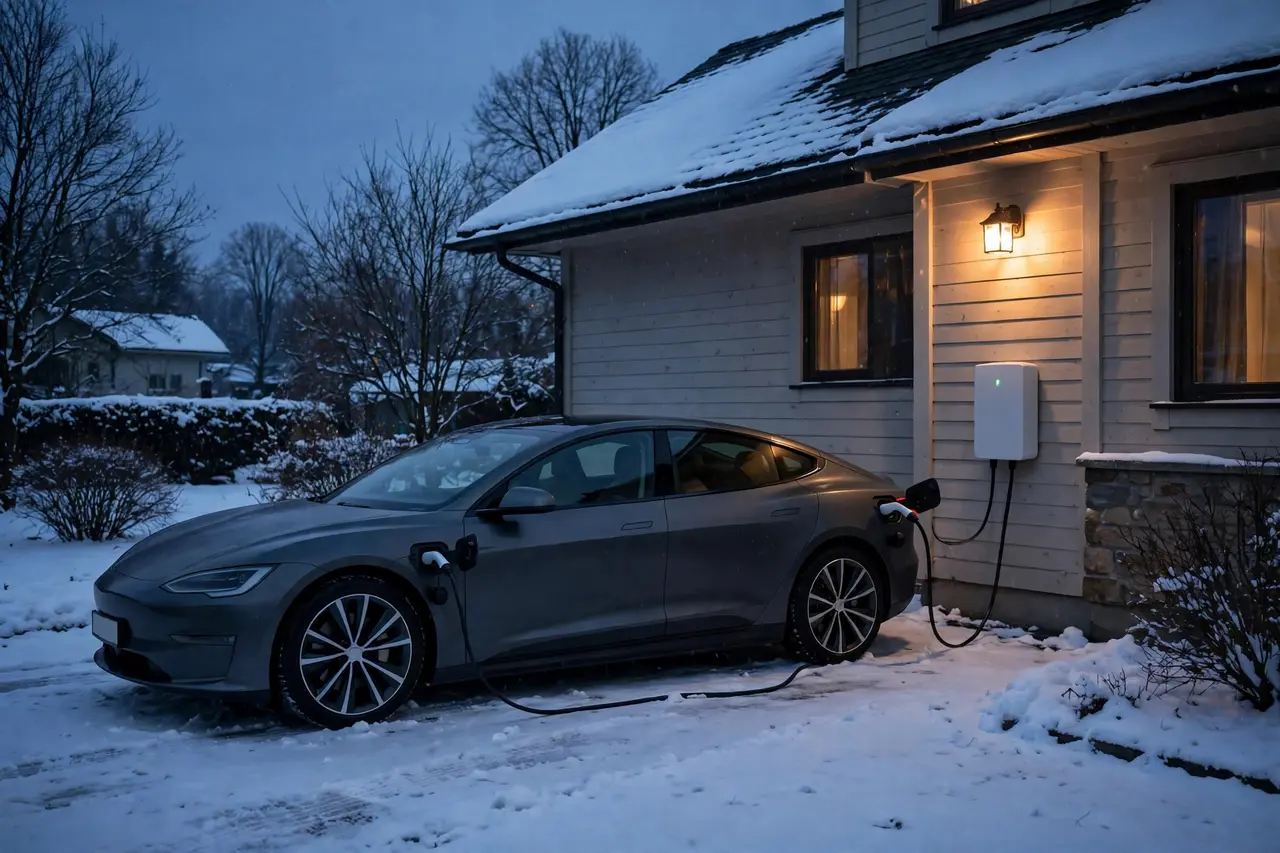
EV charging services in Dothan
Ten services cover the work installers do in Dothan. Three lead the list here because of what this city's housing and law actually look like — each links to its national service page, where scope and process are set out in full.
Home EV Charger Installation in Dothan
The standard first install: a dedicated circuit from the panel to the parking space, a station mounted and configured to that circuit, and a passed inspection to close it out. What changes from house to house is never the recipe — it is the panel's spare capacity, the length of the run, and how the car actually parks.
In Dothan: the install Dothan's new EV households book first, and the one the rest of this page keeps returning to.
Dedicated Circuit & Electrical Panel Upgrade in Dothan
Some homes meet the charger at the panel door: the service is already spoken for by cooking, heating and hot water. This service is the honest fix — capacity added properly, grounding brought current, and a panel schedule that finally matches the house it feeds.
In Dothan: service work that turns 'no room' into a circuit with headroom in Dothan homes.
Level 2 Charger Installation in Dothan
Level 2's numbers explain its dominance: several times the overnight recovery of a wall outlet, on equipment sized to the circuit by a factor the code fixes. The install is a circuit project with a station at the end of it, and it is quoted that way by anyone who does it weekly.
In Dothan: the circuit class behind nearly every home install in Dothan, from first car to second.
Utility programs and electricity in Dothan
Electricity in Dothan comes from Alabama Power Co. Parts of the wider metro are served by City of Dothan, Wiregrass Electric Coop, Inc. The utility matters twice over for a charger install: it sets the time-of-use rates that decide what overnight charging costs you, and it is the organisation that may — or may not — currently help pay for the equipment.
No verified residential charger rebate was in place for Alabama Power Co in the sources checked for this page (the federal Alternative Fuel Refueling Property Credit ended on September 30, 2025, and no Alabama state program replaced it for typical home installs). That can change — utilities open and close funded rounds — so an installer quoting you today should be able to name any current program precisely, with its published terms. If they cannot name it, it is not part of your job.
One more utility habit worth copying from Dothan's EV owners: charge on the overnight rate window if your plan has one. The charger itself can usually be scheduled from the car or the station, so the habit costs nothing once it is set.
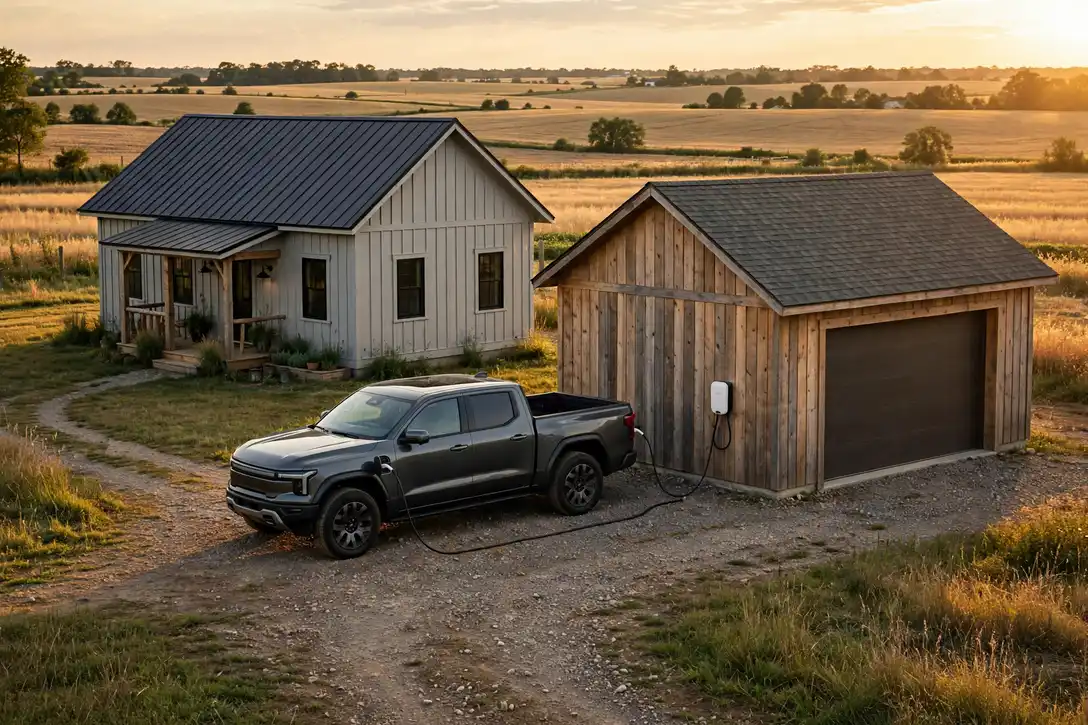
Condos, HOAs and the law in Alabama
No statute promises a charger approval in Alabama. Unlike the states that have enacted right-to-charge laws, Alabama leaves the question entirely to each community's covenants and board discretion. For Dothan owners that is not the end of the road — it is a sign that the negotiation, the metering design and the written application carry the weight a statute would otherwise carry.
No law does not mean no path. Boards approve chargers every week when the proposal answers their real concerns in advance: a licensed installer, a dedicated circuit that touches nothing shared, metering that keeps the electricity cost on the owner, insurance, and a commitment to restore the space on removal. Bring that package, in writing, before the meeting — not during it.
Our condo and HOA guide was written for both kinds of state; the chapters on application packages, metering and cost allocation are the ones that matter in Dothan, where no statute does the persuading for you.
Climate, garages and charger placement
Parking orientation is a thermal decision in this metro: a car that bakes in western sun all afternoon starts its session hot, and both the car and the station manage heat before they manage charging. The overnight schedule is partly a shade strategy executed by clock.
Shade structures — carports, pergolas, the live-oak side of the lot — are charging infrastructure in a hot climate whether they were built as such or not. A car that starts the session twenty degrees cooler spends its first charging hour on energy rather than on cooling itself.
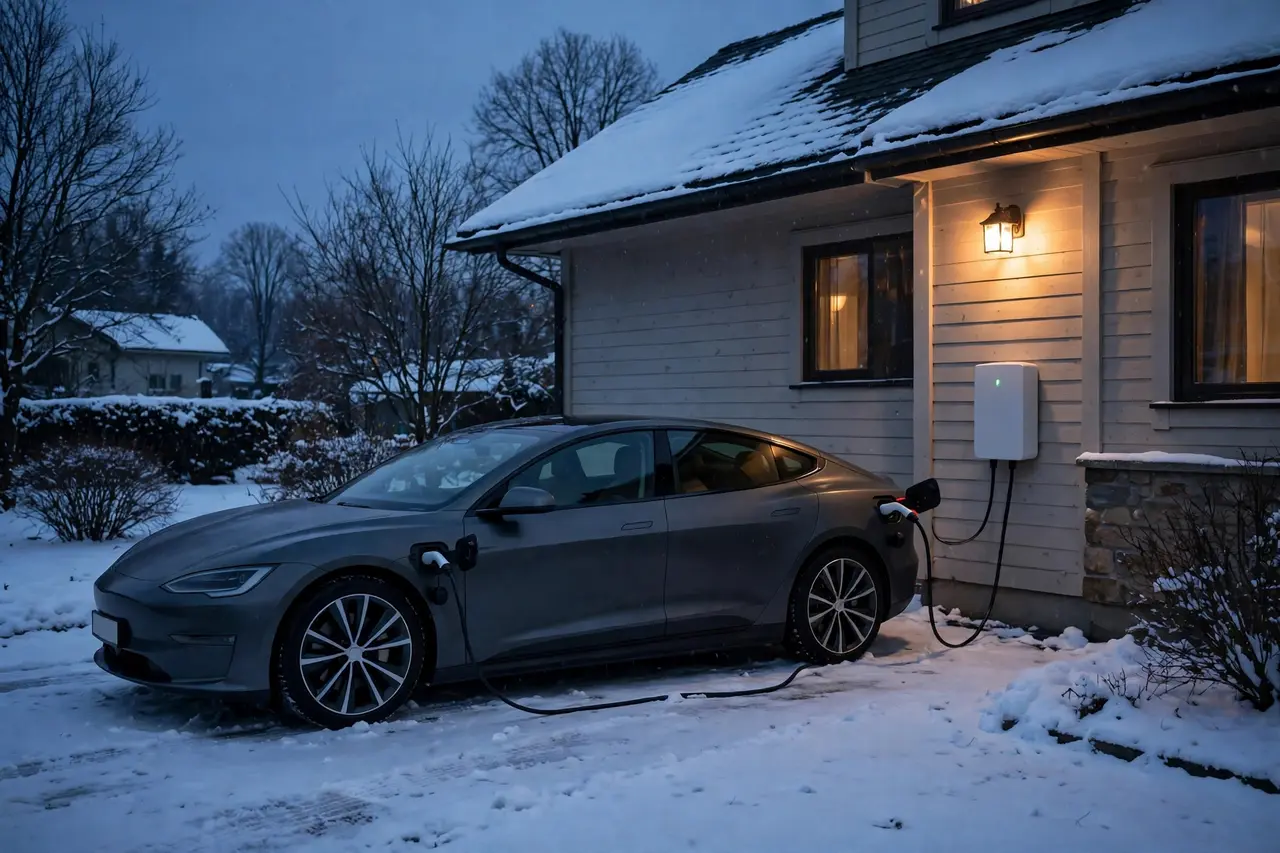
Permits and inspection in Dothan
What the inspector is checking, in plain terms: conductor size against breaker size, the continuous-load calculation, terminations torqued, protection where the code wants it, and a station whose settings match the circuit it landed on. It is a short visit that validates everything you cannot see.

Neighbourhoods and ZIP codes served
The page covers 5 ZIP codes in and around Dothan — including 36301, 36302, 36303, 36304, 36305 — across Houston. If your ZIP is not in the first set shown, ask anyway: installer coverage follows the metro, not a postcode fence.
The same working area takes in the neighbouring localities of Cowarts, Ashford, Cottonwood, Webb, Pansey, Gordon, Columbia — the county ring an installer based in Dothan actually drives. Requests from those communities route exactly as city requests do: same services, same permit discipline, same local facts where they differ.
Houston County accounts for 12 of the ZIP codes and 8 named postal localities in the research file, the nearest of them Cowarts, Ashford, Cottonwood, Webb, Pansey. The survey counts 108,140 residents in the county, with a median household income of $58,626 and a median home value of $183,300. Measured across its ZIP codes, the Dothan footprint runs about 8 miles north to south and 7 east to west, from ZIP 36301 to 36305 — the ground an installer based here actually covers in a working week.
Beyond the county seats, the working area takes in Cowarts, Ashford, Cottonwood, Webb, Malvern, Pansey, Slocomb, Campbellton, Midland City, Pinckard, Gordon, Headland, Graceville, Malone, Noma, Newton, Columbia, Cedar Springs, Hartford, Jakin, Newville, Bascom, Daleville, Black, Bellwood, Fort Rucker, Cottondale, Greenwood, Chancellor, Ozark, Marianna, Bonifay, Donalsonville, Shorterville, Blakely, Enterprise, Geneva, Abbeville, Coffee Springs, Skipperville, Chipley, Iron City, Cypress, Clopton, New Brockton, Alford, Ariton, Westville, Colquitt, Grand Ridge, Brinson, Fort Gaines, Sneads, Bluffton, Caryville, Clio, Elba, Jack — the named localities for which Dothan is the nearest metro in the network (neighbouring metros' pages cover their own ground), each routing to the same installer-matching service.
The wider working area also reaches Wausau, Damascus, Samson, Arlington, Vernon, Kinston, Chattahoochee, Altha, Ponce De Leon, Coleman — ground shared with neighbouring metros, where installers cross the same county lines in both directions.
ZIP codes in that shared ground include 32324, 32421, 32455, 32462, 32463, 36453, 36477, 39813, 39836, 39841.
The largest communities in that working area after Dothan itself, by the GeoNames populated-place file: Enterprise (population 27,978), Ozark (population 14,719), Marianna (population 9,100), Daleville (population 5,141), Blakely (population 4,871), Headland (population 4,736), Fort Novosel (population 4,636), Geneva (population 4,460), Elba (population 3,903), Chipley (population 3,565), Bonifay (population 2,726), Donalsonville (population 2,675), Hartford (population 2,647), Abbeville (population 2,620), Taylor (population 2,402), Midland City (population 2,386), Graceville (population 2,222), Kinsey (population 2,197), Ashford (population 2,158), Malone (population 2,145). Charging demand follows those populations — the subdivisions and town centres where the next driveways, and the next panels, are.
Jackson County reaches into the working area with 53,053 residents, a median household income of $51,908 and a median home value of $159,500; its localities on this page include Campbellton, Graceville, Malone, Bascom, Cottondale. Dale County reaches into the working area with 49,599 residents, a median household income of $54,963 and a median home value of $143,500; its localities on this page include Midland City, Pinckard, Newton, Daleville, Fort Rucker. Geneva County reaches into the working area with 26,887 residents, a median household income of $52,771 and a median home value of $130,700; its localities on this page include Malvern, Slocomb, Hartford, Black, Bellwood. Coffee County reaches into the working area with 54,920 residents, a median household income of $68,353 and a median home value of $188,600; its localities on this page include Enterprise, New Brockton, Elba, Jack. Henry County reaches into the working area with 17,647 residents, a median household income of $59,931 and a median home value of $161,000; its localities on this page include Headland, Newville, Shorterville, Abbeville.
| ZIP | Locality | County |
|---|---|---|
| 36301 | Dothan | Houston |
| 36304 | Dothan | Houston |
| 36302 | Dothan | Houston |
| 36321 | Cowarts | Houston |
| 36312 | Ashford | Houston |
| 36320 | Cottonwood | Houston |
| 36305 | Dothan | Houston |
| 36303 | Dothan | Houston |
| 36376 | Webb | Houston |
| 36349 | Malvern | Geneva |
| 36370 | Pansey | Houston |
| 36375 | Slocomb | Geneva |
| 32426 | Campbellton | Jackson |
| 36350 | Midland City | Dale |
| 36371 | Pinckard | Dale |
| 36343 | Gordon | Houston |
| 36345 | Headland | Henry |
| 32440 | Graceville | Jackson |
| 32445 | Malone | Jackson |
| 32452 | Noma | Holmes |
| 36352 | Newton | Dale |
| 36319 | Columbia | Houston |
| 39832 | Cedar Springs | Early |
| 36344 | Hartford | Geneva |
| 39861 | Jakin | Seminole |
| 36353 | Newville | Henry |
| 32423 | Bascom | Jackson |
| 36322 | Daleville | Dale |
| 36314 | Black | Geneva |
| 36313 | Bellwood | Geneva |
| 36362 | Fort Rucker | Dale |
| 32431 | Cottondale | Jackson |
| 32443 | Greenwood | Jackson |
| 36316 | Chancellor | Geneva |
| 36360 | Ozark | Dale |
| 32446 | Marianna | Jackson |
| 36361 | Ozark | Dale |
| 32425 | Bonifay | Holmes |
| 39845 | Donalsonville | Baker |
| 36373 | Shorterville | Henry |
| 32447 | Marianna | Jackson |
| 39823 | Blakely | Clay |
| 36330 | Enterprise | Coffee |
| 36340 | Geneva | Geneva |
| 36310 | Abbeville | Henry |
| 36318 | Coffee Springs | Geneva |
| 36374 | Skipperville | Dale |
| 36331 | Enterprise | Coffee |
| 32428 | Chipley | Washington |
| 39859 | Iron City | Seminole |
| 32448 | Marianna | Jackson |
| 32432 | Cypress | Jackson |
| 36317 | Clopton | Dale |
| 36351 | New Brockton | Coffee |
| 32420 | Alford | Jackson |
| 36311 | Ariton | Dale |
| 32464 | Westville | Holmes |
| 39837 | Colquitt | Baker |
| 32442 | Grand Ridge | Jackson |
| 39825 | Brinson | Seminole |
| 39851 | Fort Gaines | Clay |
| 32460 | Sneads | Jackson |
| 39824 | Bluffton | Clay |
| 32427 | Caryville | Washington |
| 36017 | Clio | Barbour |
| 36323 | Elba | Coffee |
| 36346 | Jack | Coffee |

Planning the install: from panel to parking
A useful way to read any Dothan quote is to ask which of three jobs it describes. Job one: the panel has room and the run is short — a circuit and a station. Job two: the panel is full — capacity work joins the quote, as an upgrade or as load management. Job three: the property adds people — an HOA, a landlord, a building's shared service — and the approvals timeline joins the electrical one. None of the three is a bad job; they are simply different scopes, and a clear quote says which one you are in.
One more piece of sequencing advice Dothan installers give consistently: if the panel is being opened anyway, settle the other electrical maybes in the same visit — the circuit you will want next year costs least while the permit and the electrician are already in the house.
Home charging know-how for Dothan households
The driveway is shared infrastructure
In households where the charger serves a shared driveway, the install acquires a social protocol alongside its electrical one: whose night, which side, how the cable crosses, what happens when guests park across the route. The designs that work settle the protocol physically — a station reachable from both bays, a cable path that crosses no one's door swing — rather than relying on nightly negotiation. Infrastructure that requires diplomacy every evening was under-designed in the morning.
Shutoffs and sensible safety
Every charger installation contains its own off switch: the breaker in the panel, and, on larger circuits, a disconnect within sight of the equipment that the code requires. Knowing where both are — and that the station itself stops the session when the connector is unlatched — is the whole safety briefing, and a good installer gives it unprompted at handover. The equipment is listed, protected and designed to be operated daily by non-electricians; the homeowner's part is simply to know the two switches and to treat any change in behaviour — heat, noise, repeated trips — as a reason to call rather than to reset.
Homework that sharpens the site visit
You can cut a site visit's uncertainty in half with a phone camera. Photograph the panel — door open, directory card legible, the rating label in frame — plus the wall where the station would go and the car's parking position with the port side visible. Send them with the request. The installer arrives already knowing the panel's make and spare spaces, the run's likely route, and which questions remain live ones. Quotes get firmer, visits get shorter, and nobody discovers the decisive fact at the door.
A word about the word 'charger'
Strictly speaking, the charger lives in the car: the onboard unit that converts alternating current from the wall into the direct current the battery stores. The box on your wall is supply equipment — it negotiates, switches and protects, but the conversion happens in the vehicle. The distinction explains two practical things: why the car's acceptance rate caps every circuit conversation, and why the same wall equipment serves different cars at different speeds. Installers use 'charger' for the wall box anyway, as does this page — but the mental model is worth owning.

Frequently asked questions
Can I still get the federal tax credit for a home charger in Dothan, AL?
Checked and dated: in the sources reviewed for this page, Alabama Power Co runs no residential charger rebate, Alabama runs no home-charger programme, and the federal credit that once filled the gap ended on September 30, 2025. If a salesperson's spreadsheet shows a rebate line for a Dothan install, the published programme page is the only acceptable evidence.
Can my association in Dothan, AL say no to a home charger?
Possibly, yes. Alabama has no statewide right-to-charge law in the authoritative indexes checked for this page, so your community's covenants govern. A complete written application — licensed installer, dedicated circuit, owner-paid metering and insurance — is the approach that gets approvals here.
Panel upgrade or not — how do Dothan, AL homeowners find out?
It depends on the panel, and Dothan's housing makes the question common: the median home here was built in 1985, and about 44% of housing units predate 1980. Homes with 100-amp service that is already well used often need an upgrade or a load-management device; homes with 200-amp service and spare breaker space usually do not. A load calculation during the site visit settles it — ask to see it.
How quickly will a Level 2 charger fill my car in Dothan, AL?
Think of it in parked hours. Level 1 gives you back 3–5 miles for each of them; Level 2 gives back about 25–40, set by the circuit's amperage and what the car can accept. Overnight, that is the gap between 'enough for tomorrow' and 'full, every morning'.
What happens after I request an installer through this page?
Three steps: the request routes to installers who work Dothan, Alabama; one contacts you to walk the property; the walk produces the written quote. Everything on this page — the utility position, the law, the housing data — is yours to check that quote against.
Can a charger be added to a detached garage in Dothan?
Yes — the charger itself is the same; the route to it is the project. From the house panel, a buried conduit run reaches the garage, or a subpanel goes in out there where distance and future loads argue for it. In Dothan, with about 71% of homes detached, local installers quote this shape routinely — the trench and the run, settled from a site walk, are the substance of it.
Nearby cities in Alabama
- EV charger installation in Montgomery — about 97 miles from Dothan, metro population 375,000
- EV charger installation in Auburn — about 97 miles from Dothan, metro population 185,000
- EV charger installation in Mobile — about 151 miles from Dothan, metro population 425,000
- EV charger installation in Anniston — about 175 miles from Dothan, metro population 115,000
- EV charger installation in Birmingham — about 182 miles from Dothan, metro population 1,150,000
- EV charger installation in Tuscaloosa — about 186 miles from Dothan, metro population 250,000
- EV charger installation in Panama City, FL — about 70 miles from Dothan, metro population 195,000
- EV charger installation in Crestview, FL — about 72 miles from Dothan, metro population 290,000
- EV charger installation in Albany, GA — about 73 miles from Dothan, metro population 145,000
Ready to charge at home in Dothan?
Send the essentials — what you need, where, and what kind of property — and a licensed local installer will pick it up from there.